Working the night shift demands a complete rethink of your eating habits. Your body’s circadian rhythm affects everything from digestion to metabolism, making traditional meal timing inadequate for overnight workers.

🌙 Understanding Your Night Shift Metabolism
Your body wasn’t designed to eat pepperoni pizza at 3 AM while fighting to stay awake under fluorescent lights. When you work nights, your circadian clock—that internal timekeeper regulating sleep, hunger, and digestion—gets thrown into chaos. This biological confusion doesn’t just make you tired; it fundamentally changes how your body processes food.
Research shows that night shift workers face a 23% higher risk of becoming overweight compared to day workers. This isn’t about willpower or laziness. Your digestive system naturally slows down at night, producing fewer digestive enzymes and stomach acid when it expects to be sleeping. Meanwhile, hormones like ghrelin (which increases hunger) and leptin (which signals fullness) operate on schedules designed for daytime eating.
The result? You’re fighting an uphill battle every time you eat during your shift. Your pancreas releases less insulin at night, making blood sugar regulation harder. Your liver processes nutrients differently. Even your gut bacteria—yes, those microscopic helpers in your digestive system—follow a day-night pattern that gets disrupted by overnight eating.
Strategic Eating Windows: Timing Is Everything
Forget everything you know about breakfast, lunch, and dinner. Those concepts don’t serve you anymore. Instead, think about creating eating windows that align with your work schedule while minimizing disruption to your body clock.
The Pre-Shift Preparation Meal
Eat your main meal 2-3 hours before your shift starts. This timing allows proper digestion before you begin work and provides sustained energy throughout the early shift hours. Think of this as your “dinner”—even if it’s happening at 4 PM. This meal should be substantial, containing complex carbohydrates, lean proteins, and healthy fats.
Good pre-shift meals include grilled chicken with quinoa and roasted vegetables, salmon with sweet potato and broccoli, or turkey chili with brown rice. These combinations provide lasting energy without causing digestive distress or energy crashes mid-shift.
Smart Mid-Shift Snacking
During your shift, aim for small, strategic snacks rather than full meals. Your digestive system is running at reduced capacity, so smaller portions work better. Space snacks 3-4 hours apart and keep them light—around 200-300 calories each.
The worst thing you can do is skip eating entirely during a 12-hour night shift. Your blood sugar will plummet, affecting concentration, mood, and decision-making. However, overeating is equally problematic, redirecting blood flow to your digestive system when you need it for your brain and muscles.
The Post-Shift Wind-Down Strategy
This is where most night shift workers sabotage their sleep. You’re hungry after work, everything looks appealing, and you make poor choices that keep you awake for hours. Your post-shift meal should be light and sleep-promoting, consumed at least 2 hours before bed.
Avoid the temptation to have a full “breakfast” just because the sun is rising. Your body needs to wind down for sleep, not fire up digestion. A small portion of foods containing tryptophan—like turkey, bananas, or warm milk—can actually promote better sleep.
🥗 Foods That Work With Your Night Shift Body
Not all calories are equal when you’re working nights. Some foods support your disrupted circadian rhythm; others fight against it. Understanding which foods fall into each category transforms your energy levels and overall health.
Complex Carbohydrates: Your Steady Energy Source
Complex carbs release glucose slowly, preventing the energy spikes and crashes that plague night shift workers. Brown rice, quinoa, oats, whole wheat pasta, and sweet potatoes should become your staples. These foods provide sustained fuel without triggering the insulin rollercoaster that leaves you exhausted.
White bread, sugary cereals, and regular pasta cause rapid blood sugar spikes followed by crashes—exactly what you can’t afford at 2 AM when you need steady focus. The temporary energy boost isn’t worth the subsequent mental fog and fatigue.
Lean Proteins: The Alertness Maintainers
Protein promotes alertness by supporting dopamine and norepinephrine production—neurotransmitters that keep you focused and awake. Chicken breast, turkey, fish, eggs, Greek yogurt, and legumes are excellent choices that won’t overburden your digestive system.
Avoid heavy, fatty meats during your shift. That bacon cheeseburger requires significant digestive effort, pulling blood away from your brain when you need mental sharpness. Save heavier proteins for your pre-shift meal when your digestive system is functioning optimally.
Healthy Fats: The Satiety Solution
Healthy fats keep you feeling full longer, preventing the constant snacking that leads to weight gain. Avocados, nuts, seeds, olive oil, and fatty fish like salmon provide essential nutrients while stabilizing energy levels. However, timing and portion control matter significantly with fats.
Consume most of your healthy fats during your pre-shift meal. During your shift, limit fat intake to small amounts—a handful of almonds or some avocado slices. Large amounts of fat during nighttime hours can cause digestive discomfort and excessive sleepiness.
☕ The Caffeine Calculation: Getting It Right
Caffeine is both your best friend and potential enemy on night shift. Strategic caffeine use enhances alertness and performance. Poorly timed caffeine ruins your post-shift sleep, creating a vicious cycle of fatigue.
The key is understanding caffeine’s half-life—about 5-6 hours. If you drink coffee at 5 AM and go to bed at 9 AM, half that caffeine is still circulating in your system. No wonder you can’t sleep properly.
Implement a caffeine curfew 4-6 hours before your intended sleep time. For most night shift workers, this means stopping caffeine intake around the halfway point of your shift. Front-load your caffeine consumption—have your coffee when you first arrive at work when you need that initial alertness boost.
Consider moderate doses throughout the early shift rather than one massive energy drink. Smaller, spaced doses (around 100mg each) maintain steady alertness without overstimulation. That’s roughly one cup of coffee or a small energy drink.
💧 Hydration: The Overlooked Performance Factor
Dehydration mimics fatigue symptoms—decreased alertness, poor concentration, headaches, and mood changes. On night shift, when you’re already fighting natural sleepiness, dehydration becomes a serious performance issue.
Aim for 8-12 ounces of water every hour during your shift. Keep a reusable water bottle visible at your workstation as a constant reminder. Many night shift workers mistake thirst for hunger, eating snacks when their body actually needs hydration.
Avoid excessive fluid intake in the final 2 hours of your shift and the hour before bed. While hydration is important, you don’t want full bladder wake-ups disrupting your already-challenged sleep.
Limit sugary drinks, which cause energy crashes and contribute to weight gain. Diet sodas and artificial sweeteners can disrupt gut bacteria and potentially affect metabolism—particularly problematic when your system is already stressed by shift work.
🍱 Meal Prep: Your Night Shift Survival Strategy
Preparation determines success for night shift eating. When you’re exhausted at 2 AM, you’ll grab whatever’s convenient—usually vending machine junk or fast food. Meal prep removes this temptation by making healthy choices equally convenient.
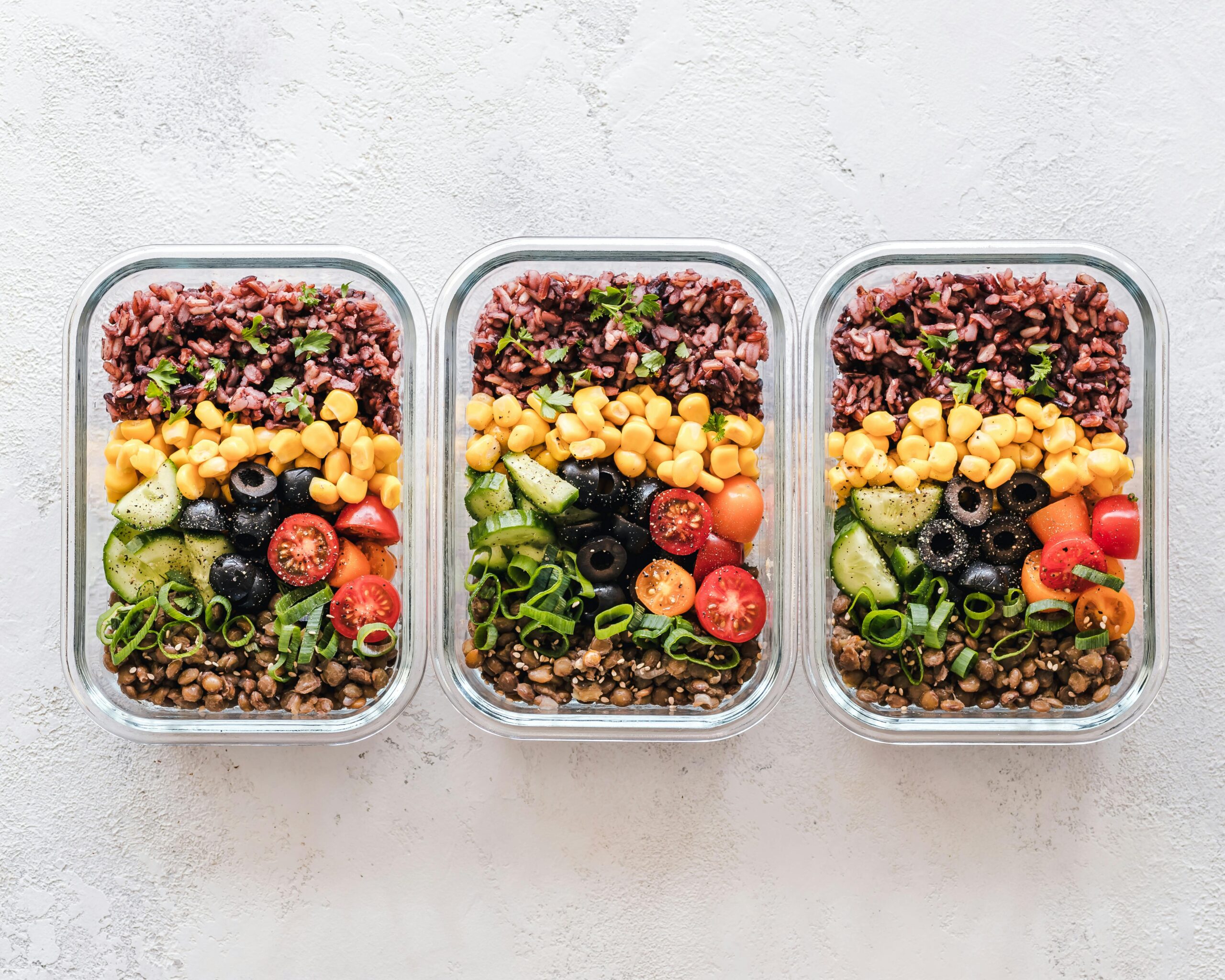
Dedicate 2-3 hours on your day off to preparing the week’s meals. Cook proteins in bulk, prepare grains, chop vegetables, and portion everything into containers. This investment saves money, protects your health, and eliminates decision fatigue when you’re too tired to think straight.
Packable Night Shift Meal Ideas
- Mediterranean Quinoa Bowl: Quinoa, grilled chicken, cucumbers, tomatoes, feta cheese, and olive oil dressing
- Asian-Inspired Stir-Fry: Brown rice, lean beef or tofu, mixed vegetables, and light teriyaki sauce
- Mexican-Style Burrito Bowl: Brown rice, black beans, grilled chicken, salsa, and avocado
- Greek Yogurt Parfait: Greek yogurt, berries, granola, and a drizzle of honey
- Turkey and Veggie Wrap: Whole wheat tortilla, turkey breast, hummus, and crunchy vegetables
Invest in quality food containers that seal properly and maintain food temperature. Nothing’s worse than soggy food or warm yogurt at 3 AM. Insulated lunch bags with ice packs keep perishables safe during your entire shift.
🚫 The Night Shift Food Traps to Avoid
Certain eating patterns seem helpful but actually sabotage your health and performance. Recognizing these traps helps you avoid common mistakes that plague night shift workers.
The “I’ll Eat When I Get Home” Trap
Arriving home starving after your shift leads to overeating right before bed. Your body can’t properly digest a large meal while trying to sleep, resulting in poor sleep quality, acid reflux, and weight gain. Always eat small amounts during your shift to prevent this scenario.
The Vending Machine Dependency
Vending machines offer convenience but rarely nutrition. Those chips, candy bars, and pastries cause blood sugar chaos, leaving you more tired than before. If vending machines are your only option, choose nuts, trail mix, or protein bars with at least 10g of protein and minimal added sugar.
The Social Eating Pressure
When coworkers order pizza or hit the drive-through, peer pressure is real. Having your prepared meals gives you an easy out. If you do participate occasionally, practice portion control—have one slice with a side salad rather than three slices and breadsticks.
The Weekend Warrior Switch
Completely flipping your eating schedule on days off confuses your body further. While you don’t need perfect consistency, maintaining some regularity helps. Try keeping at least one meal timing consistent throughout the week.
📊 Tracking Your Nutritional Success
Monitoring your eating patterns reveals what works for your unique body and schedule. Many night shift workers benefit from using food tracking apps that help identify problem patterns.
Track not just what you eat, but when you eat and how you feel afterward. Do certain foods make you sleepy mid-shift? Does eating too close to bedtime disrupt your sleep? This information is invaluable for optimizing your personal eating strategy.
Pay attention to your energy levels throughout your shift. If you experience a 2 AM energy crash every night, your eating timing or food choices need adjustment. If you can’t fall asleep after work, you’re likely eating too much or too late in your shift.
🧠 Supporting Sleep Through Strategic Nutrition
Your eating strategy should actively promote better sleep—your most precious commodity as a night shift worker. Certain nutrients and eating patterns directly affect sleep quality.
Foods rich in tryptophan, magnesium, and complex carbohydrates promote sleep. A small post-shift snack combining these elements—like whole grain toast with almond butter and banana slices—can improve sleep quality. These nutrients support melatonin production, helping your body transition to sleep despite the daylight.
Conversely, avoid spicy foods, heavy meals, and excessive liquids before bed. Spicy foods can cause acid reflux when lying down. Heavy meals require digestive effort that interferes with sleep. And too much liquid means bathroom trips that fragment your rest.
Consider magnesium supplementation if you struggle with sleep quality. Many people are deficient in this mineral, which plays a crucial role in sleep regulation. Consult your healthcare provider about appropriate dosing for your situation.
🔄 Building Sustainable Long-Term Habits
Night shift eating isn’t a temporary diet—it’s a sustainable lifestyle approach. Quick fixes and extreme restrictions fail because they’re incompatible with the demands of overnight work. Instead, focus on gradual changes that become automatic habits.
Start with one improvement at a time. Maybe this week you commit to bringing prepared snacks instead of hitting the vending machine. Next week, you implement a caffeine curfew. Small, consistent changes compound into significant health improvements over time.
Find accountability through a fellow shift worker. Share meals, swap healthy recipes, and support each other through challenging nights. Social support dramatically increases your chances of maintaining healthy habits long-term.
Be patient with yourself. Some nights will go perfectly; others you’ll succumb to the doughnut box in the break room. What matters is the overall pattern, not occasional deviations. Progress, not perfection, is the goal.
⚡ Maximizing Energy Without Compromising Sleep
The ultimate challenge for night shift workers is staying alert during work without sacrificing post-shift sleep quality. Your eating strategy is the linchpin that makes both possible.
Remember that food is information for your body. Every meal and snack sends signals about whether to ramp up energy or wind down for rest. Strategic eating aligns these signals with your shift work reality rather than fighting against your biology.
Your pre-shift meal signals “wake up and prepare for activity.” Your small mid-shift snacks say “maintain steady energy.” Your light post-shift meal communicates “wind down for sleep.” This nutritional messaging system works with your body’s natural rhythms even when your schedule doesn’t.
Prioritize consistency over perfection. A decent meal plan followed reliably beats a perfect plan attempted sporadically. Your body adapts to patterns, so establishing reliable eating windows helps stabilize your disrupted circadian rhythm as much as possible.
🎯 Creating Your Personal Night Shift Nutrition Protocol
Everyone’s body responds differently to shift work. Your perfect eating strategy depends on your specific shift timing, individual metabolism, sleep requirements, and health goals. Use these guidelines as a starting point, then customize based on your results.
Experiment with meal timing to find your sweet spot. Some workers do better with two moderate meals during their shift; others prefer three smaller ones. Track your energy and sleep quality to determine what serves you best.
Consider your personal health conditions. Diabetics need special attention to blood sugar management. Those with digestive issues may need different food choices or smaller portions. Anyone with existing health conditions should consult healthcare providers before implementing major dietary changes.
Your nutrition strategy should evolve as your circumstances change. New shift schedules, different job demands, and life changes all require adjustments. Stay flexible and willing to modify your approach when something stops working.
Working night shift presents unique challenges, but strategic eating transforms these challenges into manageable obstacles rather than insurmountable barriers. By respecting your body’s circadian biology while meeting the demands of overnight work, you can maintain energy, protect your health, and achieve quality sleep. Your eating strategy isn’t just about food—it’s about creating a sustainable lifestyle that supports both your career and your wellbeing for the long term.