Ever wondered why some nights you toss and turn for hours despite feeling exhausted? Your dinner plate might hold the answer.

Sleep disturbances affect millions of people worldwide, and while we often blame stress, caffeine, or screen time, there’s a culprit hiding in plain sight: the spicy curry you devoured at 8 PM or that tangy tomato sauce you enjoyed with pasta. The connection between diet and sleep quality is more profound than most people realize, and understanding how certain foods—particularly spicy and acidic ones—impact your rest can be transformative for your sleep hygiene.
The modern diet is filled with flavor enhancers, bold spices, and acidic ingredients that make our meals memorable. However, these same elements that tantalize our taste buds during the day can wreak havoc on our sleep cycles when consumed at the wrong times. From disrupting digestion to triggering acid reflux and raising core body temperature, spicy and acidic foods create a perfect storm of sleep-disrupting factors that many people never connect to their dietary choices.
🌶️ The Science Behind Spicy Foods and Sleep Disruption
Spicy foods contain compounds like capsaicin, the active ingredient in chili peppers that creates that burning sensation we either love or hate. While capsaicin has numerous health benefits during waking hours, it becomes problematic when consumed close to bedtime. This powerful compound affects your body’s thermoregulation—the process of maintaining optimal body temperature for sleep.
Research published in the International Journal of Psychophysiology found that participants who consumed spicy meals before bed experienced elevated core body temperatures throughout the night. This is significant because your body naturally needs to cool down by about one degree Celsius to initiate and maintain quality sleep. When capsaicin interferes with this cooling process, you’re fighting an uphill battle against your body’s natural sleep mechanisms.
Beyond temperature regulation, spicy foods stimulate your metabolism and digestive system. This metabolic activation is the opposite of what your body needs when preparing for rest. Your digestive system requires significant energy to process spicy foods, keeping your internal systems in an active state when they should be winding down for the night.
The Capsaicin Effect on Your Nervous System
Capsaicin doesn’t just affect your mouth—it triggers responses throughout your entire nervous system. When you consume spicy foods, your body releases endorphins and increases heart rate as part of its response to what it perceives as a threat. This physiological arousal state is incompatible with the relaxation needed for sleep onset.
Additionally, spicy foods can cause gastrointestinal discomfort, including stomach pain, indigestion, and in some cases, diarrhea. Lying down shortly after eating spicy meals exacerbates these issues, as gravity no longer helps keep stomach contents where they belong. This can lead to frequent awakenings throughout the night and fragmented sleep patterns.
🍋 Acidic Foods: The Silent Sleep Saboteurs
While spicy foods get much of the attention, acidic foods are equally problematic for sleep quality. Citrus fruits, tomatoes, vinegar-based dressings, and even certain beverages can significantly impact your ability to fall and stay asleep. The primary mechanism behind this disruption is acid reflux, also known as gastroesophageal reflux disease (GERD) when chronic.
Acidic foods relax the lower esophageal sphincter (LES), the muscular valve that prevents stomach acid from flowing back into your esophagus. When you lie down after consuming acidic foods, gravity works against you, making it easier for stomach acid to creep upward. This creates the burning sensation of heartburn and can cause you to wake multiple times throughout the night.
A study in the Journal of Clinical Gastroenterology revealed that participants who consumed acidic foods within three hours of bedtime experienced significantly more nighttime reflux episodes compared to those who avoided such foods in the evening. These reflux episodes weren’t just uncomfortable—they correlated with reduced REM sleep, the restorative sleep stage crucial for memory consolidation and emotional regulation.
Common Acidic Culprits in Your Evening Meals
Many people unknowingly consume highly acidic foods during dinner without recognizing their sleep-disrupting potential. Here are some common acidic foods that might be affecting your rest:
- Tomato-based sauces and pizza
- Citrus fruits and juices (oranges, grapefruits, lemons)
- Wine and other alcoholic beverages
- Coffee and tea (even decaffeinated versions retain acidity)
- Chocolate (contains both caffeine and acid)
- Vinegar-based salad dressings
- Pickled foods
- Cranberries and cranberry juice
⏰ Timing Matters: When You Eat Is As Important As What You Eat
The timing of your meals plays a crucial role in determining whether foods will disrupt your sleep. Your body’s circadian rhythm influences digestive efficiency, with digestion naturally slowing in the evening as your body prepares for rest. Eating heavy, spicy, or acidic meals late in the evening forces your digestive system to work overtime when it should be resting.
Sleep experts generally recommend finishing your last substantial meal at least three to four hours before bedtime. This window allows your body adequate time to digest food and for your stomach to empty sufficiently before you lie down. For particularly spicy or acidic foods, an even longer buffer—up to five hours—may be beneficial for sensitive individuals.
However, the ideal timing can vary based on individual factors including age, metabolic rate, existing digestive conditions, and the specific foods consumed. People with slower metabolisms or diagnosed GERD may need to be even more cautious about evening eating times.
💊 The Domino Effect: How Poor Sleep Affects Your Health
When spicy and acidic foods repeatedly disrupt your sleep, the consequences extend far beyond feeling tired the next day. Chronic sleep disruption creates a cascade of health issues that can significantly impact your quality of life and long-term wellbeing.
Sleep deprivation affects cognitive function, including memory, concentration, and decision-making abilities. Studies show that even partial sleep deprivation—getting six hours instead of eight—accumulates sleep debt that impairs performance similarly to complete sleep deprivation. This cognitive impairment affects work performance, increases accident risk, and reduces overall life satisfaction.
The Weight Gain Connection
Interestingly, disrupted sleep from dietary choices can create a vicious cycle with weight management. Poor sleep quality alters hunger hormones, increasing ghrelin (which stimulates appetite) and decreasing leptin (which signals fullness). This hormonal imbalance leads to increased cravings, particularly for high-calorie, high-carbohydrate foods.
Additionally, when you’re sleep-deprived, you’re more likely to seek comfort foods—often the same spicy and acidic foods that disrupted your sleep in the first place. This creates a self-perpetuating cycle that’s difficult to break without conscious intervention.
🛡️ Protecting Your Sleep: Practical Strategies That Work
Understanding the problem is only half the battle; implementing effective strategies to protect your sleep from dietary disruption is where real change happens. The good news is that you don’t necessarily need to eliminate your favorite spicy and acidic foods entirely—strategic timing and portion control can make all the difference.
Strategic Meal Planning for Better Sleep
Consider restructuring your eating schedule to enjoy flavor-intense foods earlier in the day. That spicy Thai curry or tangy Italian pasta can be a perfect lunch option, giving your body ample time to process it before bedtime. Reserve dinner for milder, sleep-promoting foods that support rather than hinder your rest.
If you must eat closer to bedtime, choose smaller portions and pair potentially problematic foods with neutralizing options. For example, if having tomato sauce, balance it with lean protein and complex carbohydrates rather than eating it alone or with high-fat foods that slow digestion further.
Sleep Position Optimization
For those occasions when you do consume spicy or acidic foods in the evening, your sleep position can significantly impact whether you experience reflux and discomfort. Elevating your head by 6-8 inches (using a wedge pillow, not just regular pillows) uses gravity to help keep stomach contents down where they belong.
Sleeping on your left side has also been shown to reduce acid reflux symptoms. This position keeps the stomach below the esophagus and takes advantage of the natural angle where the esophagus enters the stomach, making it more difficult for acid to escape upward.
🥗 Sleep-Friendly Alternatives to Satisfy Your Cravings
Transitioning away from evening consumption of spicy and acidic foods doesn’t mean resigning yourself to bland, boring dinners. Numerous flavorful alternatives exist that won’t compromise your sleep quality.
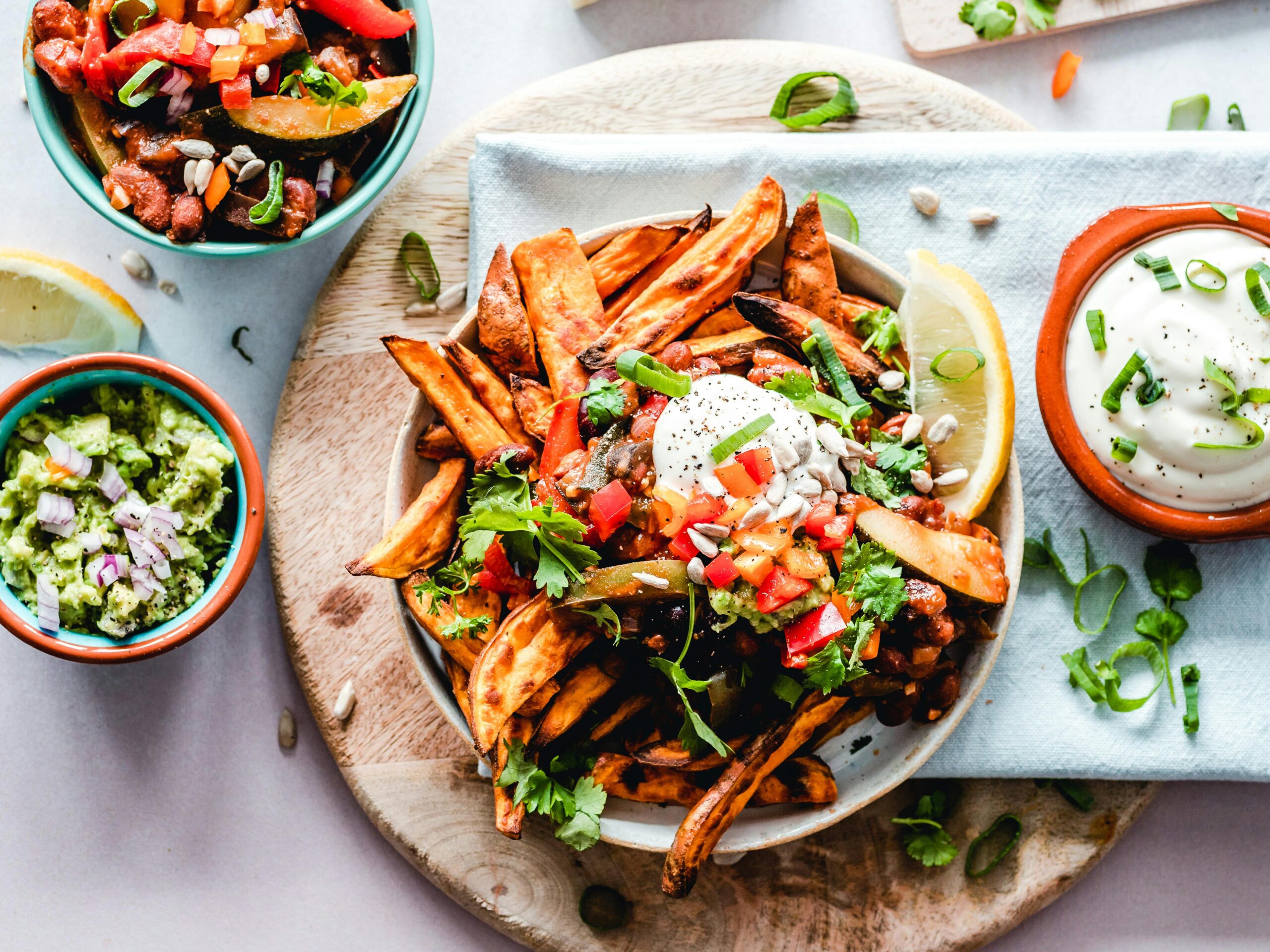
Consider using herbs and milder spices like basil, oregano, thyme, and rosemary to add depth to your evening meals without the sleep-disrupting effects of hot peppers. These aromatic herbs provide complex flavors without triggering the same physiological responses as capsaicin-rich foods.
For those who love acidic brightness in their food, try substituting lemon juice or vinegar with gentler acids in smaller quantities, or balance acidic ingredients with alkaline foods. Incorporating more root vegetables, leafy greens, and whole grains into evening meals provides satisfying nutrition without sleep disruption.
Beverages That Support Sleep
Beyond food, your evening beverage choices significantly impact sleep quality. Instead of acidic wine or citrus juices with dinner, consider these sleep-supportive alternatives:
- Chamomile tea (naturally caffeine-free and contains apigenin, which promotes sleepiness)
- Warm milk with a touch of honey (contains tryptophan and calcium)
- Tart cherry juice (natural source of melatonin)
- Herbal infusions like passionflower or valerian root
- Plain water at room temperature (cold water can shock your system)
📊 Tracking Your Personal Triggers
Everyone’s digestive system and sleep sensitivity are unique, which means your specific triggers may differ from general guidelines. Keeping a food and sleep diary can help you identify your personal problematic foods and optimal eating windows.
For two to three weeks, record what you eat, when you eat it, and how you sleep that night. Note factors like time to fall asleep, number of awakenings, overall sleep quality rating, and any digestive discomfort. Patterns will emerge that reveal your individual sensitivities, allowing you to make personalized adjustments rather than following generic advice.
Several sleep tracking apps can help monitor your sleep patterns alongside your dietary journal, providing objective data about sleep quality, duration, and disturbances. This quantified approach removes guesswork and helps you make evidence-based decisions about your evening eating habits.
🌙 The Bigger Picture: Building a Sleep-Supportive Lifestyle
While managing spicy and acidic food consumption is important, it’s just one piece of the sleep hygiene puzzle. Creating truly restorative sleep requires a holistic approach that addresses multiple lifestyle factors simultaneously.
Regular exercise improves sleep quality, but timing matters—vigorous workouts within three hours of bedtime can be stimulating and counterproductive. Stress management techniques like meditation, deep breathing, or gentle yoga help calm your nervous system in preparation for sleep. Creating a consistent sleep schedule, even on weekends, reinforces your body’s natural circadian rhythms.
Your sleep environment also plays a crucial role. Keep your bedroom cool (around 65-68°F or 18-20°C), dark, and quiet. Invest in quality bedding and ensure your mattress provides adequate support. These environmental factors work synergistically with dietary choices to either support or sabotage your sleep efforts.
🔬 When to Seek Professional Help
If you’ve made dietary and lifestyle adjustments but still struggle with sleep disruption, it may be time to consult healthcare professionals. Persistent sleep problems despite behavioral changes could indicate underlying conditions like GERD, sleep apnea, or other medical issues requiring professional treatment.
A sleep specialist can conduct assessments to identify specific sleep disorders, while a gastroenterologist can evaluate digestive issues that might be contributing to nighttime disturbances. Don’t dismiss chronic sleep problems as just part of life—quality sleep is a fundamental pillar of health that deserves proper attention and treatment when necessary.
🎯 Taking Control of Your Sleep Destiny
Your relationship with food doesn’t have to mean choosing between enjoying flavors you love and getting quality sleep. The key lies in awareness, strategic timing, and mindful choices that honor both your culinary preferences and your body’s need for restorative rest.
Start by implementing small changes—perhaps moving your spiciest meal to lunchtime or adding an extra hour between dinner and bedtime. Notice how these adjustments affect your sleep quality, energy levels, and overall wellbeing. Gradually build upon successful changes, creating sustainable habits rather than attempting drastic overnight transformations that rarely stick.
Remember that occasional indulgences won’t permanently derail your sleep health. It’s the consistent patterns that matter most. If you choose to enjoy spicy buffalo wings or acidic marinara at dinner on special occasions, compensate with excellent sleep hygiene practices and return to sleep-supportive eating patterns the following day.
Your journey to better sleep through dietary awareness is personal and ongoing. Be patient with yourself as you discover what works for your unique body and lifestyle. The investment you make in understanding and managing how foods affect your sleep will pay dividends in improved energy, better health, enhanced mood, and greater quality of life. Sweet dreams start with smart choices—and now you have the knowledge to make them. 😴