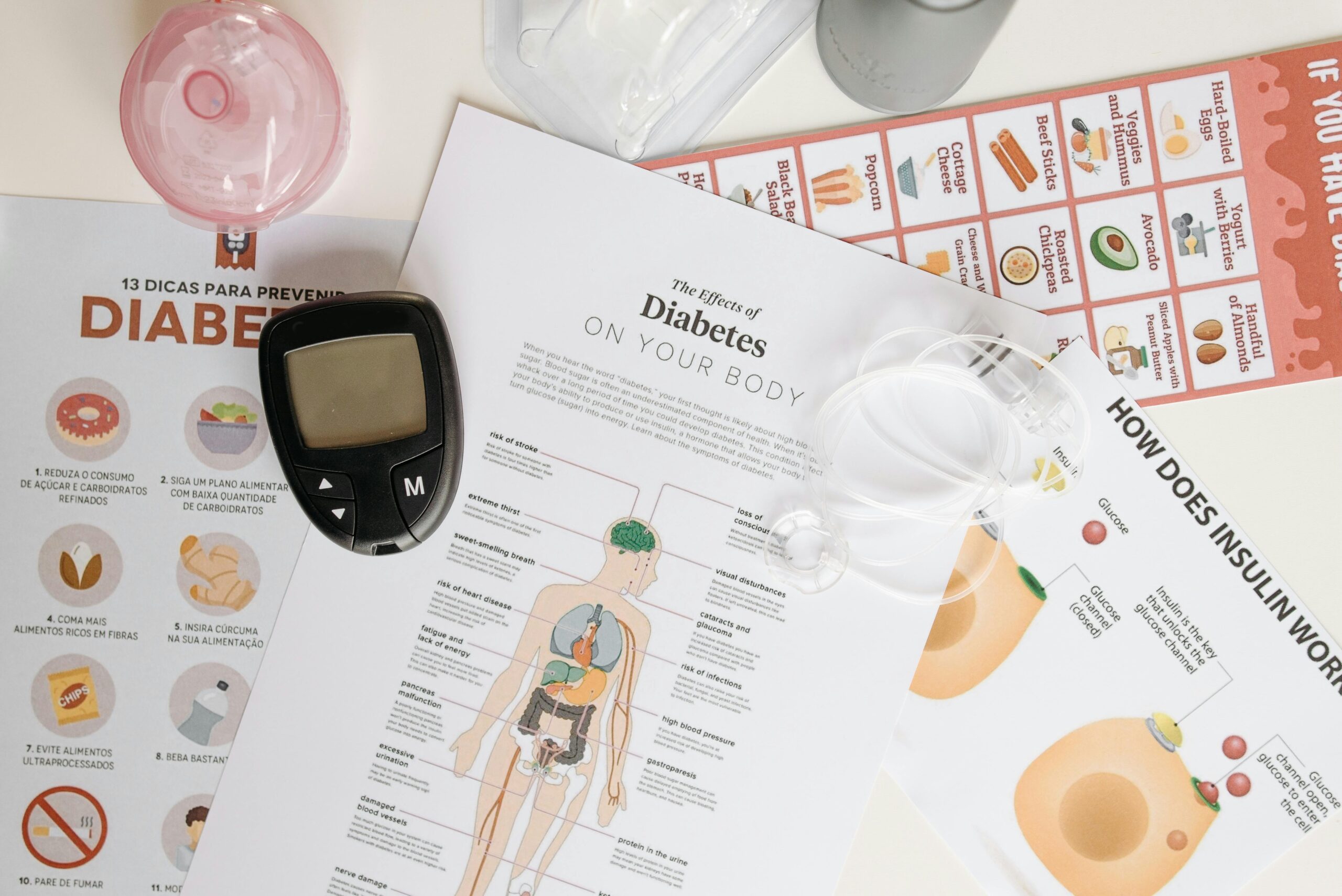
Time-restricted eating has emerged as one of the most accessible and scientifically-backed approaches to improving metabolic health, weight management, and overall wellbeing in recent years.

Unlike traditional calorie-counting diets that focus on what you eat, time-restricted eating (TRE) shifts the emphasis to when you eat. This approach aligns your eating patterns with your body’s circadian rhythms, creating a powerful synergy between nutrition timing and natural biological processes. As research continues to unveil the remarkable benefits of this eating pattern, more people are discovering that the key to better health might not lie in complicated meal plans, but rather in the simple act of giving your body adequate time to rest, repair, and rejuvenate between meals.
The concept is elegantly simple: you consume all your daily calories within a specific time window, typically ranging from 6 to 12 hours, and fast for the remaining hours of the day. This practice taps into ancient evolutionary patterns when food wasn’t constantly available, and our bodies developed sophisticated mechanisms to thrive during periods of both eating and fasting.
🔬 The Science Behind Time-Restricted Eating
Time-restricted eating works by triggering a metabolic switch in your body. When you eat, your body primarily burns glucose for energy and stores excess calories as fat. During fasting periods, once glucose reserves are depleted, your body transitions to burning fat for fuel and produces ketones, which offer numerous health benefits beyond simple energy provision.
This metabolic flexibility is crucial for optimal health. Modern eating patterns, characterized by constant snacking and late-night eating, keep our bodies perpetually in a fed state, never allowing this beneficial metabolic switch to occur. Over time, this can lead to insulin resistance, weight gain, inflammation, and various metabolic disorders.
Research has demonstrated that time-restricted eating influences gene expression related to circadian rhythms, metabolism, and cellular repair processes. During fasting periods, your body initiates autophagy—a cellular “housekeeping” process that removes damaged components and recycles cellular debris. This process is essential for maintaining cellular health and has been linked to longevity and disease prevention.
Circadian Rhythm Synchronization ⏰
Our bodies operate on a roughly 24-hour cycle known as the circadian rhythm, which regulates everything from hormone production to digestion and sleep patterns. Time-restricted eating helps reinforce these natural rhythms by providing consistent timing cues to your body’s internal clock.
When you eat at random times throughout the day and night, you send conflicting signals to your circadian system. This disruption can lead to metabolic dysfunction, poor sleep quality, decreased energy levels, and increased disease risk. By consolidating eating into a consistent daily window, preferably aligned with daylight hours, you support your body’s natural rhythms and enhance overall physiological function.
💪 Maximizing the Health Benefits
The potential health benefits of time-restricted eating extend far beyond weight loss, though that’s often what initially attracts people to this approach. Understanding how to optimize these benefits can help you design a sustainable practice that transforms your health.
Weight Management and Body Composition
Time-restricted eating naturally reduces calorie intake for most people, simply by limiting the window of opportunity to eat. However, the benefits go deeper than mere calorie reduction. Studies show that TRE can preferentially reduce visceral fat—the dangerous fat surrounding internal organs—while helping preserve lean muscle mass when combined with adequate protein intake and resistance training.
The fasting period also elevates human growth hormone levels, which supports fat burning and muscle preservation. Additionally, improved insulin sensitivity means your body becomes more efficient at utilizing nutrients and less likely to store excess calories as fat.
Metabolic Health Improvements
Perhaps the most compelling evidence for time-restricted eating comes from its effects on metabolic health markers. Research consistently demonstrates improvements in:
- Insulin sensitivity and blood sugar regulation
- Blood pressure and cardiovascular health markers
- Cholesterol and triglyceride levels
- Inflammatory markers throughout the body
- Liver function and reduction of fatty liver disease
These improvements occur even when people don’t significantly change what they eat, though combining TRE with a nutritious diet amplifies the benefits. The timing itself appears to be a powerful metabolic signal that helps reset and optimize numerous physiological processes.
Cognitive Function and Mental Clarity 🧠
Many practitioners of time-restricted eating report enhanced mental clarity, focus, and cognitive performance during fasting periods. This isn’t merely anecdotal—research supports that ketones produced during fasting serve as an efficient fuel source for the brain and may have neuroprotective properties.
Furthermore, the improved sleep quality that often accompanies time-restricted eating contributes significantly to cognitive function. By avoiding late-night eating, you allow your body to focus on restorative processes during sleep rather than digestion, leading to deeper, more refreshing sleep and better daytime mental performance.
🎯 Finding Your Optimal Eating Window
One of the most common questions about time-restricted eating is: what’s the ideal eating window? The truth is that the optimal window varies based on individual factors including lifestyle, work schedule, exercise habits, and personal goals.
Common Time-Restricted Eating Protocols
The 16:8 method represents the most popular approach, involving 16 hours of fasting and an 8-hour eating window. For many people, this might mean eating between noon and 8 PM, or 10 AM and 6 PM. This protocol offers significant benefits while remaining relatively easy to maintain long-term.
The 14:10 approach provides a gentler entry point, with 14 hours of fasting and a 10-hour eating window. This method is particularly suitable for beginners or those who need more flexibility in their eating schedule.
More advanced practitioners might experiment with 18:6 or even 20:4 protocols, though these require more discipline and aren’t necessary for everyone. The key is finding a sustainable rhythm that fits your life while providing the metabolic benefits of extended fasting periods.
Timing Considerations for Maximum Benefit
Research suggests that eating earlier in the day, aligned with your circadian rhythm, may offer additional advantages. Early time-restricted eating (eTRE), where you finish eating by mid-afternoon, has shown particularly impressive results in studies on metabolic health and weight loss.
However, social and practical considerations matter too. A protocol you can’t sustain won’t provide long-term benefits. For most people, an eating window that ends 2-3 hours before bedtime and begins after a morning fasting period represents an achievable and beneficial compromise.
⚡ Overcoming Common Challenges and Limitations
While time-restricted eating offers numerous benefits, it’s not without challenges. Understanding and preparing for these obstacles increases your chances of long-term success.
Managing Hunger and Energy Levels
Initial hunger during fasting periods is perhaps the most common challenge. Your body is accustomed to regular feeding, and it takes time to adapt to a new eating pattern. The good news is that hunger comes in waves and typically subsides after 15-20 minutes.
Strategies for managing hunger include staying well-hydrated, consuming black coffee or tea (which don’t break your fast), staying busy during fasting periods, and gradually extending your fasting window rather than making dramatic changes overnight. Most people find that hunger significantly decreases after the first week or two as their body adapts.
Some people worry about energy levels during fasting, but many discover the opposite—once adapted, they experience more stable energy throughout the day without the peaks and crashes associated with frequent eating.
Social Situations and Flexibility
Social eating occasions can present challenges for time-restricted eating practitioners. The key is developing flexibility within structure. If you have an early breakfast meeting or late dinner event, you can shift your eating window for that day, or occasionally extend it without abandoning the practice entirely.
Consistency matters more than perfection. Following your time-restricted eating protocol most days while allowing occasional flexibility for social occasions creates a sustainable long-term approach rather than an all-or-nothing mindset that often leads to abandonment.
Exercise Timing and Performance 🏃
Athletes and fitness enthusiasts often wonder how time-restricted eating affects exercise performance. Research shows that once adapted, most people can maintain and even improve their performance with properly timed TRE.
For intense workouts, many people prefer exercising near the end of their fasting period, then breaking their fast with a nutritious meal. This approach leverages elevated growth hormone and catecholamine levels during fasting while ensuring proper post-workout nutrition. Others prefer eating before training, which is equally valid—the key is finding what works for your body and goals.
🍽️ Optimizing Nutrition Within Your Eating Window
Time-restricted eating focuses on when you eat, but what you eat during your window remains important for maximizing benefits and maintaining overall health.
Nutrient Density and Meal Composition
With a compressed eating window, every meal counts. Prioritizing nutrient-dense whole foods ensures you meet your nutritional needs. Focus on quality proteins, healthy fats, fiber-rich vegetables, fruits, and whole grains. These foods provide satiety, stable energy, and the nutrients your body needs to thrive.
Avoid the temptation to use your eating window as an opportunity to consume low-quality processed foods. While TRE offers metabolic benefits regardless of food quality, combining it with nutritious eating multiplies the positive effects on your health.
Breaking Your Fast Strategically
How you break your fast matters. Rather than immediately consuming a large, heavy meal, consider starting with something light and easily digestible. Many people prefer breaking their fast with a balanced meal containing protein, healthy fats, and fiber, which provides sustained energy without overwhelming your digestive system.
Avoid breaking your fast with high-sugar foods or refined carbohydrates, which can cause blood sugar spikes and crashes, potentially triggering increased hunger and cravings throughout your eating window.
🔄 Long-Term Sustainability and Adaptation
The most effective eating pattern is one you can maintain long-term. Time-restricted eating offers inherent sustainability advantages compared to restrictive diets, but success still requires thoughtful implementation.
Building Gradual Adaptation
If you’re new to time-restricted eating, start gradually. Begin by simply avoiding late-night snacking, creating a natural overnight fast of 12 hours. Once comfortable, extend your fasting window by an hour every few days until you reach your target.
This gradual approach allows your body, hormones, and hunger signals to adapt without overwhelming stress. It also gives you time to adjust your habits, routines, and social patterns around your new eating schedule.
Personalizing Your Approach
Time-restricted eating isn’t one-size-fits-all. Factors like age, sex, activity level, health status, and personal goals all influence the optimal approach. Women, particularly those of reproductive age, may need different considerations than men due to hormonal sensitivities.
Pay attention to how your body responds. Improved energy, stable mood, better sleep, and positive changes in body composition indicate you’re on the right track. Persistent fatigue, poor sleep, increased anxiety, or hormonal disruptions suggest you may need to adjust your approach.
🎁 Beyond Weight Loss: Unexpected Benefits
While many people initially try time-restricted eating for weight management, practitioners often discover unexpected benefits that enhance quality of life in surprising ways.
Simplified daily routines emerge as a significant advantage. With fewer meals to plan, prepare, and clean up after, you reclaim time and mental energy. Many people report improved relationships with food, breaking free from constant food obsession and developing more intuitive, mindful eating patterns.
Financial savings represent another practical benefit. Consuming fewer meals and snacks typically reduces grocery bills and eliminates expensive coffee shop runs and vending machine purchases throughout the day.
Enhanced autophagy and cellular repair processes may contribute to longevity and disease prevention, though long-term human studies are still ongoing. Animal research consistently shows extended lifespan and healthspan with time-restricted feeding protocols, and early human data appears promising.
⚠️ Important Considerations and Contraindications
While time-restricted eating is safe and beneficial for most people, certain populations should approach it cautiously or avoid it entirely without medical supervision.
Pregnant or breastfeeding women should not practice time-restricted eating, as they have increased nutritional needs and requiring consistent nutrient intake. Children and adolescents should also avoid fasting protocols, as they need regular nutrition for growth and development.
People with a history of eating disorders should approach time-restricted eating carefully, as the structured timing could potentially trigger unhealthy patterns. Those with diabetes or taking medications that affect blood sugar should consult their healthcare provider before beginning TRE, as fasting can significantly impact glucose levels and medication requirements.
Anyone with chronic health conditions or taking regular medications should discuss time-restricted eating with their healthcare provider to ensure it’s appropriate and to make any necessary adjustments to their treatment plan.
🚀 Getting Started: Your Action Plan
Ready to unlock the power of time-restricted eating? Start with these practical steps to set yourself up for success.
First, track your current eating patterns for a few days. Note when you have your first and last bites of food each day. This baseline awareness helps you understand how much adjustment you’ll need to make and identifies easy opportunities for improvement.
Choose a realistic eating window that fits your lifestyle. Consider work schedules, family meal times, exercise routines, and social commitments. Remember that consistency matters more than having the “perfect” window.
Plan your meals in advance to ensure you’re getting adequate nutrition within your eating window. Focus on whole foods, adequate protein, healthy fats, and plenty of vegetables to support satiety and nutritional needs.
Stay hydrated throughout your fasting period with water, black coffee, or unsweetened tea. Proper hydration supports fasting compliance and helps manage hunger.
Track your progress beyond just the scale. Monitor energy levels, sleep quality, mental clarity, workout performance, and how your clothes fit. These indicators often show improvements before significant weight changes occur.
Give yourself at least two weeks to adapt before judging whether time-restricted eating works for you. The initial adjustment period can be challenging, but most people find it becomes natural and effortless once established.
Time-restricted eating represents a powerful, accessible tool for improving health, managing weight, and optimizing metabolic function. By aligning your eating patterns with your body’s natural rhythms, you tap into ancient physiological mechanisms designed to help you thrive. While it’s not a magic solution that eliminates the need for nutritious food choices and healthy lifestyle habits, it provides a simple, sustainable framework that enhances your body’s ability to function optimally. Whether you’re seeking weight loss, improved metabolic health, enhanced mental clarity, or simply a more straightforward approach to nutrition, time-restricted eating offers a evidence-based path forward that respects both scientific research and practical reality. Start gradually, remain consistent, listen to your body, and adjust as needed to create a personalized practice that supports your long-term health and wellbeing.