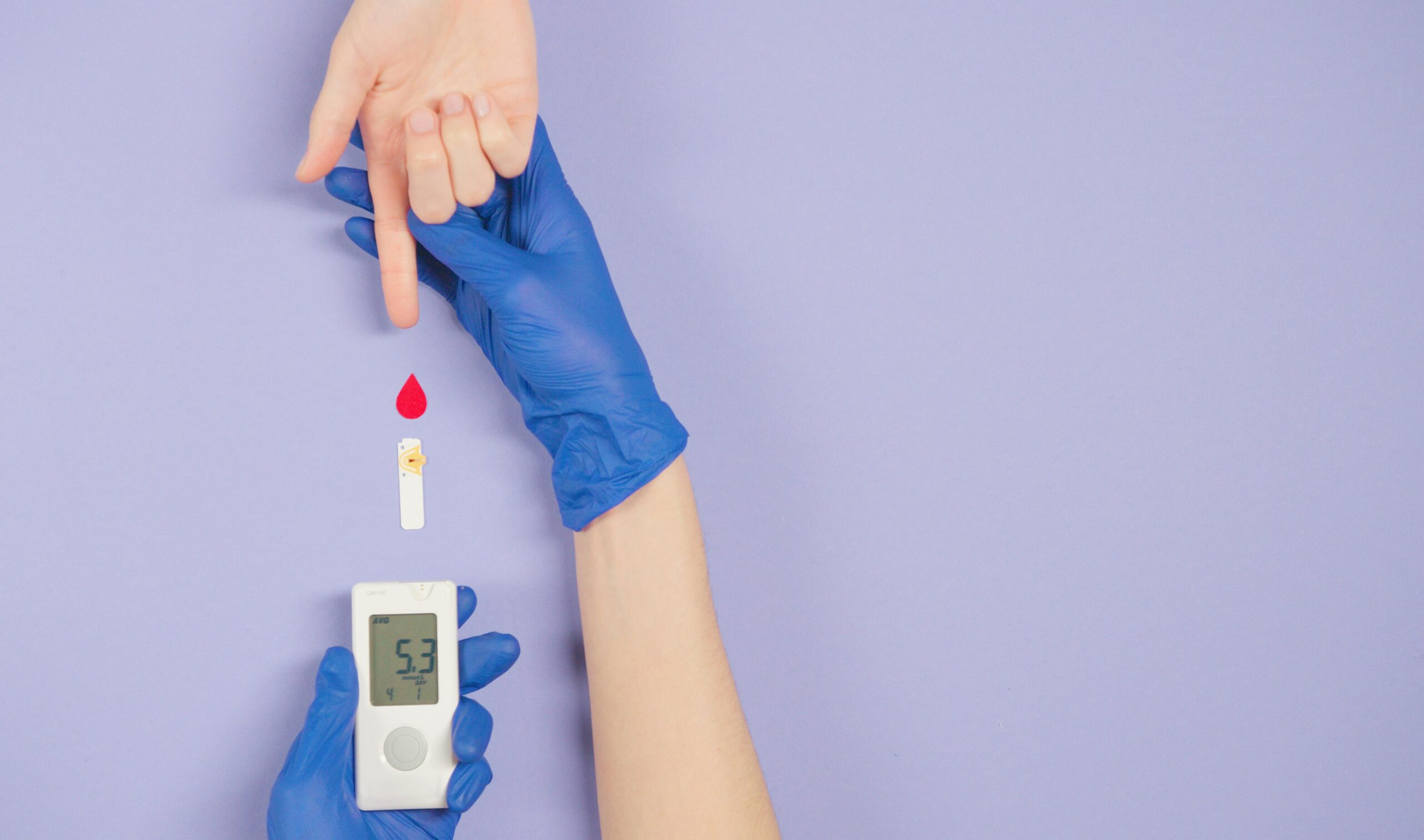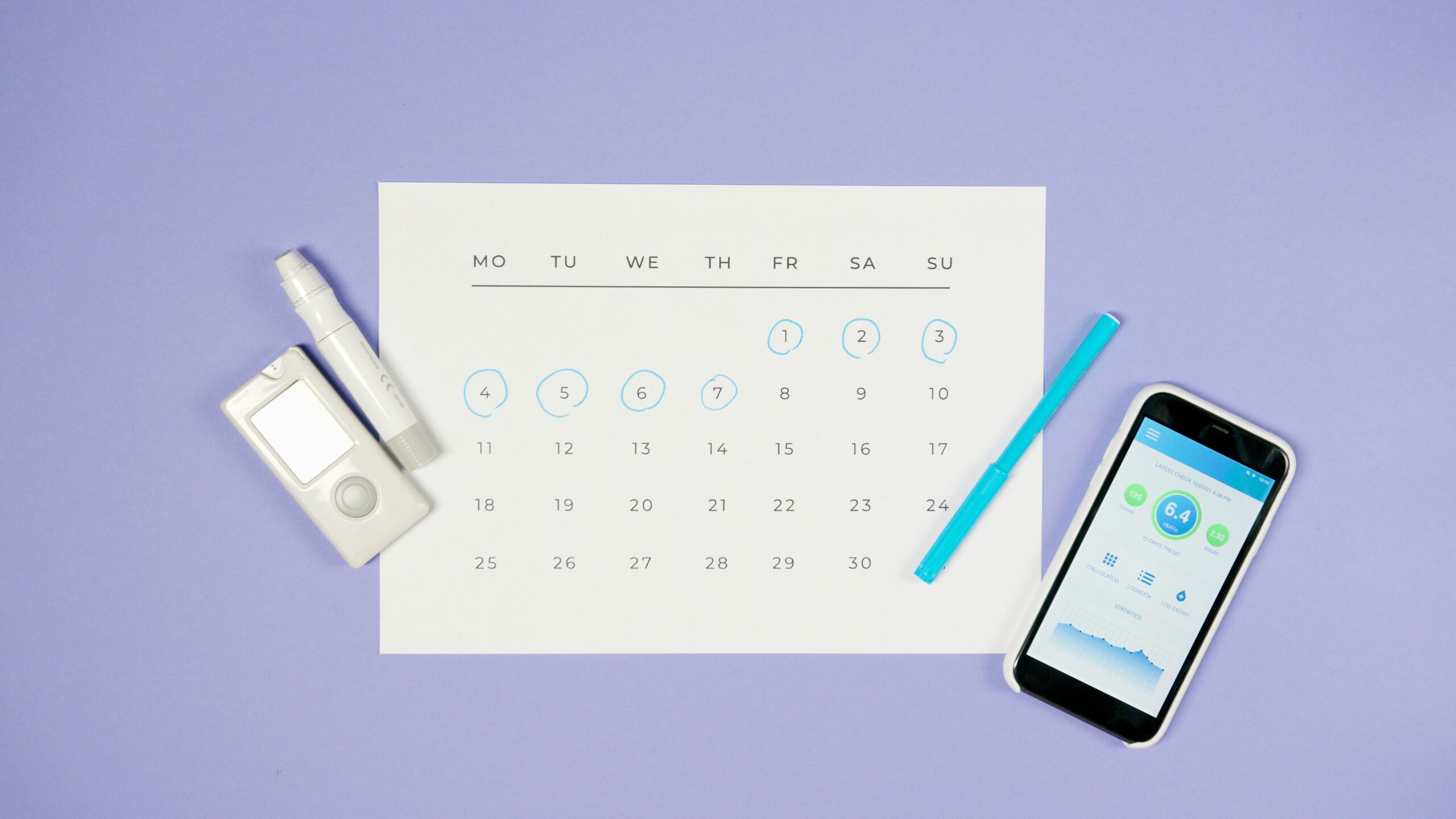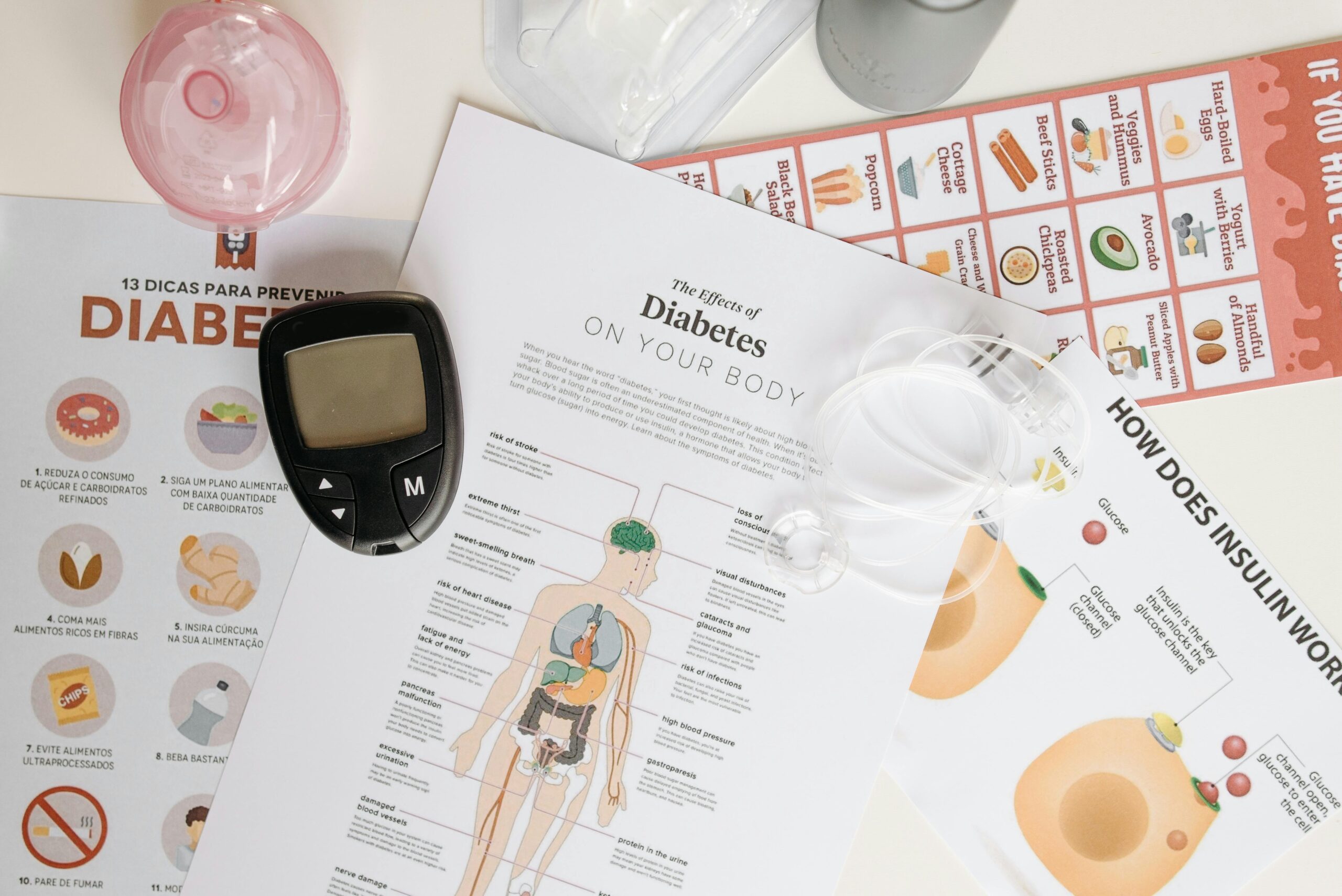
Managing blood sugar levels can feel overwhelming, but one simple tool—a food log—can transform how you understand and control your health. 📊

Every day, millions of people around the world struggle with blood sugar imbalances, whether due to diabetes, prediabetes, or insulin resistance. The connection between what we eat and how our blood sugar responds is deeply personal and varies significantly from person to person. What causes a spike in one individual might have minimal effect on another. This is where the power of personalized tracking becomes invaluable.
Keeping a detailed food log isn’t just about counting calories or tracking macronutrients. It’s about discovering the unique patterns and triggers that affect your individual glucose response. By systematically recording what you eat and monitoring your blood sugar levels, you create a powerful database of information that can guide your dietary choices and help you achieve better metabolic health.
🔍 Why Your Blood Sugar Matters More Than You Think
Blood sugar regulation affects nearly every aspect of your health. When glucose levels remain stable, you experience sustained energy, mental clarity, better mood stability, and reduced cravings. Conversely, blood sugar spikes and crashes can lead to fatigue, irritability, brain fog, increased hunger, and long-term complications including cardiovascular disease, nerve damage, and kidney problems.
The challenge is that blood sugar responses are remarkably individual. Research has shown that two people can eat the exact same meal and have dramatically different glucose responses. Factors including gut microbiome composition, stress levels, sleep quality, physical activity, meal timing, and genetic variations all influence how your body processes carbohydrates.
This personalized response means that generic dietary advice often falls short. The only way to truly understand your unique triggers is through careful self-monitoring and documentation.
The Science Behind Food Logging and Blood Sugar Control
Multiple studies have demonstrated that food logging significantly improves health outcomes for people managing blood sugar issues. A comprehensive study published in the Journal of Medical Internet Research found that participants who consistently tracked their food intake achieved better glycemic control and lost more weight than those who didn’t track.
The mechanism behind this success is multifaceted. First, the act of recording creates awareness. When you must write down everything you consume, you become more mindful of portion sizes, snacking habits, and hidden sources of sugar and refined carbohydrates. This awareness alone often leads to better choices.
Second, a food log creates accountability. Knowing that you’ll need to document that mid-afternoon cookie or evening ice cream adds a psychological barrier that helps many people resist temptation.
Third, and perhaps most importantly, a detailed food log paired with blood sugar measurements reveals your personal patterns and triggers. You might discover that your morning oatmeal causes a significant spike, but sweet potatoes at dinner don’t. Or that eating protein before carbohydrates reduces your glucose response.
🥗 What Should You Include in Your Food Log?
An effective food log for blood sugar management goes beyond simply listing what you ate. To identify patterns and triggers accurately, include the following elements:
- Date and time of meals and snacks: Timing matters significantly for blood sugar control. Eating late at night or spacing meals too far apart can affect glucose levels.
- Detailed food descriptions: Include specific brands, preparation methods, and portion sizes. “Chicken” is too vague; “4 oz grilled chicken breast, seasoned with herbs” provides useful data.
- Carbohydrate content: Even rough estimates help you understand which foods impact your blood sugar most significantly.
- Blood glucose readings: Record fasting glucose, pre-meal readings, and post-meal readings (typically 1-2 hours after eating).
- Physical activity: Exercise affects blood sugar, so note when and what type of activity you performed.
- Stress levels and sleep quality: Both significantly impact glucose metabolism.
- Medications and supplements: These can influence blood sugar readings.
- How you felt: Energy levels, mood, hunger, and cravings provide context for the numbers.
Getting Started: Your First Week of Food Logging
Beginning a food log doesn’t require perfection. Start simple and build the habit gradually. For the first few days, focus on consistently recording everything you eat and drink. Don’t judge yourself or try to change your eating patterns yet—this initial phase is about establishing a baseline and understanding your current habits.
Choose a method that works for your lifestyle. Some people prefer traditional pen and paper, finding the physical act of writing helps cement awareness. Others benefit from smartphone apps that offer convenient tracking, carbohydrate databases, and reminder notifications.
During your first week, test your blood sugar at consistent times: upon waking (fasting glucose), before meals, and one to two hours after meals. This schedule provides comprehensive data about how different foods affect your glucose levels throughout the day.
Don’t be discouraged by unexpected high readings. Remember, the purpose of this exercise is discovery, not judgment. Every data point teaches you something valuable about your body’s unique responses.
📱 Digital Tools That Make Tracking Easier
Technology has revolutionized food logging, making it more accessible and less time-consuming than ever before. Numerous applications now offer features specifically designed for blood sugar management, including barcode scanning, extensive food databases, integration with glucose meters, and pattern analysis.
One popular option is MyFitnessPal, which provides comprehensive nutritional tracking and allows you to log blood glucose readings alongside your meals. The app’s large food database and barcode scanner make entering foods quick and convenient.
For those seeking more specialized diabetes management tools, apps like mySugr offer blood sugar tracking, medication reminders, estimated HbA1c calculations, and report generation that you can share with your healthcare provider.
Continuous glucose monitors (CGMs) have also become more accessible, providing real-time blood sugar data without finger pricks. While traditionally used by people with Type 1 diabetes, they’re increasingly available to anyone interested in optimizing their metabolic health. Many CGMs sync with smartphone apps that automatically log your glucose levels alongside your food intake.
🔎 Identifying Your Personal Blood Sugar Triggers
After two to four weeks of consistent logging, patterns begin to emerge. Analyzing your data reveals which specific foods, meal combinations, and circumstances cause problematic blood sugar responses. Look for these common patterns:
Food-specific spikes: You might discover that white rice causes a significant spike but quinoa doesn’t, or that whole wheat bread affects you differently than sourdough. These insights allow you to make strategic substitutions without feeling deprived.
Timing effects: Many people find their glucose tolerance varies throughout the day. Carbohydrates consumed at breakfast might cause higher spikes than the same foods eaten at lunch. This knowledge helps you structure your meals strategically.
Combination effects: Eating protein and healthy fats alongside carbohydrates typically reduces the glucose spike. Your log might reveal that toast alone causes problems, but toast with avocado and eggs doesn’t.
Portion size thresholds: Sometimes it’s not about avoiding foods completely but finding the portion size your body handles well. Half a banana might be fine while a whole one causes issues.
Stress and sleep correlations: Your log might reveal that the same meal causes different responses depending on how well you slept or how stressed you are. This highlights the importance of lifestyle factors beyond diet.
Making Sense of the Numbers: Blood Sugar Target Ranges
Understanding what your blood glucose readings mean helps you interpret your food log effectively. For most people without diabetes, target ranges include:
| Timing | Target Range (mg/dL) |
|---|---|
| Fasting (upon waking) | 70-100 |
| Before meals | 70-130 |
| 1-2 hours after meals | Less than 140 |
For people with diabetes, targets may be slightly different and should be established with your healthcare provider. Generally, consistent readings above these ranges or dramatic spikes and crashes indicate opportunities for dietary adjustment.
Pay attention not just to the peak number but to how quickly your blood sugar rises and falls. Rapid spikes followed by crashes often cause symptoms like energy dips, cravings, and mood swings, even if the peak doesn’t exceed target ranges.
🎯 Turning Insights Into Action
The ultimate goal of food logging isn’t just collecting data—it’s using that information to make sustainable improvements. Once you’ve identified your triggers, develop strategies that work with your lifestyle rather than against it.
Start with small, manageable changes based on your findings. If your log reveals that your typical breakfast cereal causes problematic spikes, experiment with alternatives like Greek yogurt with berries and nuts, or eggs with vegetables. Test these new options while continuing to log and measure, verifying that the substitutions actually improve your blood sugar response.
Create your own personalized “green light” list of foods and meal combinations that keep your blood sugar stable. Having go-to options removes decision fatigue and makes healthy choices easier, especially during busy or stressful times.
Similarly, identify your “yellow light” foods—those that are acceptable in small portions or specific contexts—and your “red light” triggers that consistently cause problems. This framework provides practical guidance without requiring you to follow someone else’s rigid meal plan.
Common Pitfalls and How to Avoid Them
Many people start food logging with enthusiasm but struggle to maintain the habit. Understanding common obstacles helps you plan strategies to overcome them.
Perfectionism paralysis: Some people become so concerned with logging every detail perfectly that they give up entirely. Remember that imperfect data is better than no data. Missing an occasional entry or estimating portions doesn’t negate the value of your overall tracking.
Information overload: Initially, the amount of data can feel overwhelming. Focus on one meal at a time or one pattern per week. You don’t need to solve everything simultaneously.
Judgment and shame: Food logging should be a neutral observation tool, not a source of guilt. Every entry is information, not evidence of success or failure. Approach your log with curiosity rather than criticism.
Losing consistency: Life gets busy, and logging often falls by the wayside. Build the habit by linking it to existing routines. Log while you eat, or immediately afterward, rather than trying to remember everything at day’s end.
💪 Beyond the Basics: Advanced Tracking Strategies
Once you’ve established consistent logging habits and identified basic patterns, you can explore more sophisticated tracking to fine-tune your blood sugar control.
Experiment with meal sequencing. Research suggests that eating vegetables first, then protein and fats, and finally carbohydrates can reduce post-meal glucose spikes. Test whether this strategy works for you by comparing blood sugar responses to the same meal eaten in different orders.
Investigate the effects of walking after meals. Even a brief 10-15 minute walk can significantly reduce post-meal blood sugar spikes. Log when you do this and compare results to sedentary days.
Explore food combinations that include resistant starch, vinegar, or cinnamon—all shown in studies to potentially moderate blood sugar responses. Your personal log will reveal whether these strategies benefit you specifically.
Consider tracking your HbA1c levels quarterly. This blood test measures average blood glucose over three months, providing a long-term perspective that complements your daily logging. Many people find that consistent food logging leads to measurable HbA1c improvements within three to six months.
Working With Your Healthcare Team
Your food log becomes an invaluable communication tool when working with doctors, certified diabetes educators, or nutritionists. Rather than trying to remember what you ate during the past few weeks, you can provide concrete data showing patterns, triggers, and responses.
Many healthcare providers are impressed when patients arrive with detailed logs, as it demonstrates commitment and provides actionable information. Some practitioners may request specific logging formats or data points, so ask what would be most helpful for your appointments.
Share both successes and challenges. Your log might reveal that you’re doing better than you thought, or it might highlight areas where professional guidance would be beneficial. Either way, the data enables more personalized and effective recommendations.
🌟 The Long-Term Benefits of Food Awareness
While food logging requires effort, the benefits extend far beyond blood sugar control. The awareness and knowledge you develop create lasting changes in how you relate to food and your body.
Many people find that after several months of consistent logging, they’ve internalized enough information to make good choices instinctively. You might not need to log forever—the education you receive from the process creates lasting habits and understanding.
The confidence that comes from understanding your body’s responses is empowering. Instead of feeling confused about why you experience energy crashes or cravings, you have concrete explanations and solutions. This knowledge reduces anxiety around food and enables you to make choices aligned with how you want to feel.
Additionally, the metabolic improvements from better blood sugar control often lead to other health benefits: easier weight management, reduced inflammation, better cardiovascular health, improved mood stability, and potentially reduced risk of chronic diseases.
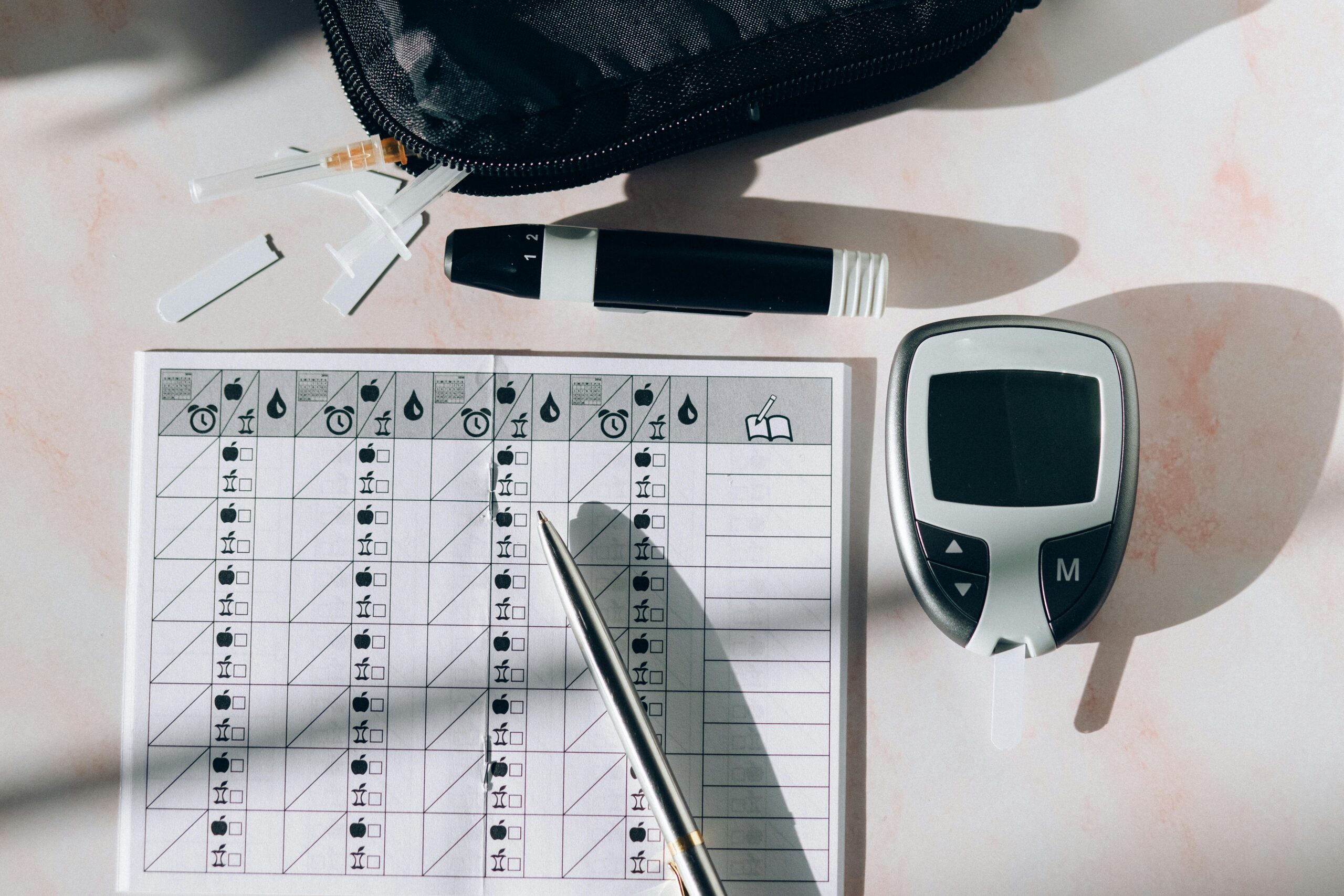
Your Journey to Blood Sugar Mastery Starts Now
Taking control of your blood sugar doesn’t require drastic measures or restrictive diets. It starts with awareness—understanding the unique relationship between your food choices and your body’s responses. A food log is your roadmap on this journey, revealing insights that generic advice simply cannot provide.
Begin today with just one meal. Record what you eat, note your blood sugar response, and observe how you feel. This single data point starts building the knowledge base that will transform your health. With consistency, patience, and curiosity, you’ll uncover your personal triggers and develop strategies that work specifically for your body.
The path to better blood sugar control is personal and unique. Your food log illuminates that path, turning confusion into clarity and empowering you to make informed choices every single day. The investment in tracking pays dividends in energy, health, and wellbeing that extend far into your future. 🎯