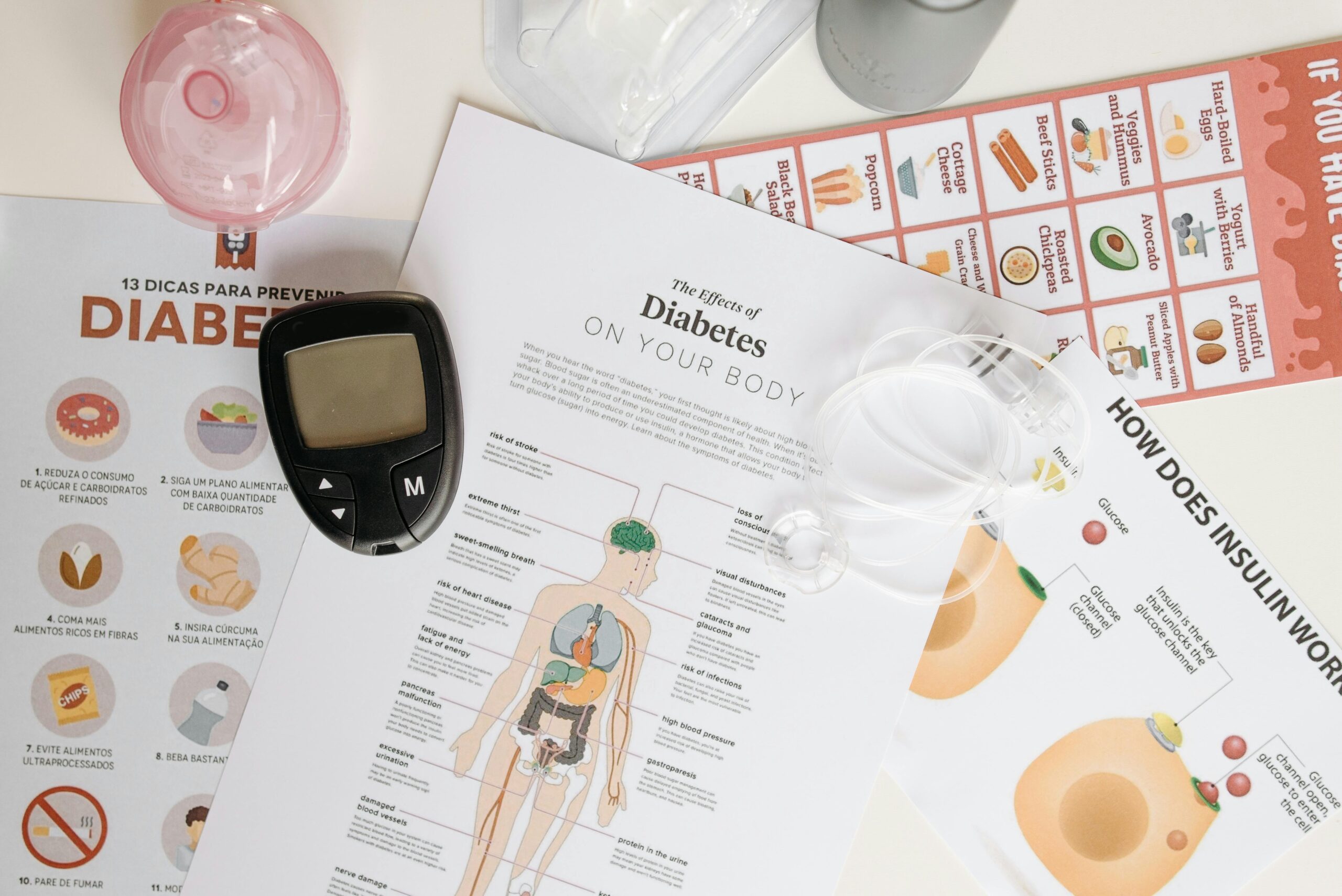
Understanding when you move your body can be just as crucial as the exercise itself when it comes to managing blood sugar levels and optimizing your metabolic health.

🔬 The Science Behind Glucose Rhythms and Circadian Biology
Your body operates on an intricate internal clock known as the circadian rhythm, which regulates countless physiological processes including glucose metabolism. This biological timekeeper influences how efficiently your body processes carbohydrates, responds to insulin, and maintains stable blood sugar levels throughout the day.
Research has consistently demonstrated that glucose tolerance varies significantly across different times of day. Morning hours typically showcase superior insulin sensitivity compared to evening periods, meaning your body handles carbohydrates more effectively earlier in the day. This phenomenon isn’t merely coincidental—it’s deeply rooted in evolutionary biology and hormonal fluctuations.
Cortisol, often called the stress hormone, peaks naturally in early morning hours, preparing your body for the day ahead. This hormone plays a complex role in glucose regulation, temporarily increasing blood sugar to provide energy for waking activities. Meanwhile, melatonin production begins rising in the evening, which can actually impair insulin secretion and glucose tolerance.
⏰ Morning Activity: Harnessing Your Metabolic Prime Time
Engaging in physical activity during morning hours offers distinct advantages for glucose management. When you exercise before breakfast—a practice known as fasted cardio—your body taps into fat stores more readily since glycogen reserves are depleted from overnight fasting.
Morning workouts align perfectly with your body’s natural cortisol peak, which enhances alertness and performance capacity. Additionally, early exercise has been shown to improve insulin sensitivity for up to 24 hours afterward, creating a metabolic advantage that extends well beyond the workout itself.
Studies involving individuals with type 2 diabetes have revealed that morning exercise sessions resulted in more significant reductions in 24-hour glucose levels compared to afternoon or evening workouts. The mechanism appears related to enhanced glucose uptake by muscles and improved hepatic insulin sensitivity following morning physical activity.
Practical Morning Activity Strategies 🌅
To maximize the glucose-regulating benefits of morning exercise, consider these evidence-based approaches:
- Perform moderate-intensity activities like brisk walking or cycling for 30-45 minutes before breakfast
- Incorporate resistance training 2-3 times weekly to build metabolic-active muscle tissue
- Stay hydrated with water before and during exercise to support metabolic processes
- Monitor your blood glucose if you have diabetes to understand your individual response patterns
- Allow at least 15-30 minutes between exercise and breakfast for optimal metabolic adaptation
🍽️ Post-Meal Movement: The Underestimated Metabolic Tool
Perhaps one of the most powerful yet underutilized strategies for glucose optimization is post-meal physical activity. Even brief movement sessions following meals can dramatically reduce postprandial glucose spikes—those sharp increases in blood sugar that occur after eating.
Research indicates that just 15 minutes of walking after meals can reduce blood glucose levels by 20-30% compared to remaining sedentary. This effect occurs because muscular contraction facilitates glucose uptake independent of insulin, essentially helping your muscles absorb sugar from the bloodstream without requiring additional hormonal signaling.
The timing matters significantly here. Maximum glucose peaks typically occur 60-90 minutes after meal consumption, making the immediate post-meal window particularly critical. Starting your movement within 15-30 minutes after finishing your meal provides optimal glucose-blunting effects.
Effective Post-Meal Activities
You don’t need intense exercise to achieve meaningful glucose benefits after eating. Consider these accessible options:
- A gentle 10-15 minute walk around your neighborhood or office building
- Light household chores like dishes, tidying, or organizing
- Standing and performing simple movements like calf raises or marching in place
- Leisurely cycling or using a stationary bike while watching television
- Gardening or other light outdoor activities
🌙 Evening Exercise: Balancing Benefits and Circadian Considerations
Evening physical activity presents a more complex picture regarding glucose optimization. While exercise at any time offers metabolic benefits, late-day workouts interact differently with your body’s circadian rhythms and may impact sleep quality—which itself profoundly affects glucose regulation.
Some research suggests that high-intensity evening exercise might temporarily impair next-morning insulin sensitivity in certain individuals, possibly due to elevated cortisol and adrenaline that persist into sleeping hours. However, this effect varies considerably based on individual chronotype, workout intensity, and timing relative to bedtime.
For individuals who can only exercise in evening hours, the benefits typically outweigh potential drawbacks. The key lies in implementing strategic modifications to minimize circadian disruption while maximizing metabolic advantages.
Optimizing Evening Workouts for Glucose Health
If evening represents your only realistic exercise window, apply these optimization principles:
- Complete vigorous workouts at least 3-4 hours before intended bedtime
- Consider moderate-intensity activities like yoga, Pilates, or casual walking closer to sleep time
- Avoid consuming large amounts of carbohydrates immediately after evening exercise
- Implement a consistent cooldown routine to help transition your nervous system toward relaxation
- Monitor your sleep quality and adjust timing if you notice disturbances
📊 Activity Intensity and Glucose Response Patterns
Not all movement affects glucose rhythms identically. The intensity, duration, and type of physical activity each create distinct metabolic signatures that influence blood sugar management differently.
| Activity Type | Immediate Glucose Effect | Long-term Metabolic Impact | Optimal Timing |
|---|---|---|---|
| Low-intensity walking | Gradual decrease | Improved insulin sensitivity | Post-meals, any time |
| Moderate cardio | Steady decrease | Enhanced glycogen utilization | Morning, post-meal |
| High-intensity interval training | Initial spike, then decrease | Significant metabolic adaptation | Morning to mid-afternoon |
| Resistance training | Variable, often slight increase | Increased muscle mass, improved glucose disposal | Morning to afternoon |
High-intensity activities can temporarily elevate blood glucose due to stress hormone release and hepatic glucose output. However, the subsequent hours bring enhanced insulin sensitivity and improved glucose clearance. Understanding these patterns helps you interpret glucose monitor readings accurately and avoid unnecessary concern.
💤 The Sleep-Activity-Glucose Connection
Your sleep quality exerts profound influence over glucose regulation, creating a bidirectional relationship with activity timing. Poor sleep impairs insulin sensitivity, increases appetite hormones, and disrupts the circadian organization of glucose metabolism. Meanwhile, strategically timed exercise can improve sleep quality, creating a virtuous cycle of metabolic health.
Research demonstrates that individuals who engage in consistent morning or early afternoon exercise experience deeper, more restorative sleep compared to those who exercise vigorously late in the evening. This sleep improvement translates directly to better glucose control the following day.
Sleep deprivation—even a single night of inadequate rest—can reduce insulin sensitivity by 20-30%, essentially creating a temporary prediabetic state in otherwise healthy individuals. This underscores the importance of timing your activities in ways that support rather than compromise sleep quality.
Synchronizing Sleep, Activity, and Glucose Health 🔄
To create optimal alignment between these interconnected systems:
- Maintain consistent sleep-wake schedules, even on weekends
- Prioritize 7-9 hours of quality sleep nightly
- Schedule intense workouts for morning or early afternoon when possible
- Use evening hours for gentle, restorative movement practices
- Create a dark, cool sleeping environment to support melatonin production
- Avoid large meals and vigorous exercise within 2-3 hours of bedtime
🎯 Personalizing Your Activity Timing Strategy
While general principles provide valuable guidance, individual variation in chronotype, work schedules, existing health conditions, and personal preferences necessitate customized approaches. Your optimal activity timing depends on multiple intersecting factors that create a unique metabolic profile.
Chronotype—whether you’re naturally a morning lark or night owl—influences when your body performs best physically and metabolically. Morning chronotypes typically experience peak performance earlier in the day, while evening types reach their physiological prime later. Forcing activity timing that conflicts with your natural chronotype can reduce adherence and potentially diminish benefits.
Individuals with diabetes, prediabetes, or metabolic syndrome may need more careful consideration of activity timing. Those using insulin or certain medications should coordinate exercise timing with their healthcare providers to prevent hypoglycemia while maximizing glucose control benefits.
Tracking and Refining Your Approach
Continuous glucose monitors (CGMs) and fitness tracking applications provide unprecedented insights into how different activity timings affect your personal glucose patterns. These technologies enable data-driven optimization based on your unique metabolic responses rather than generalized recommendations.
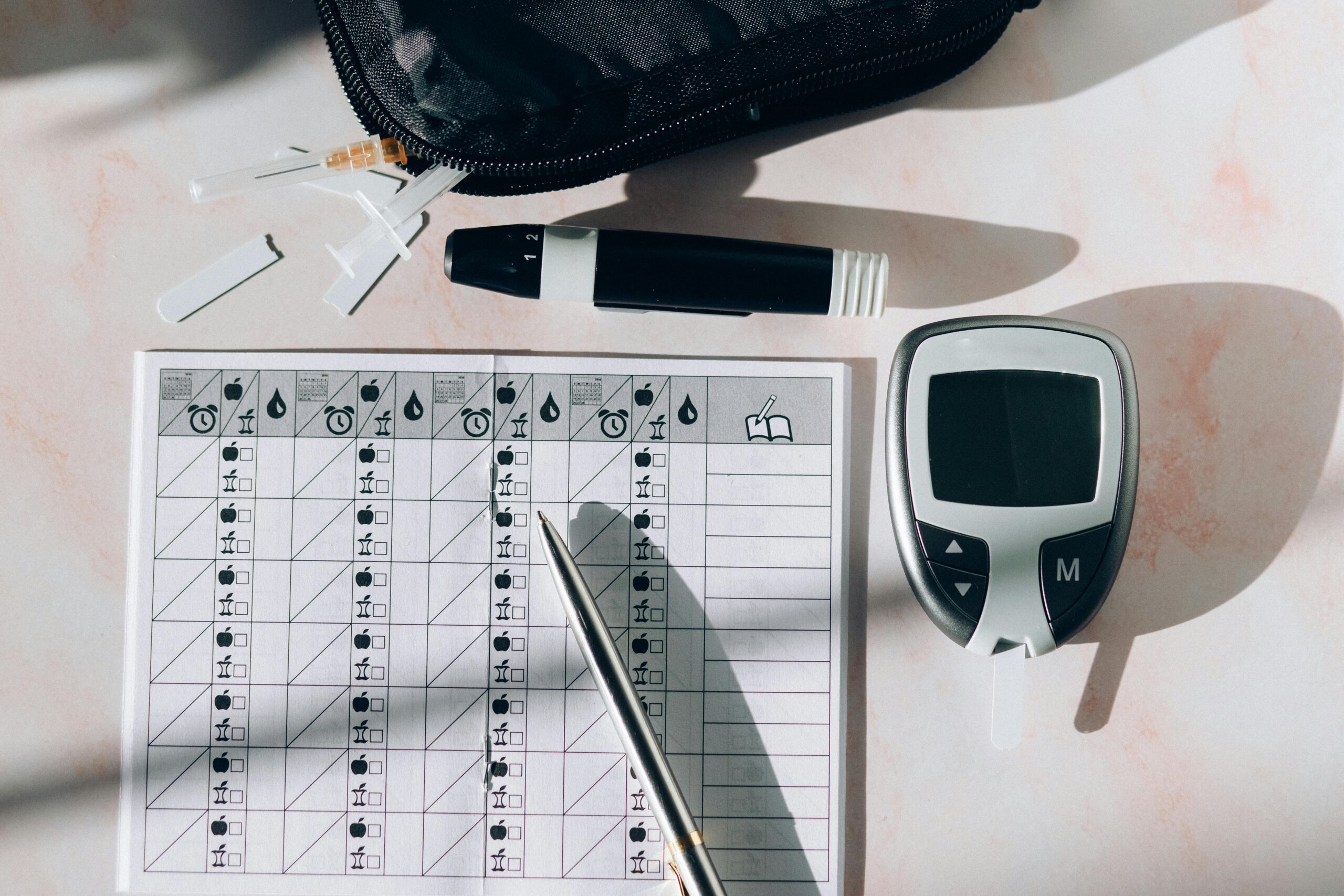
Consider maintaining an activity and glucose journal for 2-4 weeks, recording exercise timing, type, intensity, meal composition, sleep quality, and corresponding glucose readings. Patterns will emerge that reveal your individual optimal timing windows and activity types.
🥗 Integrating Nutrition Timing with Activity Patterns
Activity timing and meal timing represent two sides of the same metabolic coin. When you eat relative to when you move significantly impacts glucose optimization. Strategic coordination of these behaviors creates synergistic effects that exceed what either approach achieves independently.
Front-loading calories earlier in the day—consuming larger breakfasts and lunches with lighter dinners—aligns with natural circadian rhythms and typically improves glucose management. Pairing this eating pattern with morning or early afternoon activity amplifies metabolic benefits.
Pre-exercise nutrition also matters. Exercising in a fasted state (morning before breakfast) maximizes fat oxidation but may reduce performance capacity for intense workouts. Consuming small amounts of easily digestible carbohydrates 30-60 minutes before afternoon exercise can fuel performance without causing problematic glucose spikes.
Coordinating Meals and Movement
For optimal glucose rhythm synchronization:
- Time your largest meals when insulin sensitivity is highest (morning to early afternoon)
- Include post-meal movement, especially after carbohydrate-rich meals
- Consider protein-rich pre-workout snacks for afternoon or evening sessions
- Avoid eating large meals within 2-3 hours of bedtime
- Stay hydrated throughout the day to support metabolic processes
🏃 Building Sustainable Activity Timing Habits
Knowledge without implementation provides little benefit. The most scientifically optimal activity timing strategy means nothing if it doesn’t fit realistically into your daily life. Sustainability trumps perfection when establishing long-term glucose optimization practices.
Start by identifying your most consistent daily anchor points—times when your schedule remains relatively stable. Build activity habits around these anchors rather than attempting to force exercise into variable time slots. Consistency in timing helps entrain your circadian rhythms, potentially amplifying metabolic benefits over time.
For individuals with unpredictable schedules, prioritizing post-meal movement provides glucose benefits regardless of when meals occur. This flexible approach ensures you capture significant metabolic advantages even when ideal morning exercise windows aren’t available.
Overcoming Common Barriers ⚡
Practical obstacles frequently derail even well-intentioned activity timing strategies. Address these common challenges proactively:
- Lack of morning time: Prepare workout clothes the night before and keep routines brief (even 15 minutes provides benefits)
- Low morning energy: Start with gentle activities and gradually increase intensity as your body adapts
- Work schedule constraints: Utilize lunch breaks for short walks or standing movement
- Family responsibilities: Involve family members in post-meal walks or other activities
- Weather limitations: Develop indoor alternatives like stair climbing, bodyweight exercises, or online workout videos
🌟 The Cumulative Impact of Optimized Activity Timing
Small, strategic adjustments to when you move your body accumulate into substantial metabolic improvements over weeks and months. Research tracking individuals who implemented activity timing optimization reported improvements in HbA1c (a marker of long-term glucose control), fasting glucose levels, insulin sensitivity, body composition, and cardiovascular health markers.
These benefits extend beyond glucose management alone. Properly timed activity enhances sleep quality, mood regulation, cognitive function, and overall vitality. The interconnected nature of circadian biology means that optimizing one system—glucose rhythms—simultaneously improves multiple other physiological processes.
Perhaps most importantly, aligning activity with your natural rhythms tends to make exercise feel less burdensome and more enjoyable. When you work with your biology rather than against it, adherence improves naturally, creating a sustainable foundation for lifelong metabolic health.
Your body possesses remarkable adaptive capacity, but it functions optimally when behaviors align with innate circadian programming. By thoughtfully timing your physical activity to complement natural glucose rhythms, you harness powerful biological mechanisms that support stable blood sugar, enhanced metabolic flexibility, and vibrant health across your lifespan.