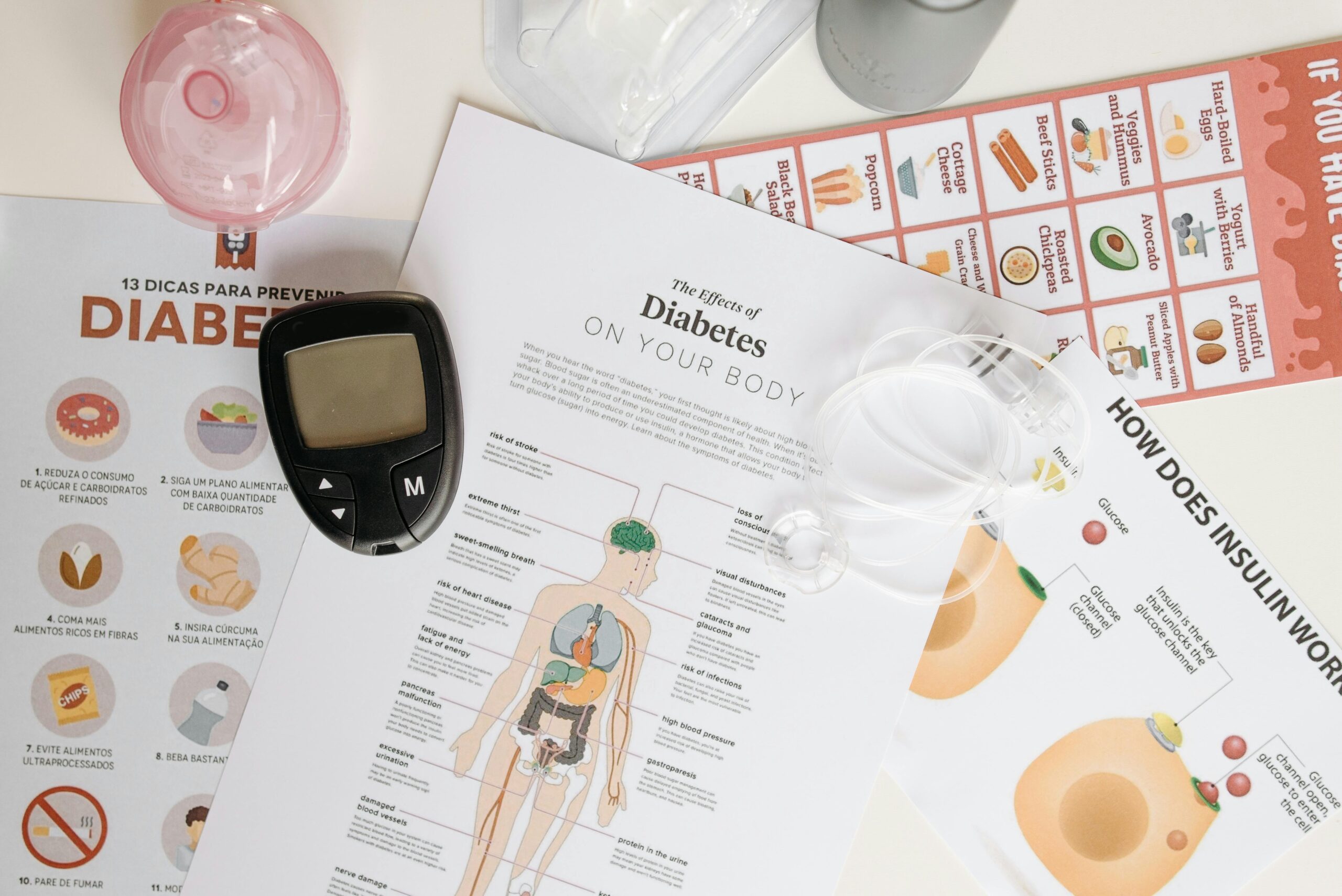
Your body runs on glucose, and understanding how it moves through your system can transform the way you approach energy, focus, and overall wellbeing throughout your day.

🔋 What Exactly Are Glucose Curves and Why Should You Care?
Glucose curves represent the rise and fall of sugar levels in your bloodstream after you eat or drink. Think of them as the energetic heartbeat of your metabolism—constantly fluctuating based on what you consume, how you move, and even how you sleep. While medical professionals use these measurements to diagnose and manage diabetes, the rest of us can benefit tremendously from understanding these patterns to optimize our daily performance.
Every time you eat, your blood sugar rises. How high it goes, how quickly it peaks, and how fast it returns to baseline tells a fascinating story about your body’s relationship with food. These curves aren’t just abstract medical data—they directly influence your energy levels, mental clarity, mood stability, and even your long-term health prospects.
The beauty of understanding glucose curves is that you don’t need to be managing a medical condition to benefit from this knowledge. Athletes use it to optimize performance. Knowledge workers apply these insights to maintain mental sharpness. Anyone interested in wellness can leverage glucose awareness to feel better throughout their day.
📊 The Anatomy of a Typical Glucose Response
When you consume food containing carbohydrates, your digestive system breaks them down into glucose molecules that enter your bloodstream. This triggers a predictable sequence of events that creates your personal glucose curve.
Initially, your baseline glucose level sits somewhere between 70-100 mg/dL in most healthy individuals during fasting states. After eating, this number begins to climb within 15-30 minutes as digestion kicks in. The peak typically occurs around 30-90 minutes after your meal, depending on what you ate and various individual factors.
Following the peak, your pancreas releases insulin—a hormone that acts like a key, unlocking cells so they can absorb glucose for energy. This brings your blood sugar back down, ideally returning to baseline within 2-3 hours. The shape of this curve—steep or gradual, high or moderate—reveals important information about your metabolic health.
The Four Phases Every Glucose Curve Contains
- The Baseline Phase: Your starting point before eating, reflecting your fasting glucose level
- The Rise Phase: The upward climb as glucose enters your bloodstream from digestion
- The Peak Phase: The highest point your glucose reaches after that particular meal
- The Recovery Phase: The descent back toward baseline as insulin does its work
🍽️ How Different Foods Create Dramatically Different Curves
Not all foods create equal glucose responses. A candy bar and a chicken salad might contain similar calories, but they’ll produce wildly different curves in your body, leading to completely different energy experiences.
Simple carbohydrates and sugars create what’s often called a “glucose spike”—a rapid, steep rise followed by a sometimes equally dramatic fall. This rollercoaster pattern often correlates with that familiar burst of energy followed by the dreaded crash. White bread, sugary drinks, and pastries are notorious for creating these sharp peaks.
Complex carbohydrates paired with protein, fat, and fiber produce gentler, more sustained curves. These gradual rises and falls typically correspond to stable energy levels, better focus, and fewer cravings. Think whole grains with nuts, vegetables with olive oil, or fruit paired with cheese.
Protein and fat alone cause minimal glucose elevation, which is why a steak dinner doesn’t give you the same energetic spike as a plate of pasta. However, they slow digestion when combined with carbohydrates, smoothing out the curve considerably.
Real-World Comparison: Same Calories, Different Curves
| Food Option | Curve Pattern | Energy Experience |
|---|---|---|
| White bagel with jam | Sharp spike and crash | Quick energy, then fatigue |
| Oatmeal with nuts and berries | Gradual rise, steady descent | Sustained energy for hours |
| Sweetened fruit juice | Rapid spike, quick drop | Brief alertness, hunger returns |
| Apple with almond butter | Moderate rise, slow decline | Stable mood and focus |
💡 Reading Your Body’s Energy Signals Without a Glucose Monitor
While continuous glucose monitors have become popular tools for tracking these curves in real-time, you don’t necessarily need technology to become glucose-aware. Your body sends remarkably clear signals if you learn to listen.
That mid-afternoon slump? Often it’s your glucose hitting a low point after a carb-heavy lunch created a spike. The brain fog that rolls in around 10 AM might trace back to a sugary breakfast that spiked your glucose early. Those intense cravings for something sweet? Your body may be responding to a recent glucose crash.
Energy levels serve as your most accessible glucose indicator. Stable, sustained energy throughout the day suggests your glucose curves are relatively smooth. Dramatic ups and downs—feeling wired then exhausted—point toward more volatile patterns.
Mood changes often track with glucose fluctuations too. Irritability, anxiety, and difficulty concentrating frequently accompany both spikes and crashes. Notice when these feelings arise in relation to your meals and snacks.
🎯 Key Symptoms That Suggest Glucose Instability
- Feeling shaky, dizzy, or weak between meals
- Intense cravings for sweets or carbohydrates
- Difficulty concentrating or brain fog
- Unexpected mood swings or irritability
- Extreme fatigue despite adequate sleep
- Feeling wired or anxious after eating certain foods
🏃♀️ Movement and Your Glucose Response
Physical activity represents one of the most powerful tools for shaping your glucose curves, and the timing matters tremendously. Exercise doesn’t just burn calories—it fundamentally alters how your body processes glucose.
A brief walk after eating can significantly reduce the height of your glucose peak. Just 10-15 minutes of movement encourages your muscles to absorb glucose from your bloodstream, effectively lowering the curve without requiring insulin. This simple habit can transform your post-meal energy levels.
Intense exercise creates its own interesting glucose dynamics. During vigorous activity, your body may actually release stored glucose to fuel your efforts, temporarily raising blood sugar. Afterward, your muscles become insulin-sensitive “glucose sponges,” improving your curves for hours or even days.
Even fidgeting and standing instead of sitting makes a measurable difference. Every muscle contraction helps clear glucose from your blood. This is why desk workers who remain sedentary often experience more dramatic glucose fluctuations than those who move throughout their day.
😴 The Sleep Connection You Can’t Afford to Ignore
Poor sleep doesn’t just make you tired—it fundamentally disrupts your glucose regulation. Even a single night of insufficient or low-quality sleep can make your cells less responsive to insulin, effectively flattening your glucose curves and extending high blood sugar periods.
When you’re sleep-deprived, your body produces more cortisol and other stress hormones that interfere with insulin function. This means the exact same breakfast that normally gives you steady energy might create a pronounced spike and crash when you’re running on insufficient rest.
Sleep deprivation also affects appetite-regulating hormones, making you crave quick energy from simple carbohydrates. This creates a vicious cycle: poor sleep leads to worse food choices, which creates more volatile glucose patterns, which can further disrupt sleep quality.
Prioritizing 7-9 hours of quality sleep isn’t just about feeling rested—it’s fundamental to maintaining healthy glucose curves and stable energy throughout your waking hours.
🧘♂️ Stress, Emotions, and Your Blood Sugar
Your glucose levels respond to more than just food. Psychological stress triggers the release of cortisol and adrenaline, hormones that cause your liver to release stored glucose into your bloodstream—your body’s ancient preparation for physical danger.
In our modern world, this stress response activates during work deadlines, arguments, and traffic jams—situations where you can’t “burn off” that released glucose through physical activity. The result? Elevated blood sugar without consuming anything, potentially followed by reactive drops that leave you feeling drained.
Chronic stress creates persistently elevated baseline glucose levels and can make your curves more erratic overall. This explains why stressful periods often coincide with energy problems, weight changes, and increased cravings—even when your diet hasn’t changed.
Stress management techniques like deep breathing, meditation, and regular breaks aren’t just good for mental health—they’re glucose management tools that help smooth your energy curves throughout the day.
🍎 Practical Strategies for Smoother, More Stable Curves
Understanding glucose curves is valuable, but applying that knowledge to daily life creates the real transformation. These evidence-based strategies help most people achieve more stable energy patterns.
Start with protein: Beginning your meal with protein and vegetables before carbohydrates can significantly reduce the overall glucose spike. This sequencing slows carbohydrate absorption and promotes more gradual curves.
Never eat carbs alone: Pairing carbohydrates with protein, fat, or fiber moderates your glucose response. Add nuts to fruit, cheese to crackers, or avocado to toast for smoother curves.
Embrace vinegar: Consuming a tablespoon of vinegar (in water or as salad dressing) before or with meals has been shown to reduce glucose spikes by improving insulin sensitivity.
Time your carbs strategically: Your body handles carbohydrates best earlier in the day when insulin sensitivity is typically higher. Consider saving larger carbohydrate portions for breakfast and lunch rather than dinner.
Stay hydrated: Dehydration concentrates glucose in your bloodstream, artificially elevating readings and potentially worsening energy fluctuations. Consistent water intake supports optimal glucose metabolism.
Building Your Glucose-Friendly Plate
- Fill half your plate with non-starchy vegetables (fiber to slow absorption)
- Reserve a quarter for lean protein (minimal glucose impact, enhances satiety)
- Use the remaining quarter for complex carbohydrates (sustained energy release)
- Add healthy fats like olive oil, nuts, or avocado (further smooths the curve)
📱 Technology and Tracking: When It Makes Sense
Continuous glucose monitors (CGMs) have moved beyond the diabetes community into the wellness space, offering real-time visibility into your personal glucose responses. These small sensors worn on your arm provide constant feedback, revealing exactly how different foods, activities, and habits affect your curves.
For many people, wearing a CGM for even a few weeks provides invaluable education. You’ll discover which foods work well for your unique metabolism and which consistently cause problems. The personalized nature of glucose responses means generic dietary advice may not serve you well—what spikes your glucose might not affect someone else the same way.
Several apps now integrate with CGMs or help you log and track symptoms to identify patterns even without a sensor. These tools can accelerate your learning curve, helping you connect dots between meals, activities, and how you feel.
That said, technology isn’t essential. Many people successfully optimize their glucose curves through mindful experimentation—trying different meal combinations, timing strategies, and movement patterns while paying attention to energy levels, mood, and hunger signals.
🌟 Your Individual Glucose Signature
Perhaps the most important concept in understanding glucose curves is recognizing your metabolic individuality. Research has demonstrated that people can have dramatically different glucose responses to identical foods. One person’s gentle curve might be another’s steep spike.
Genetics, gut microbiome composition, stress levels, sleep quality, fitness level, and numerous other factors create your unique glucose signature. This is why personalized approaches work better than one-size-fits-all dietary recommendations.
Experimenting systematically helps you identify your personal patterns. Try eating specific foods in isolation and note your energy levels for the next 2-3 hours. Repeat meals that made you feel great. Modify or eliminate those that consistently cause crashes or cravings.
Over time, you’ll develop intuitive knowledge about what works for your body. This glucose awareness becomes second nature, guiding food choices without requiring constant tracking or overthinking.

🎯 Transforming Knowledge Into Lasting Energy Balance
Mastering your glucose curves isn’t about achieving perfection or never experiencing a spike. It’s about understanding the patterns that affect your daily experience and having tools to influence them. Even small improvements in glucose stability can translate to noticeable differences in how you feel, perform, and function throughout your day.
The goal is sustainable energy—avoiding the exhausting rollercoaster of highs and crashes that leaves you reaching for caffeine and sugar just to function. When your glucose curves smooth out, you’ll likely notice improved mental clarity, more stable moods, fewer cravings, better sleep, and a general sense of wellbeing that comes from your body operating as it was designed to.
Start with one or two strategies that feel most accessible to you. Perhaps it’s adding a post-meal walk, pairing your afternoon fruit with nuts, or being more mindful about protein at breakfast. Small, consistent changes compound over time, retraining your metabolism and creating new, healthier patterns.
Your body’s energy management system is remarkably responsive to the inputs you provide. By understanding glucose curves and applying that knowledge thoughtfully, you’re not just managing blood sugar—you’re taking control of your daily energy, focus, and long-term metabolic health. The power to feel better is quite literally in your hands, one meal and one choice at a time. ✨