You’ve had a long day, poured yourself a nightcap, and drifted off quickly. But why do you wake up feeling unrested? Let’s explore alcohol’s hidden impact on sleep.

The Seductive Lie: Why Alcohol Feels Like a Sleep Solution 🍷
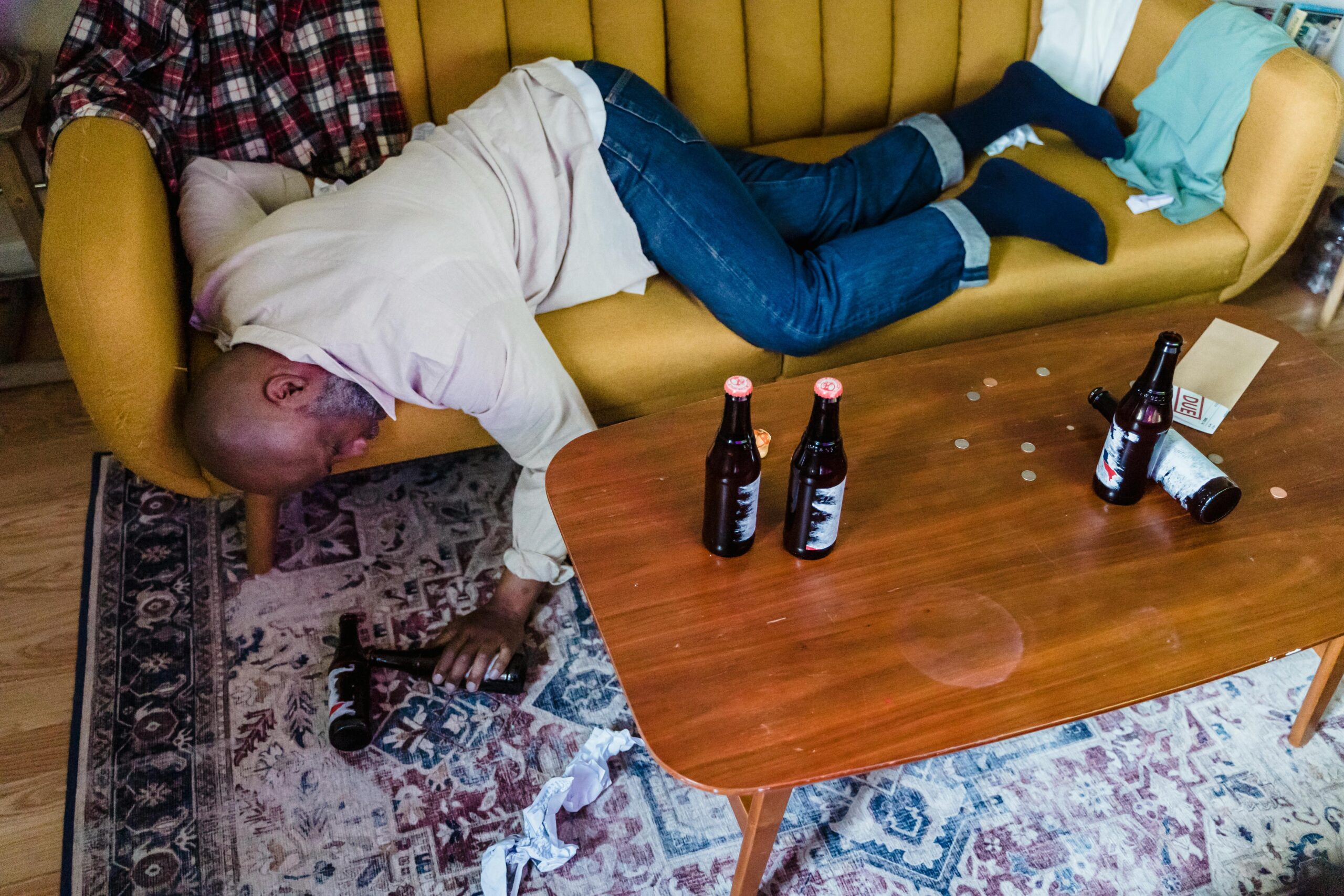
Many people reach for an alcoholic beverage before bed, believing it helps them fall asleep faster. And technically, they’re not wrong—alcohol is a central nervous system depressant that can indeed reduce the time it takes to fall asleep, a measure called sleep latency. This sedative effect creates the illusion that alcohol is a sleep aid.
However, what feels like falling asleep is actually closer to sedation. Your brain isn’t transitioning naturally through the normal stages of sleep onset. Instead, alcohol essentially forces your consciousness into a subdued state that mimics sleep but lacks many of its restorative qualities.
This distinction matters enormously. While you might lose consciousness quickly after drinking, the quality of sleep you’re getting is significantly compromised. It’s like comparing a nutritious meal to empty calories—both fill you up, but only one nourishes your body properly.
Understanding Your Sleep Architecture: The Foundation of Rest 🏗️
To understand how alcohol disrupts sleep, you first need to understand what normal sleep looks like. Sleep isn’t a single, uniform state. Rather, it consists of multiple stages that cycle throughout the night, each serving specific functions for physical and mental restoration.
The Four Stages of Sleep
Sleep researchers have identified four distinct stages that repeat in cycles of approximately 90 minutes throughout the night:
- Stage 1 (Light Sleep): The transition period between wakefulness and sleep, lasting only a few minutes
- Stage 2 (Light Sleep): Body temperature drops, heart rate slows, and you become disengaged from your surroundings
- Stage 3 (Deep Sleep/Slow-Wave Sleep): The most restorative stage, crucial for physical recovery, immune function, and memory consolidation
- REM Sleep (Rapid Eye Movement): When most dreaming occurs, essential for emotional regulation, learning, and creativity
A healthy night’s sleep involves cycling through these stages four to six times. Early in the night, you spend more time in deep sleep. As morning approaches, REM periods become longer and more frequent. This natural architecture has evolved over millennia to optimize human health and cognitive function.
How Alcohol Demolishes Your Sleep Architecture 💥
When you introduce alcohol into this delicate system, the effects are profound and multifaceted. Research consistently shows that alcohol consumption, even in moderate amounts, significantly disrupts normal sleep architecture.
The First Half of the Night: False Comfort
During the first half of the night after drinking, you might experience increased slow-wave sleep (deep sleep). This sounds positive, but it comes with a catch—this isn’t normal, healthy deep sleep. The brain wave patterns are altered, and the restorative functions of this stage are compromised.
Additionally, alcohol severely suppresses REM sleep during the first half of the night. Your brain essentially skips or shortens these crucial REM periods, creating a sleep debt that your body will attempt to compensate for later.
The Second Half: The Rebound Effect
As your body metabolizes alcohol, usually in the second half of the night, things get worse. You experience what’s called “REM rebound,” where your brain tries to make up for lost REM sleep. However, this compensatory REM is often fragmented and less restorative than natural REM sleep.
This metabolic process also triggers more frequent awakenings. You might find yourself waking up repeatedly, needing to use the bathroom, feeling too hot, or simply unable to stay asleep. Your sleep becomes fragmented and light, lacking the sustained periods of deep rest your body needs.
The Physiological Disruptions
Beyond architectural changes, alcohol creates several physiological disturbances that further compromise sleep quality:
- Increased heart rate variability: Your cardiovascular system works harder during alcohol-influenced sleep
- Body temperature dysregulation: Alcohol interferes with your body’s natural temperature drop during sleep
- Diuretic effect: Increased need to urinate disrupts sleep continuity
- Airway relaxation: Greater likelihood of snoring and sleep apnea episodes
- Blood sugar fluctuations: Can cause awakening and difficulty returning to sleep
The Morning After: Consequences Beyond Grogginess ☀️
The impact of alcohol on sleep doesn’t end when you wake up. The disrupted sleep architecture creates a cascade of next-day effects that many people don’t connect to their evening drink.
Cognitive function suffers significantly after alcohol-disrupted sleep. Memory consolidation, which depends heavily on REM sleep, is impaired. You might struggle with focus, concentration, and decision-making. Reaction times slow, and creativity diminishes—all because your brain didn’t get the proper REM sleep it needed.
Emotionally, insufficient REM sleep leads to mood disturbances. You might feel more irritable, anxious, or emotionally reactive than usual. This happens because REM sleep plays a crucial role in processing emotions and regulating mood-related neurochemicals.
Physically, your body misses out on the deep sleep needed for tissue repair, muscle recovery, and immune system maintenance. If you exercise regularly, alcohol-disrupted sleep significantly impairs your recovery and adaptation to training.
The Dangerous Cycle: Alcohol, Anxiety, and Sleep Disorders 🔄
Perhaps the most insidious aspect of using alcohol as a sleep aid is the cycle it creates. Many people start drinking before bed to manage anxiety or stress-related sleep difficulties. However, alcohol actually worsens anxiety over time, creating a vicious cycle.
Here’s how it works: Alcohol temporarily dampens anxiety through its depressant effects. However, as it’s metabolized and leaves your system, there’s a rebound effect where anxiety actually increases. This often happens in the middle of the night or upon waking, creating a phenomenon sometimes called “hangxiety.”
Over time, regular alcohol use can alter brain chemistry, affecting GABA (a calming neurotransmitter) and glutamate (an excitatory neurotransmitter) systems. This makes it harder to fall asleep naturally without alcohol, deepening dependence on drinking for sleep initiation.
Additionally, chronic alcohol use significantly increases the risk of developing clinical sleep disorders, including insomnia and sleep apnea. These conditions further compromise sleep quality, creating compounding health risks that extend far beyond simple tiredness.
Breaking Free: Strategies to Improve Your Sleep Without Alcohol 🌙
If you’ve been relying on alcohol to help you sleep, breaking this pattern requires patience and a multifaceted approach. The good news is that with the right strategies, most people can dramatically improve their sleep quality within a few weeks.
Establish a Consistent Sleep Schedule
Your body’s circadian rhythm thrives on consistency. Going to bed and waking up at the same time every day—even on weekends—helps regulate your natural sleep-wake cycle. This consistency strengthens your body’s internal clock, making it easier to fall asleep naturally without chemical assistance.
Choose a bedtime that allows for 7-9 hours of sleep before you need to wake up. Stick to this schedule religiously for at least three weeks to allow your body to adjust and establish a new pattern.
Create an Optimal Sleep Environment
Your bedroom should be a sanctuary dedicated to sleep. Several environmental factors significantly impact sleep quality:
- Temperature: Keep your bedroom cool, ideally between 60-67°F (15-19°C)
- Darkness: Use blackout curtains or an eye mask to block all light
- Noise: Minimize disruptive sounds with earplugs or white noise machines
- Comfort: Invest in a quality mattress and pillows that support your sleeping position
- Purpose: Reserve your bed exclusively for sleep and intimacy—no work, eating, or screen time
Develop a Wind-Down Routine
Creating a consistent pre-sleep routine signals to your brain that it’s time to prepare for rest. This routine should begin 30-60 minutes before your target bedtime and include relaxing activities that transition you from the day’s stress to a calm state.
Consider incorporating activities like reading a physical book, gentle stretching or yoga, meditation, taking a warm bath, or listening to calming music. The key is consistency—doing the same activities in the same order each night strengthens the association between these rituals and sleep.
Manage Light Exposure Strategically
Light is the most powerful regulator of your circadian rhythm. To optimize your natural sleep-wake cycle, get bright light exposure early in the day, ideally within an hour of waking. This helps set your internal clock and promotes alertness during the day.
Conversely, reduce light exposure in the evening, especially blue light from screens. If you must use devices, enable night mode settings or wear blue-light blocking glasses. Dim your home lights in the hours before bed to signal to your brain that nighttime is approaching.
Address Anxiety and Stress Proactively
Since many people use alcohol to cope with anxiety that interferes with sleep, developing healthier anxiety management strategies is crucial. Regular exercise, particularly earlier in the day, significantly reduces anxiety and improves sleep quality.
Mindfulness meditation and deep breathing exercises can be particularly effective for calming racing thoughts at bedtime. Even five minutes of focused breathing can activate your parasympathetic nervous system, promoting relaxation conducive to sleep.
If anxiety is significantly impacting your life, consider working with a therapist, particularly one trained in Cognitive Behavioral Therapy for Insomnia (CBT-I), which is considered the gold standard treatment for chronic sleep difficulties.
Practical Tips for the Transition Period 🔧
When you first stop using alcohol as a sleep aid, you might experience a temporary period of worse sleep. This is normal and expected as your brain readjusts to natural sleep patterns. Here are strategies to make this transition smoother:
Be patient with yourself: It can take 1-4 weeks for your sleep to normalize after removing alcohol from your evening routine. Expect some difficult nights initially.
Avoid replacing alcohol with other sleep disruptors: Don’t compensate by increasing caffeine intake, taking long daytime naps, or using other substances.
Use sleep tracking mindfully: Apps can help you understand your sleep patterns, but don’t become obsessed with the data. Sometimes awareness of “poor sleep” creates anxiety that further disrupts rest.
Consider natural sleep aids temporarily: Magnesium supplements, chamomile tea, or tart cherry juice may provide gentle support during the transition period. Always consult a healthcare provider before starting supplements.
Get morning sunlight: This is perhaps the most underrated sleep improvement strategy. Exposure to natural light within an hour of waking powerfully reinforces healthy circadian rhythms.
When to Seek Professional Help 🏥
While many people can improve their sleep independently, some situations warrant professional intervention. Consider consulting a healthcare provider or sleep specialist if:
You’ve tried improving your sleep hygiene for several weeks without improvement. You experience excessive daytime sleepiness that interferes with daily functioning. You snore loudly or your partner notices you stop breathing during sleep (signs of sleep apnea). You have difficulty staying awake while driving or during other critical activities. Your alcohol use has become difficult to control or reduce.
Sleep disorders like insomnia, sleep apnea, and restless leg syndrome are highly treatable but require proper diagnosis. Don’t struggle indefinitely when effective treatments are available.
Reclaiming Your Natural Sleep: The Long-Term Rewards 🎁
Eliminating alcohol from your evening routine and optimizing your sleep habits creates benefits that extend far beyond feeling more rested. High-quality sleep strengthens your immune system, making you more resistant to infections and illness. Your mental health improves, with reduced anxiety and depression symptoms.
Cognitive function sharpens dramatically. Memory, focus, creativity, and problem-solving abilities all improve when your brain consistently receives the REM and deep sleep it needs. Physical performance and recovery enhance significantly, whether you’re an athlete or simply want to feel energetic throughout the day.
Perhaps most importantly, you break free from dependence on substances for basic biological functions. Sleep is a natural, restorative process your body is designed to do without chemical assistance. Reclaiming this ability is empowering and sustainable.
The path to better sleep without alcohol isn’t always easy, especially in the beginning. Your brain has likely adapted to alcohol’s sedative effects, and it needs time to remember how to sleep naturally. But with consistency, patience, and the right strategies, you can restore your sleep architecture to its optimal state.
Remember that truly sleeping like a baby means progressing naturally through all sleep stages, waking feeling restored and ready for the day. That nightcap might help you lose consciousness quickly, but it steals the genuine rest your body and mind desperately need. By understanding alcohol’s impact on sleep architecture and implementing evidence-based sleep improvement strategies, you can transform your nights and, consequently, your entire life.
Your body has an remarkable capacity to heal and restore proper sleep patterns once you remove the obstacles preventing natural rest. Give yourself the gift of authentic, restorative sleep—your future self will thank you for it. Sweet dreams! 😴