Waking up multiple times during the night can disrupt your sleep quality and leave you feeling exhausted. Understanding how hydration timing affects your nighttime rest is essential for better sleep.

💧 The Complex Relationship Between Hydration and Sleep Quality
The connection between what you drink and how well you sleep is more intricate than most people realize. While staying hydrated is crucial for overall health, the timing of your fluid intake can significantly impact whether you enjoy uninterrupted sleep or find yourself making multiple trips to the bathroom throughout the night.
Research indicates that nocturia, the medical term for waking up during the night to urinate, affects nearly 50 million Americans regularly. For many individuals, this isn’t a medical condition but rather a consequence of poor hydration timing habits. Understanding this relationship empowers you to make simple adjustments that can dramatically improve your sleep continuity.
Your body’s circadian rhythm naturally reduces urine production during nighttime hours through the release of antidiuretic hormone (ADH). However, excessive fluid consumption before bedtime can overwhelm this natural mechanism, forcing your bladder to signal for emptying regardless of your sleep cycle phase.
⏰ Strategic Hydration: The Golden Window Approach
The concept of strategic hydration revolves around concentrating your fluid intake during optimal windows throughout the day. This approach ensures your body receives adequate hydration without compromising nighttime sleep quality.
The most effective strategy involves front-loading your hydration during morning and early afternoon hours. By consuming the majority of your daily water intake between waking and mid-afternoon, you allow sufficient time for your body to process fluids and eliminate excess before bedtime.
Morning Hydration Protocol
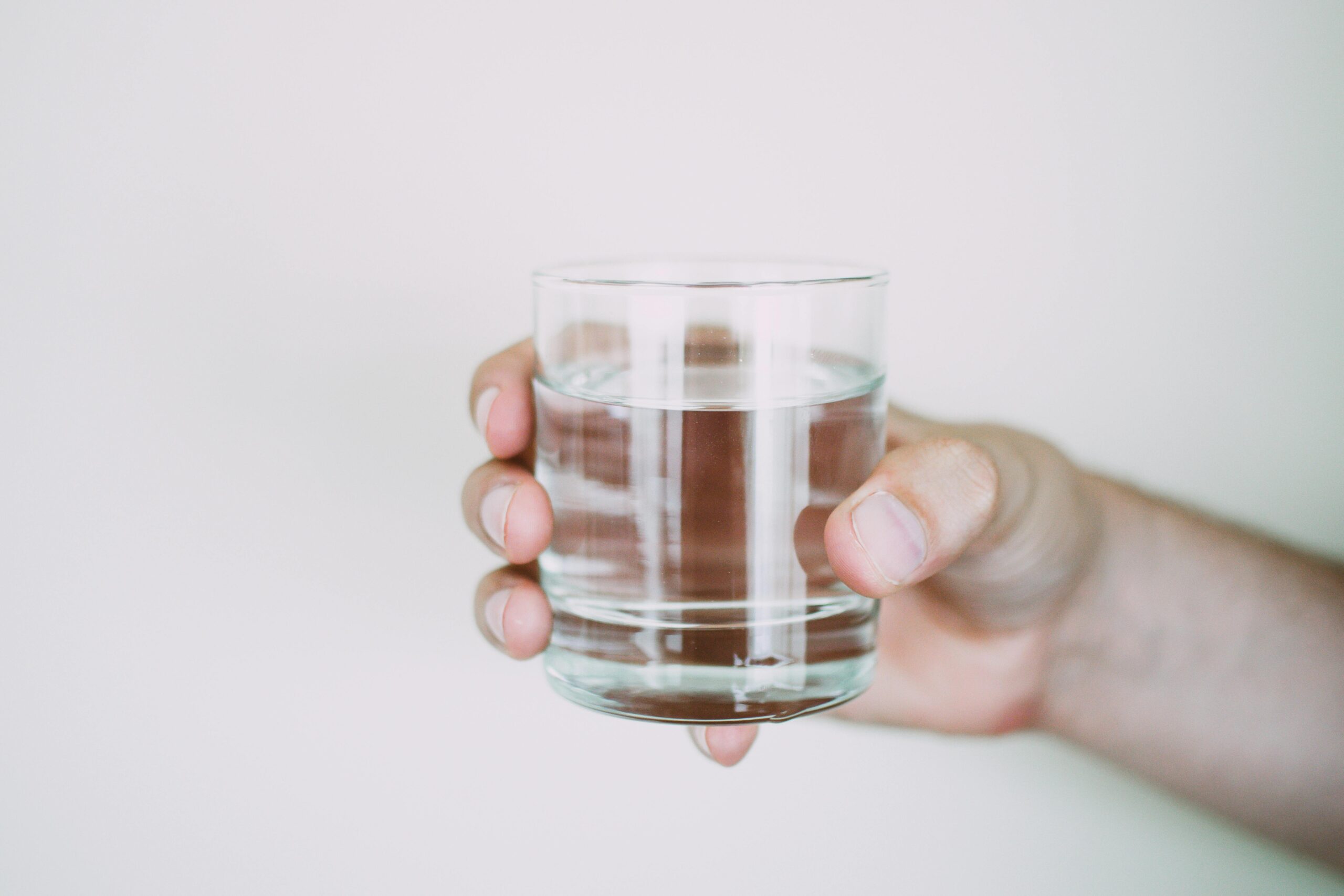
Starting your day with proper hydration sets a positive foundation for your entire fluid intake pattern. Upon waking, your body is naturally dehydrated after hours without water consumption. Drinking 16-24 ounces of water within the first hour of waking helps jumpstart your metabolism, supports cognitive function, and establishes your primary hydration window.
This morning intake doesn’t trigger bladder urgency during sleep because you have 12-16 hours before bedtime for your body to process and eliminate the fluids. Many people report increased energy levels and reduced afternoon cravings when they prioritize morning hydration.
Afternoon Hydration Tapering
As you progress through the afternoon, gradually reduce your fluid intake volume. Between noon and 4 PM, continue drinking water regularly but in smaller quantities. This maintains consistent hydration levels without creating excess fluid volume that would need processing during evening hours.
A practical approach involves consuming 8-12 ounces of water every 2-3 hours during the afternoon period. This steady, moderate intake keeps you hydrated while allowing your kidneys to maintain normal filtering operations without overload.
🌙 Evening Fluid Management for Uninterrupted Sleep
The critical period for preventing midnight wake-ups begins approximately 3-4 hours before your intended bedtime. This timeframe allows your body to process remaining fluids and empty your bladder before sleep, significantly reducing nocturia likelihood.
Implementing the “hydration cutoff” rule involves dramatically reducing fluid intake during this evening window. Rather than completely eliminating liquids, limit consumption to small sips only when necessary, totaling no more than 4-6 ounces during the final hours before bed.
Managing Evening Thirst
Many people experience increased thirst during evening hours, which can sabotage otherwise effective hydration timing strategies. This evening thirst often results from daytime dehydration, high sodium intake at dinner, or environmental factors like dry indoor air.
To manage evening thirst without compromising sleep quality, focus on several key strategies. First, ensure adequate hydration throughout the day eliminates compensatory evening drinking. Second, monitor sodium intake at dinner, as excessive salt creates dehydration signals. Third, use a humidifier in your bedroom to maintain comfortable moisture levels that reduce throat dryness.
When evening thirst persists despite these measures, opt for small ice chips that provide moisture sensation without large fluid volumes. The slow melting rate allows gradual hydration that your body can process more easily than drinking water rapidly.
🍵 Beverage Selection: What You Drink Matters as Much as When
Not all beverages impact sleep quality equally. Understanding how different drinks affect your bladder and sleep cycles helps you make informed choices throughout the day, particularly during evening hours.
Diuretic Beverages to Avoid Before Bed
Certain beverages have diuretic properties that increase urine production beyond the fluid volume consumed. Coffee, tea (including green and black varieties), alcohol, and certain herbal teas stimulate increased urination, making midnight wake-ups more likely.
Caffeine’s diuretic effect persists for 6-8 hours after consumption, meaning afternoon coffee can still impact nighttime bladder activity. Similarly, alcohol suppresses ADH production, disrupting your body’s natural nighttime urine reduction mechanism and frequently causing mid-sleep bathroom trips.
If you enjoy these beverages, schedule consumption for morning and early afternoon hours only. This timing allows diuretic effects to diminish before bedtime, reducing their impact on sleep continuity.
Sleep-Friendly Evening Beverage Options
When evening fluid intake is necessary, certain beverages prove less disruptive to sleep than others. Small amounts of warm milk, for instance, provide hydration along with tryptophan, an amino acid that supports sleep onset. Herbal teas like chamomile or valerian root (consumed in limited quantities at least 2 hours before bed) can promote relaxation without excessive diuretic effects.
Room-temperature beverages generally cause less bladder stimulation than very cold drinks, which can trigger immediate urination reflexes. If you must drink something within 2 hours of bedtime, choose lukewarm options in minimal quantities.
📊 Daily Hydration Tracking for Optimal Sleep
Monitoring your hydration patterns helps identify specific timing issues contributing to nighttime wake-ups. Many people discover they’ve unknowingly developed habits that sabotage sleep quality once they begin tracking fluid intake.
| Time Period | Recommended Intake | Percentage of Daily Total |
|---|---|---|
| 6 AM – 12 PM | 40-48 oz | 50-60% |
| 12 PM – 4 PM | 24-32 oz | 30-40% |
| 4 PM – 7 PM | 8-12 oz | 8-10% |
| 7 PM – Bedtime | 4-6 oz (sips only) | 2-5% |
These recommendations assume an average daily intake of 64-80 ounces, which meets general hydration needs for most adults. Individual requirements vary based on activity level, climate, body size, and health conditions, so adjust proportionally while maintaining the timing distribution pattern.
Using Technology to Track Hydration
Several smartphone applications help monitor fluid intake throughout the day, sending reminders during optimal hydration windows while alerting you when evening intake exceeds recommended limits. These tools can accelerate habit formation by providing real-time feedback about your drinking patterns.
🏃 Exercise Timing and Hydration Balance
Physical activity significantly impacts hydration needs and timing strategies. Exercise-related fluid loss requires replacement, but the timing of both exercise and subsequent hydration affects nighttime bathroom trips.
Morning and early afternoon workouts align perfectly with optimal hydration windows. You can aggressively rehydrate after these sessions without worrying about sleep disruption, as you have ample time for fluid processing before bedtime.
Evening exercise presents more challenges for hydration timing. Late workouts create significant fluid deficits that demand replenishment, yet post-exercise hydration occurring close to bedtime increases nocturia risk. If your schedule requires evening workouts, prioritize proactive hydration throughout the day, ensuring you enter exercise well-hydrated rather than playing catch-up afterward.
For unavoidable evening workouts, implement aggressive hydration immediately post-exercise, then taper quickly. Consume 16-20 ounces within 30 minutes of finishing, then reduce to small sips only. This approach addresses immediate rehydration needs while minimizing bedtime bladder volume.
🍽️ Food Hydration: The Hidden Fluid Source
Many people overlook the substantial water content in foods, which contributes significantly to overall hydration status. Understanding food-based hydration helps you balance total fluid intake more effectively, particularly during evening hours when direct water consumption should decrease.
Fruits and vegetables contain 80-95% water by weight. A dinner salad with cucumbers, tomatoes, and lettuce provides considerable hydration alongside nutrition. Similarly, soups, broths, and water-rich proteins like fish contribute to fluid intake without triggering the same bladder response as drinking equivalent water volumes.
Strategic incorporation of hydrating foods at dinner can satisfy evening hydration needs while reducing beverage consumption. This approach provides a practical solution for people who struggle with evening thirst or feel uncomfortable reducing fluid intake before bed.
🛏️ Pre-Sleep Bladder Emptying Routine
Establishing a consistent pre-sleep bathroom routine maximizes sleep continuity regardless of earlier hydration timing. This practice serves as your final defense against midnight wake-ups by ensuring minimal bladder volume at sleep onset.
The optimal timing for your final bathroom visit is immediately before getting into bed, not 30-60 minutes earlier during your general bedtime routine. Many people urinate while preparing for bed, then spend additional time on various activities before actually lying down. During this interval, continued fluid processing by your kidneys partially refills your bladder, increasing nighttime urgency likelihood.
A technique called “double voiding” can ensure maximum bladder emptying. After urinating normally, wait 30-60 seconds, then attempt urination again. This second effort often releases additional urine that remained in the bladder after the initial void, further reducing nighttime volume.
💊 Medical Considerations and When to Seek Professional Advice
While hydration timing adjustments eliminate nighttime wake-ups for many people, persistent nocturia despite optimized fluid intake may indicate underlying medical conditions requiring professional evaluation.
Conditions like diabetes, urinary tract infections, overactive bladder syndrome, prostate enlargement, and certain medications can cause frequent nighttime urination independent of hydration habits. If you continue experiencing multiple nightly wake-ups after implementing proper hydration timing for 2-3 weeks, consult a healthcare provider to rule out medical causes.
Similarly, certain populations require modified hydration approaches. Pregnant women, individuals with heart or kidney conditions, and people taking diuretic medications need personalized hydration strategies developed in consultation with their medical team. The general principles of timing remain relevant, but specific volumes and distributions may need adjustment based on individual medical circumstances.
🎯 Implementing Your Personalized Hydration Schedule
Transitioning from your current drinking patterns to an optimized hydration schedule requires gradual adjustment rather than abrupt changes. Sudden dramatic reductions in evening fluid intake can create uncomfortable thirst and temporary sleep disruption before benefits emerge.
Begin by tracking your current hydration patterns for 3-5 days without making changes. Note when you drink, what you drink, how much, and how many times you wake at night. This baseline data reveals specific timing issues and helps you set realistic improvement goals.
Next, implement changes progressively over 1-2 weeks. Start by shifting 25% of your evening fluid intake to morning hours. Once comfortable with this adjustment, continue gradually relocating evening consumption to earlier timeframes until you achieve the recommended distribution pattern.
Adjusting for Individual Variations
Everyone’s optimal hydration schedule varies slightly based on personal factors. Some people have naturally larger bladder capacities and can tolerate more evening fluid intake than others. Individual kidney function rates affect how quickly consumed fluids process into urine.
Experiment within the general framework to discover your personal ideal cutoff time and evening intake limits. If 3 hours before bed proves insufficient, extend your cutoff to 4 hours. If you manage well with slightly more evening fluid than recommended, that’s acceptable if you’re not experiencing nighttime wake-ups.
The goal isn’t rigid adherence to specific numbers but rather finding the personalized approach that allows you to maintain proper hydration while sleeping continuously through the night.
🌟 Long-term Benefits Beyond Better Sleep
While preventing midnight wake-ups serves as the primary motivation for optimizing hydration timing, this practice delivers numerous additional health benefits that extend far beyond improved sleep continuity.
Proper daytime hydration supports cognitive function, physical performance, and metabolic efficiency. By concentrating fluid intake during active hours when your body most needs hydration support, you enhance overall function across multiple physiological systems.
Better sleep quality resulting from fewer nighttime disruptions creates positive cascading effects throughout your life. Improved sleep enhances mood regulation, strengthens immune function, supports healthy weight management, and reduces chronic disease risk. The simple practice of strategic hydration timing thus becomes a cornerstone habit that elevates multiple aspects of health and wellness.
Many people report that establishing proper hydration timing serves as a gateway to other healthy habits. Successfully implementing this change builds confidence and momentum for addressing additional wellness areas, creating a positive cycle of health improvements.

🔄 Maintaining Consistency and Overcoming Challenges
Like any habit change, maintaining optimized hydration timing requires ongoing commitment and strategies for overcoming inevitable challenges. Social situations, travel, schedule disruptions, and simple forgetfulness can derail even well-established routines.
Setting phone reminders during peak hydration windows helps maintain consistent daytime intake, reducing evening compensatory drinking. Keeping a large water bottle at your desk or in your car makes morning and afternoon hydration convenient and visible.
During social events where evening beverage consumption is common, employ harm reduction strategies rather than abandoning your approach entirely. Alternate alcoholic drinks with water to reduce overall intake, choose beverages with lower diuretic effects, and allow extra time between your last drink and bedtime when possible.
When travel or schedule changes disrupt your routine, focus on the core principle of front-loaded hydration rather than specific timing markers. Adapt the framework to your temporary circumstances while maintaining the essential pattern of reduced evening intake.
Remember that occasional deviations from your hydration schedule won’t undo the progress you’ve made. One evening of higher fluid intake may result in a nighttime wake-up, but simply return to your established pattern the following day without guilt or discouragement.
Achieving consistently uninterrupted sleep through strategic hydration timing represents one of the most accessible and effective sleep improvements available. Unlike complex sleep protocols or expensive interventions, adjusting when you drink requires no special equipment, costs nothing, and produces results most people notice within days. By understanding the relationship between hydration timing and sleep quality, then implementing these evidence-based strategies, you can reclaim the restorative, continuous sleep your body needs for optimal health and daily functioning. Sweet dreams await when you master the simple art of drinking the right amounts at the right times! 😴