Late-night snacking has become a widespread habit in modern life, sparking debates about its effects on health, weight management, and overall well-being.

Whether you’re a night owl finishing work projects, binge-watching your favorite series, or simply feeling those familiar hunger pangs after dinner, the kitchen often calls after dark. But is answering that call helping or hurting you? The truth, like most aspects of nutrition and wellness, lies somewhere in the middle—a delicate balance between deprivation and indulgence that respects both your body’s needs and your quality of life.
🌙 Understanding the Night-Time Eating Phenomenon
Late-night snacking isn’t simply about hunger. Research shows that evening eating patterns are influenced by a complex web of factors including circadian rhythms, stress levels, social habits, and emotional states. Our ancestors didn’t have 24-hour access to food, and our bodies evolved to expect fuel primarily during daylight hours when we were most active.
Today’s always-on culture has disrupted these ancient patterns. We work longer hours, stay up later, and have unprecedented access to food at any time. The refrigerator light has become a beacon in the darkness, promising comfort, satisfaction, or simply something to do when we’re restless.
Understanding why we reach for snacks after dinner is the first step toward creating healthier patterns. Are you truly hungry, or are you bored, anxious, tired, or responding to environmental cues like food advertisements or the smell of someone else’s cooking?
The Dark Side: When Late-Night Eating Works Against You
Let’s address the elephant in the room—or rather, the cookie jar on the counter. Late-night snacking can indeed interfere with health goals when done without awareness or intention.
Weight Gain and Metabolism Disruption
Multiple studies have linked late-night eating with weight gain, though the relationship isn’t as straightforward as once believed. The issue isn’t necessarily that calories consumed after 8 PM are inherently more fattening, but rather that late-night snacking often involves:
- Consuming extra calories beyond daily needs
- Choosing highly processed, calorie-dense foods
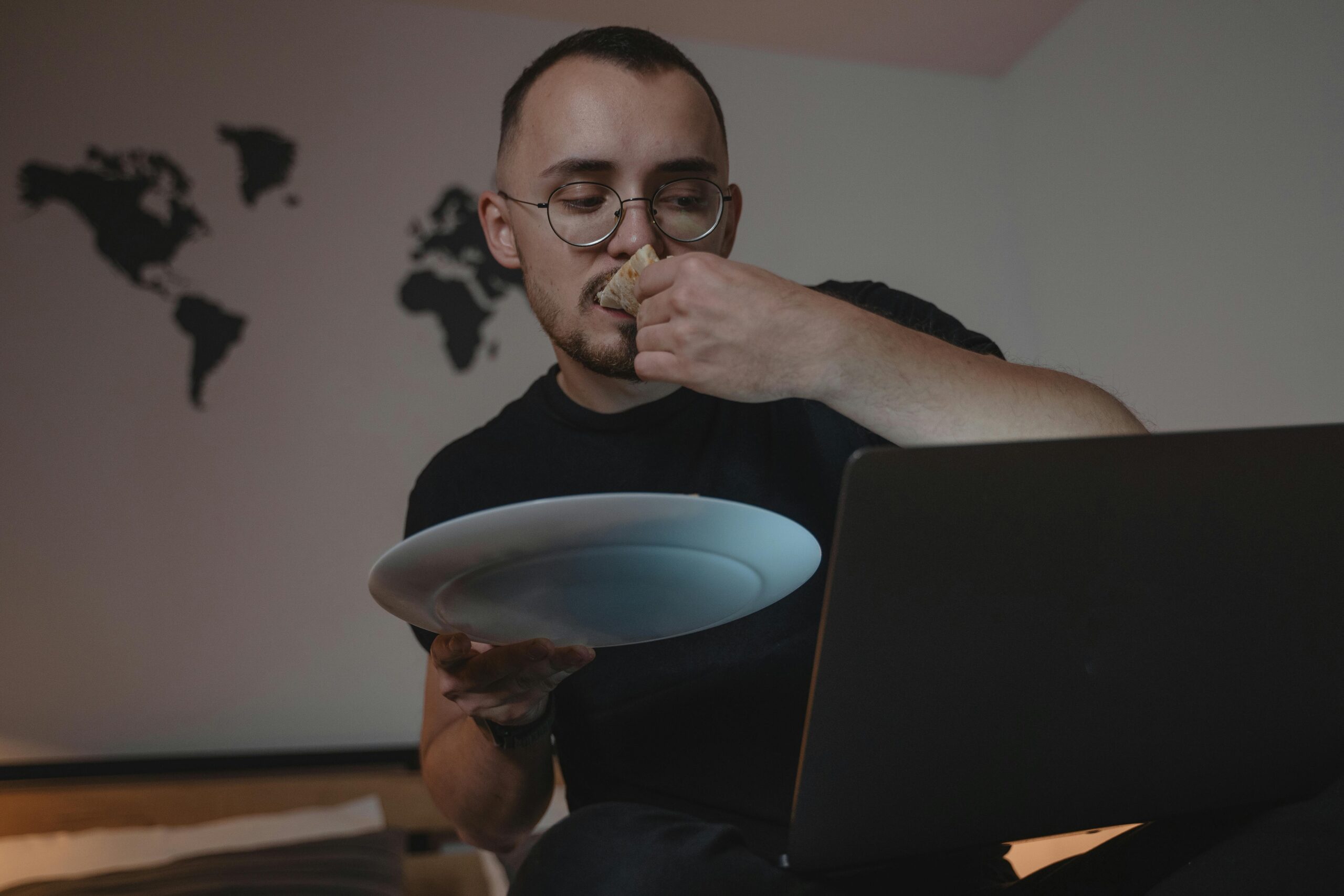
- Eating mindlessly while distracted by screens
- Disrupting the body’s natural fasting period
Your metabolism does slow during sleep, and your body shifts its focus from digestion to repair and restoration. Eating close to bedtime can interfere with these essential processes, potentially affecting how efficiently your body burns fat and regulates blood sugar.
Sleep Quality Interference
Perhaps one of the most immediate consequences of late-night eating is its impact on sleep quality. Going to bed with a full stomach can cause discomfort, acid reflux, and indigestion—all enemies of restful sleep. Certain foods are particularly problematic:
- Spicy foods that trigger heartburn
- High-fat foods that take longer to digest
- Sugary snacks that cause blood sugar spikes and crashes
- Caffeinated items that interfere with sleep onset
Poor sleep creates a vicious cycle, as sleep deprivation increases hunger hormones and cravings for high-calorie comfort foods the next day, perpetuating unhealthy eating patterns.
Breaking the Circadian Code
Your body operates on a 24-hour internal clock called the circadian rhythm, which regulates everything from hormone production to digestion. Emerging research in chrononutrition—the study of how meal timing affects health—suggests that eating out of sync with your circadian rhythm can negatively impact metabolic health, insulin sensitivity, and even cardiovascular function.
The Bright Side: When Night-Time Eating Makes Sense ✨
Before you swear off all after-dinner eating forever, consider that late-night snacking isn’t inherently bad. In fact, for some people and situations, it can be beneficial or even necessary.
Genuine Hunger and Energy Needs
If you eat dinner early, exercise in the evening, or simply have higher caloric needs, going to bed hungry isn’t virtuous—it’s uncomfortable and potentially counterproductive. Genuine hunger signals shouldn’t be ignored, as chronic under-eating can slow metabolism, disrupt hormones, and lead to disordered eating patterns.
Athletes, people with physically demanding jobs, growing teenagers, and those recovering from illness may genuinely need additional fuel in the evening hours. Listening to your body’s true hunger cues is an important aspect of intuitive eating.
Blood Sugar Stabilization
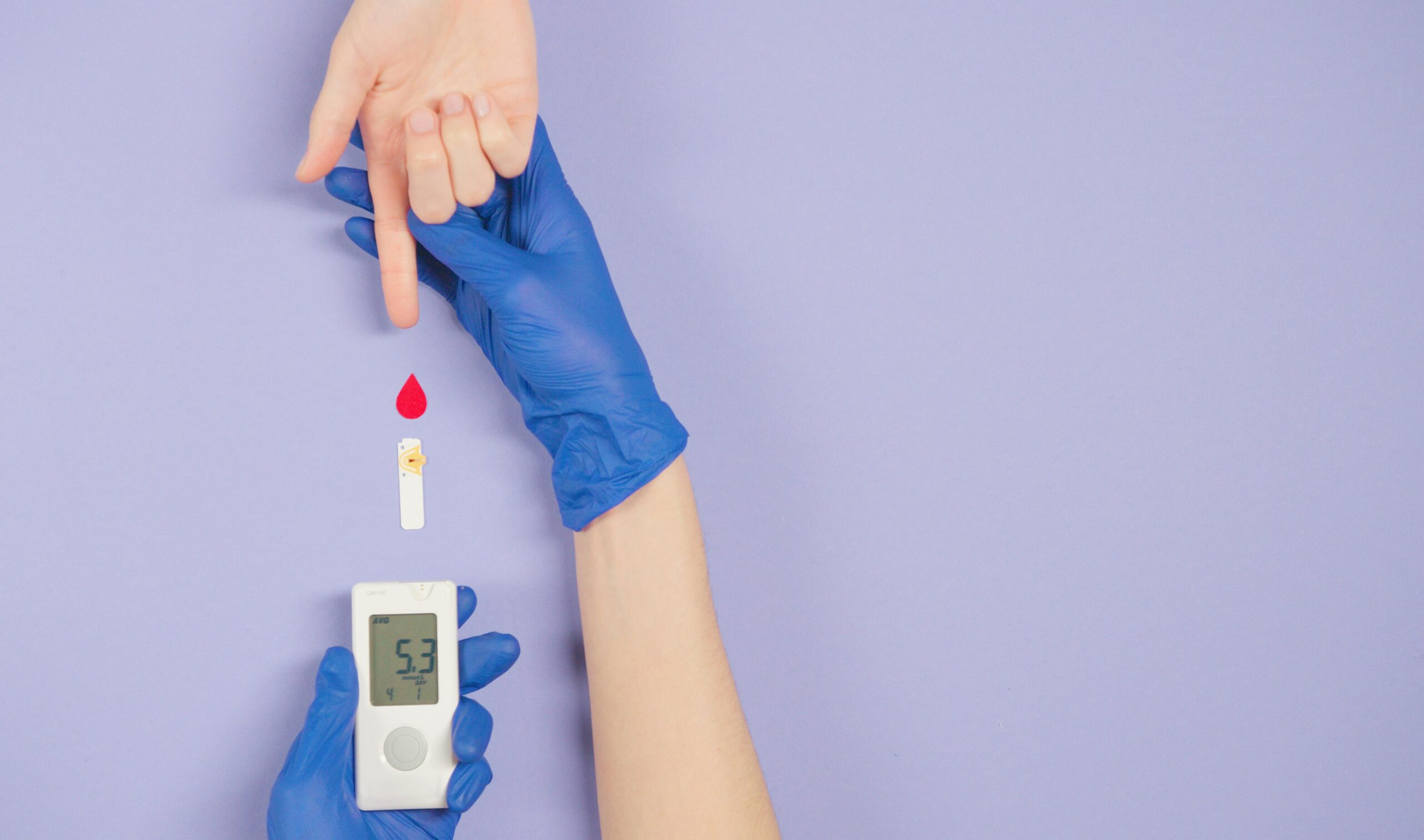
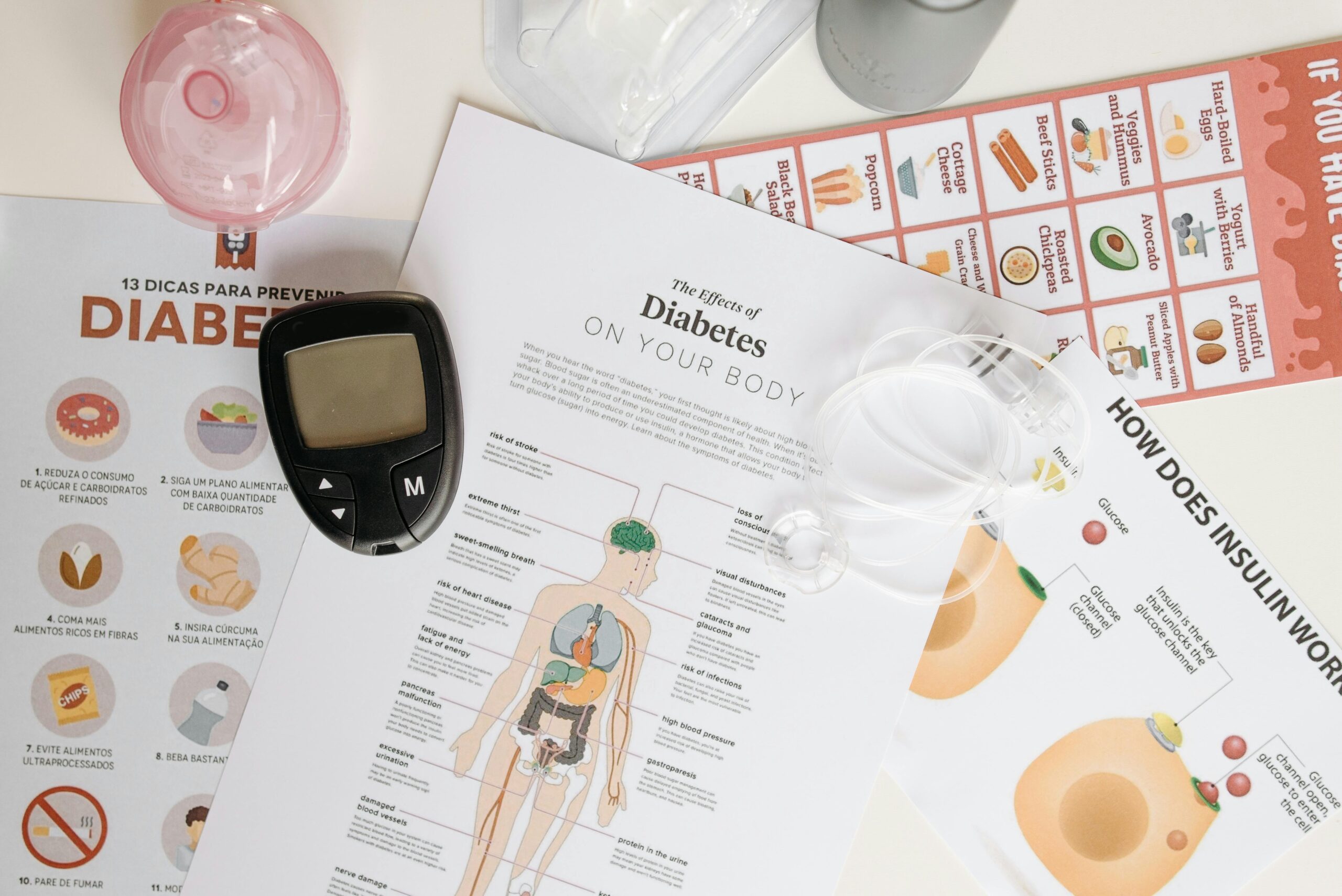
For people with diabetes, hypoglycemia, or certain metabolic conditions, a small evening snack may be medically advisable to prevent dangerous blood sugar drops during sleep. A balanced snack containing protein, healthy fat, and complex carbohydrates can help maintain stable glucose levels throughout the night.
Supporting Muscle Recovery and Growth
The “anabolic window” might be overhyped, but consuming protein before bed can support muscle protein synthesis during sleep—particularly beneficial for those engaged in strength training or trying to preserve muscle mass during weight loss. Casein protein, found in dairy products, is slowly digested and provides a steady stream of amino acids throughout the night.
Mental Health and Relationship with Food
Overly restrictive eating rules can backfire, creating an unhealthy relationship with food characterized by guilt, deprivation, and eventual rebellion. For some people, allowing flexible eating that includes occasional late-night treats actually supports better overall adherence to healthy patterns and reduces the psychological power food holds over them.
🥗 Smart Strategies for Balanced Late-Night Eating
The key to late-night snacking wisdom lies not in absolute rules but in mindful choices. Here’s how to find your personal balance.
The Timing Sweet Spot
Rather than watching the clock obsessively, create a general guideline that works with your schedule. Most experts suggest finishing eating 2-3 hours before bed to allow adequate digestion time. If you go to bed at 11 PM, aim to finish snacking by 8-9 PM.
However, this guideline should be flexible based on your individual needs, schedule, and how your body responds. Some people sleep perfectly fine after eating closer to bedtime, while others need more time.
Portion Control Without Deprivation
When you do snack at night, portion awareness becomes crucial. Instead of bringing entire packages to the couch, serve yourself a reasonable portion on a plate or in a bowl. This simple act creates natural boundaries without feeling restrictive.
Pre-portioned snacks can help, but avoid the trap of eating multiple “100-calorie packs” because they seem small. One intentional, satisfying serving is often more effective than multiple small portions eaten mindlessly.
Food Selection That Serves You
Not all late-night snacks are created equal. Choose foods that satisfy without causing digestive distress or energy spikes. The ideal late-night snack typically includes:
- Protein for satiety and muscle support
- Some healthy fat for satisfaction
- Complex carbohydrates if genuinely hungry
- Minimal added sugars and stimulants
Excellent Late-Night Snack Options
Here are some smart choices that balance satisfaction with sleep-friendliness:
| Snack Option | Why It Works |
|---|---|
| Greek yogurt with berries | High protein, probiotics, natural sweetness |
| Apple slices with almond butter | Fiber, protein, healthy fats, satisfying crunch |
| Cottage cheese with cucumber | Casein protein, hydrating, low-calorie |
| Small handful of nuts | Protein, healthy fats, magnesium for sleep |
| Herbal tea with a small piece of dark chocolate | Satisfies sweet cravings without excess sugar |
| Banana with a few walnuts | Tryptophan, magnesium, potassium—all sleep-supportive |
🧠 The Psychology of Night-Time Eating
Understanding the emotional and psychological aspects of late-night snacking is just as important as the nutritional considerations. For many people, evening eating serves purposes beyond physical hunger.
Stress and Emotional Regulation
Food provides comfort, and the evening hours—when we finally stop moving—are when stress and emotions we’ve pushed down all day resurface. Rather than judging yourself harshly for emotional eating, acknowledge what you’re truly seeking. Is it comfort? Distraction? Reward? Addressing these underlying needs with non-food solutions can reduce dependence on snacking for emotional regulation.
Habit and Environmental Cues
We’re creatures of habit, and many late-night snacking patterns are simply learned behaviors triggered by environmental cues. Sitting in a particular chair, watching TV, or reaching a certain time of evening can automatically trigger the desire to eat, even without hunger.
Breaking these associations takes awareness and consistent practice. Creating new evening routines that don’t involve food can gradually reprogram these automatic responses.
Restriction and Rebellion
Paradoxically, the more strictly you forbid late-night eating, the more appealing it often becomes. This psychological reactance—the desire to do something precisely because it’s forbidden—can sabotage the best intentions. A moderate, flexible approach often works better than rigid rules.
🌟 Creating Your Personal Late-Night Eating Philosophy
There’s no one-size-fits-all approach to late-night snacking. Your ideal strategy depends on numerous factors including your schedule, activity level, health status, goals, and personal preferences.
Self-Assessment Questions
To develop your personalized approach, honestly consider these questions:
- Do I eat dinner early enough that I’m genuinely hungry later?
- Am I eating enough throughout the day to meet my energy needs?
- Does late-night eating affect my sleep quality?
- Am I using food to address non-hunger needs like boredom or stress?
- Do I feel good physically and emotionally with my current patterns?
- Are my late-night choices aligned with my health goals?
Experimentation and Adjustment
Finding your balance requires experimentation. Try different approaches for a week or two each and notice how you feel physically, emotionally, and mentally. Some people thrive with a clear eating window (like time-restricted eating), while others do better with flexible access to food when genuinely hungry.
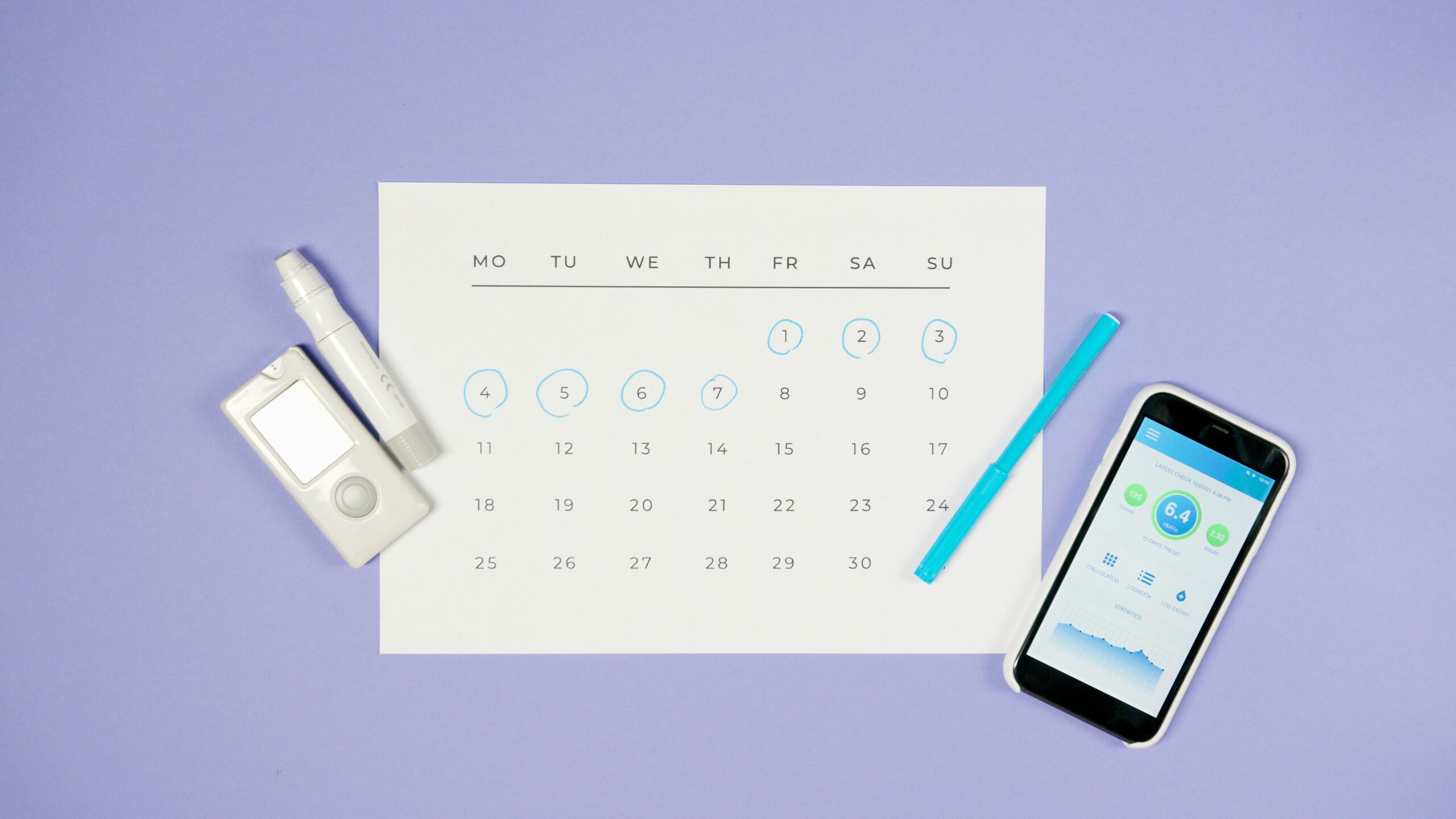
Keep a simple journal noting when you eat, what you eat, your hunger level, and how you feel afterward. Patterns will emerge that help you understand what works best for your unique body and lifestyle.
💪 Practical Implementation Strategies
Knowledge without action remains just information. Here are concrete steps to implement healthier late-night eating habits starting tonight.
Kitchen Environment Setup
Make healthy choices easier and unhealthy choices slightly more difficult. Keep nutritious snack options visible and accessible while storing less healthy options out of sight or not purchasing them regularly. This isn’t about perfection but about stacking the odds in your favor.
Mindful Eating Practices
When you do snack at night, make it a conscious choice rather than an automatic behavior. Sit at a table rather than eating in front of screens. Notice the flavors, textures, and satisfaction level. This mindful approach increases enjoyment while naturally moderating quantity.
Alternative Coping Strategies
Develop a toolkit of non-food responses to common late-night eating triggers. For boredom, try a puzzle, hobby, or calling a friend. For stress, practice breathing exercises, gentle stretching, or journaling. For tiredness, consider whether you simply need to go to bed earlier rather than seeking energy from food.
The 10-Minute Rule
When cravings strike, pause for 10 minutes before eating. Use this time to check in with yourself about true hunger versus other needs. Often cravings pass or diminish, but if you’re still hungry after 10 minutes, honor that signal with a nutritious choice.
🎯 Moving Forward with Balance and Compassion
The ultimate goal isn’t perfect adherence to someone else’s rules but developing a sustainable, enjoyable relationship with food that supports your health and happiness. Late-night snacking doesn’t have to be an all-or-nothing proposition.
Some nights you’ll make choices that align perfectly with your goals. Other nights you’ll eat ice cream on the couch at 10 PM and that’s okay too. Health is built through consistent patterns over time, not individual food choices. One night of late-night eating won’t derail your progress any more than one salad will transform your health.
The yin and yang philosophy reminds us that opposing forces are interconnected and complementary. Discipline and flexibility, structure and spontaneity, health goals and pleasure—these aren’t contradictions but necessary balances that create wholeness.
By approaching late-night snacking with curiosity rather than judgment, awareness rather than restriction, and flexibility rather than rigidity, you can find a sustainable middle path that honors both your health goals and your human need for comfort, pleasure, and nourishment at all hours of the day—and night.
Remember that your relationship with food reflects your relationship with yourself. Treat yourself with the same compassion you’d offer a good friend, make choices that serve your wellbeing most of the time, and accept that perfect balance is achieved not through constant equilibrium but through the dynamic dance of sometimes leaning one way and sometimes the other. That’s not failure—that’s being beautifully, imperfectly human. 🌙✨