That familiar wave of fatigue hitting you around 2 or 3 PM isn’t just in your head—it’s your body sending clear signals that something needs attention, and the solution might be simpler than you think.

💧 Why Your Energy Crashes After Lunch
The afternoon slump is a universal experience that transcends cultures, professions, and lifestyles. Most people blame their lunch choices, caffeine withdrawal, or natural circadian rhythms for this energy dip. While these factors certainly play a role, there’s a critical element that often goes unnoticed: dehydration.
Your body is approximately 60% water, and your brain is about 73% water. Even mild dehydration—losing just 1-2% of your body’s water content—can significantly impact cognitive function, mood, and energy levels. By mid-afternoon, many people have gone hours without adequate hydration, creating the perfect storm for fatigue.
Research published in the Journal of Nutrition found that mild dehydration can cause fatigue, reduced concentration, and headaches. The study revealed that these effects occur even before you feel thirsty, meaning your energy levels may already be compromised by the time your body signals the need for water.
The Hidden Connection Between Water and Energy Production
Understanding how hydration affects energy requires a look at cellular metabolism. Every cell in your body needs water to function optimally. When you’re dehydrated, your blood volume decreases, forcing your heart to work harder to pump oxygen and nutrients to your organs and muscles. This increased cardiovascular strain translates directly into feelings of fatigue and sluggishness.
Water also plays a crucial role in the mitochondria—your cells’ powerhouses. These tiny organelles produce ATP (adenosine triphosphate), the energy currency your body uses for virtually every function. Without adequate hydration, mitochondrial function becomes impaired, leading to reduced energy production at the cellular level.
The Domino Effect of Dehydration
When you’re not properly hydrated, several physiological changes occur simultaneously:
- Blood becomes thicker and moves more slowly through your vessels
- Oxygen delivery to muscles and brain tissue decreases
- Body temperature regulation becomes less efficient
- Nutrient absorption and waste removal slow down
- Hormonal balance shifts, affecting stress and energy hormones
- Cognitive processing speed declines noticeably
These changes compound throughout the day, with the afternoon period being particularly vulnerable because of cumulative fluid loss through breathing, sweating, and normal metabolic processes.
🕐 Strategic Hydration: Timing Matters
Simply drinking water isn’t enough—when and how you hydrate can make a significant difference in maintaining steady energy levels throughout the day. Strategic hydration involves planning your water intake around your body’s natural rhythms and needs.
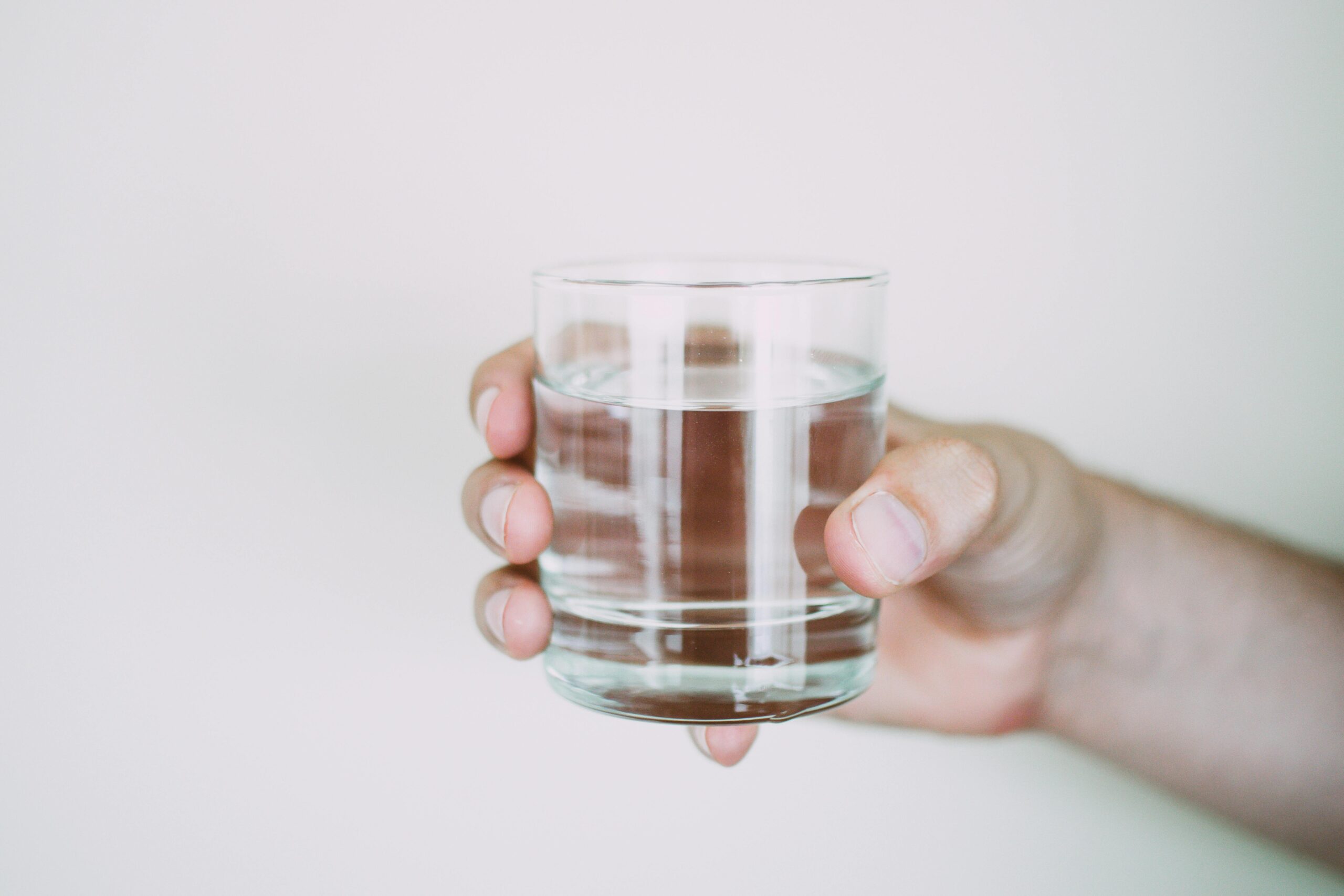
Start your day by drinking a large glass of water immediately upon waking. After 6-8 hours of sleep without fluid intake, your body is naturally dehydrated. This morning hydration kickstarts your metabolism and helps establish a baseline for the day ahead.
Throughout the morning, maintain consistent hydration by sipping water regularly rather than gulping large amounts infrequently. Your body can only absorb a certain amount of water at once, so steady intake is more effective than sporadic consumption.
The Pre-Lunch Hydration Strategy
One of the most effective tactics for preventing the afternoon slump is to drink a full glass of water 20-30 minutes before lunch. This serves multiple purposes: it ensures you’re well-hydrated going into the meal, helps with digestion, and can prevent overeating, which contributes to post-lunch fatigue.
During lunch, continue drinking water, but avoid excessive amounts that might dilute digestive enzymes. A moderate glass of water with your meal is ideal. The key is maintaining hydration without overwhelming your digestive system.
How Much Water Do You Really Need?
The old “eight glasses a day” rule is overly simplistic. Your actual hydration needs depend on numerous factors including body size, activity level, climate, and overall health. A more personalized approach yields better results.
A practical formula is to drink approximately half your body weight in ounces daily. For example, if you weigh 160 pounds, aim for 80 ounces (about 2.4 liters) of water per day. This baseline should increase with exercise, hot weather, or other factors that increase fluid loss.
Reading Your Body’s Hydration Signals
Beyond scheduled water consumption, learning to recognize your body’s hydration cues helps you stay ahead of dehydration. Thirst is actually a late-stage indicator—by the time you feel thirsty, you’re already experiencing mild dehydration.
More reliable indicators include:
- Urine color: pale yellow indicates good hydration; dark yellow suggests you need more water
- Energy levels: sudden fatigue or difficulty concentrating may signal dehydration
- Skin elasticity: pinch the back of your hand—slow return indicates dehydration
- Headaches: especially in the afternoon, often dehydration-related
- Dry mouth or lips: obvious but often ignored signs
🍋 Beyond Plain Water: Hydration Enhancers
While plain water is excellent, varying your hydration sources can make maintaining fluid intake more enjoyable and provide additional benefits. Certain beverages and foods can enhance hydration while delivering nutrients that support sustained energy.
Infused water with cucumber, lemon, mint, or berries adds flavor without calories or artificial ingredients. These natural additions can make water consumption more appealing if you struggle with plain water. The slight flavor variation throughout the day also provides sensory interest that helps you drink more consistently.
Herbal teas, served hot or cold, offer excellent hydration with the added benefits of various compounds that support energy and focus. Green tea provides gentle caffeine along with L-theanine, creating calm alertness without the jitters. Peppermint tea can improve mental clarity and digestion. Ginger tea supports circulation and has anti-inflammatory properties.
Electrolytes: The Hydration Multiplier
Water works best when accompanied by adequate electrolytes—minerals like sodium, potassium, and magnesium that regulate fluid balance in your cells. If you’re drinking plenty of water but still feeling fatigued, electrolyte imbalance might be the culprit.
You don’t need commercial sports drinks loaded with sugar and artificial colors. Natural sources of electrolytes include:
- Coconut water: naturally rich in potassium
- A pinch of high-quality sea salt in water: provides sodium and trace minerals
- Watermelon: contains both water and electrolytes
- Celery juice: naturally high in sodium and other minerals
- Bone broth: provides sodium, potassium, and other minerals
The Hydration-Food Connection
Your diet significantly impacts your hydration status. Many foods have high water content and contribute substantially to your daily fluid intake. Strategic food choices can support your hydration goals while providing sustained energy.
Fruits and vegetables with high water content include cucumbers (96% water), lettuce (95%), celery (95%), tomatoes (94%), watermelon (92%), strawberries (91%), and cantaloupe (90%). Incorporating these into your lunch or as afternoon snacks provides hydration along with vitamins, minerals, and fiber that stabilize blood sugar.
Conversely, certain foods increase dehydration. High-sodium processed foods, excessive caffeine, alcohol, and sugary foods all have diuretic or dehydrating effects. Being mindful of these choices, especially at lunch, can prevent afternoon energy crashes.
☕ The Caffeine Conundrum
Many people reach for coffee or energy drinks when the afternoon slump hits, but this approach can backfire. Caffeine is a diuretic, meaning it increases urination and can worsen dehydration if not balanced with adequate water intake.
This doesn’t mean you must avoid caffeine entirely. The key is strategic consumption combined with proper hydration. If you drink coffee or tea in the afternoon, follow each cup with a glass of water. This maintains hydration while still allowing you to enjoy caffeine’s alertness-boosting benefits.
Consider timing your caffeine intake earlier in the afternoon—around 1 or 2 PM rather than 3 or 4 PM. This provides an energy boost when you need it most while allowing caffeine to clear your system before bedtime, ensuring better sleep quality that supports the next day’s energy levels.
🏃♀️ Movement and Hydration: A Powerful Combination
Pairing strategic hydration with brief movement breaks creates a synergistic effect that powerfully combats afternoon fatigue. When you move, you increase circulation, helping deliver the water you’ve consumed to cells throughout your body more efficiently.
A simple routine: drink a glass of water, then take a 5-10 minute walk or do light stretching. This combination stimulates your cardiovascular system, improves oxygen delivery, and provides a mental break that refreshes cognitive function.
The increased circulation from movement also helps flush metabolic waste products that accumulate in tissues and contribute to feelings of sluggishness. This natural detoxification process is enhanced when you’re properly hydrated.
Creating Your Personalized Hydration Schedule
Beating the afternoon slump with hydration requires consistency and planning. Creating a personalized schedule makes proper hydration automatic rather than something you have to remember.
A sample hydration schedule might look like this:
| Time | Hydration Action | Amount |
|---|---|---|
| Upon waking | Glass of water with lemon | 16 oz |
| Mid-morning | Water or herbal tea | 12 oz |
| Before lunch | Glass of water | 12 oz |
| With lunch | Water or infused water | 8 oz |
| 2:00 PM | Large glass of water + brief walk | 16 oz |
| Mid-afternoon | Herbal tea or coconut water | 12 oz |
| Late afternoon | Water with electrolytes | 12 oz |
| Evening | Water with dinner and after | 16 oz |
Adjust this schedule based on your personal needs, activity level, and preferences. The key is establishing a routine that ensures consistent hydration throughout the day.
📱 Technology as Your Hydration Ally
In our smartphone-connected world, technology can serve as a helpful reminder and tracking tool for hydration. Several apps send notifications reminding you to drink water at regular intervals, which can be particularly helpful as you build new habits.
Water tracking apps allow you to log intake, set daily goals, and visualize your hydration patterns over time. This data-driven approach helps identify when you’re consistently falling short and correlates hydration with energy levels and productivity.
Some people find that setting simple phone alarms at key times throughout the day is sufficient. The specific tool matters less than finding a system that works for your lifestyle and personality.
🌟 The Ripple Effects of Proper Hydration
When you successfully maintain optimal hydration, the benefits extend far beyond conquering the afternoon slump. Improved energy is just the most immediately noticeable effect of a cascade of positive physiological changes.
Cognitive function improves significantly with proper hydration. Studies show that well-hydrated individuals demonstrate better concentration, faster reaction times, improved memory, and enhanced problem-solving abilities. These cognitive benefits make you more productive and effective in both professional and personal contexts.
Mood stabilization is another remarkable benefit. Dehydration has been linked to increased anxiety, irritability, and negative mood states. Maintaining proper hydration helps regulate neurotransmitter function and hormonal balance, supporting emotional equilibrium throughout the day.
Long-Term Health Implications
Beyond daily energy and performance, chronic proper hydration supports long-term health in numerous ways. It aids kidney function and toxin elimination, supports cardiovascular health by maintaining blood volume, helps regulate body temperature, lubricates joints, and supports skin health and appearance.
These long-term benefits create a positive feedback loop: as your overall health improves through consistent hydration, your baseline energy levels increase, making afternoon slumps less severe even on days when you don’t hydrate perfectly.
💪 Making Hydration an Effortless Habit
The difference between knowing about hydration and actually maintaining it lies in habit formation. Transforming conscious hydration efforts into automatic behavior ensures long-term success in beating the afternoon slump.
Environmental design makes habit formation easier. Keep a water bottle visible on your desk where you’ll see it constantly. The visual reminder prompts drinking without requiring conscious thought. Choose an attractive bottle you enjoy using—this small pleasure reinforces the habit.
Link hydration to existing habits through a technique called “habit stacking.” For example: after every bathroom break, drink water. After every meeting or task completion, take several sips. These connections to established routines make new hydration habits stick faster.
Track your progress initially to build awareness. Many people are surprised to discover how little they actually drink when they start measuring. This awareness, though sometimes uncomfortable, motivates behavior change. After a few weeks of conscious tracking, proper hydration becomes automatic.
Overcoming Common Hydration Obstacles
Despite understanding hydration’s importance, many people struggle with consistent implementation. Identifying and addressing your specific obstacles increases success rates significantly.
If you dislike water’s taste, experiment with temperature (some prefer very cold, others room temperature), try infusions with natural flavors, or use a filter to improve tap water taste. Finding even one method that makes water more appealing to you removes a major barrier.
For those who simply forget to drink, environmental modifications work best. Set multiple water stations around your home or office, use reminder apps or alarms, or link drinking to specific times or activities that already occur regularly in your day.
If frequent bathroom breaks concern you, understand that initially increased urination normalizes as your body adjusts to proper hydration. Your bladder adapts within a few weeks, and urination frequency moderates while you maintain the energy and health benefits.

🎯 Your Energy Transformation Starts Today
The afternoon slump doesn’t have to be an inevitable part of your day. By harnessing the power of strategic hydration, you can maintain steady energy levels from morning through evening, improving productivity, mood, and overall quality of life.
Start with one simple change: drink a large glass of water right now, then set a reminder to drink another in two hours. This small beginning creates momentum. As you experience the energy-boosting effects of proper hydration, motivation to continue grows naturally.
Remember that perfection isn’t the goal—consistency is. Some days you’ll hydrate better than others, and that’s completely normal. The key is making hydration a priority most of the time, allowing the cumulative benefits to transform your afternoon energy levels and overall wellbeing.
Your body is remarkably responsive to the care you provide it. Give it the water it needs, and watch as afternoon fatigue transforms into sustained vitality, focus, and energy that carries you successfully through your entire day.