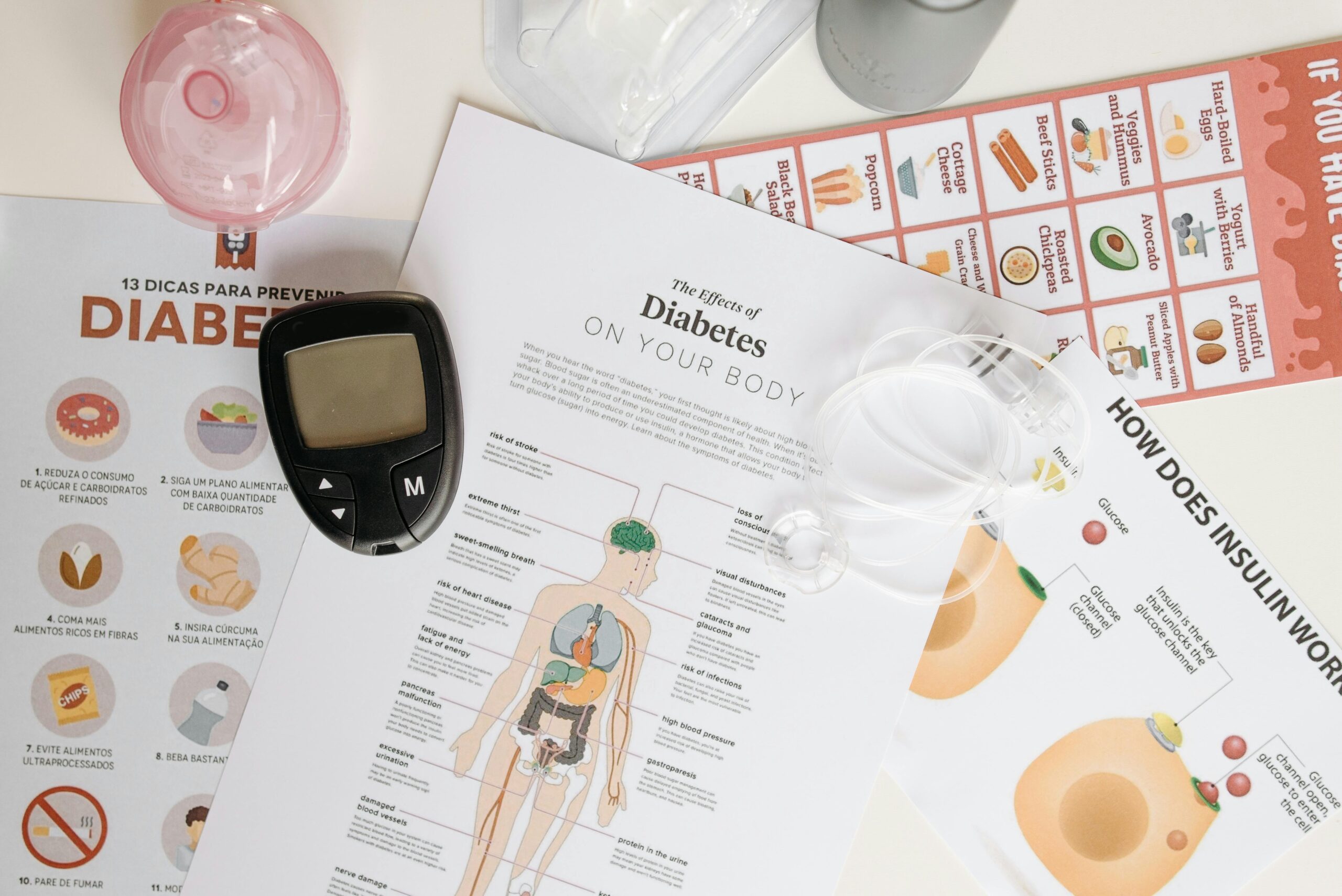
Shift work disrupts the body’s natural rhythm, making consistent meal timing nearly impossible and triggering a cascade of health consequences that extend far beyond simple hunger.

⏰ When the Clock Betrays Your Body: Understanding Circadian Disruption
Our bodies operate on an internal 24-hour clock known as the circadian rhythm, which regulates everything from hormone production to digestion. This biological timekeeper evolved over millions of years to synchronize with the natural light-dark cycle. When shift work forces us to stay awake during hours meant for sleep and rest during daylight, this fundamental system falls into chaos.
The circadian rhythm doesn’t just tell us when to feel sleepy. It coordinates the release of digestive enzymes, regulates insulin sensitivity, controls appetite hormones like ghrelin and leptin, and even determines when our metabolism runs most efficiently. Shift workers effectively ask their bodies to perform daytime functions at night, creating a biological conflict that profoundly impacts eating patterns and nutritional health.
Research consistently shows that shift workers eat at irregular times, often consuming meals when their digestive systems are least prepared to process food efficiently. A nurse eating dinner at 3 AM or a factory worker having breakfast at 4 PM isn’t simply eating at an unusual hour—they’re fighting against millions of years of evolutionary programming.
🍽️ The Broken Meal Schedule: How Shift Work Restructures Eating Patterns
Traditional meal structures dissolve under the demands of shift work. The conventional breakfast-lunch-dinner framework that society builds around becomes meaningless when your “morning” starts at sunset. This restructuring creates numerous practical and physiological challenges.
Many shift workers skip meals entirely due to time constraints, lack of appetite at unusual hours, or limited access to food during night shifts. Others compensate by grazing continuously, consuming small amounts throughout their shift without proper meal breaks. Some develop patterns of eating one large meal before or after work, inadvertently practicing an extreme form of time-restricted eating without the benefits of aligning it with circadian rhythms.
The quality of available food compounds these timing issues. Vending machines, convenience stores, and fast food restaurants become primary food sources during night shifts when healthier options remain closed. Even workers who pack meals face challenges—foods that seem appealing when prepared at home often lose their appeal at 2 AM, leading to abandoned packed lunches and impulsive poor choices.
The Social Dimension of Disrupted Meals
Beyond personal health, irregular meal times fracture the social fabric of eating. Family dinners become logistically impossible when one member works nights. Shift workers miss social gatherings, holiday meals, and the communal aspects of food that provide emotional nourishment alongside physical sustenance. This isolation can trigger emotional eating, depression, and further nutritional deterioration.
🔬 The Metabolic Consequences: When Timing Meets Biology
Eating at circadian-misaligned times doesn’t merely cause inconvenience—it fundamentally alters how the body processes nutrients. Studies using continuous glucose monitors reveal that identical meals produce different metabolic responses depending on when they’re consumed. A meal eaten at night generates higher blood sugar spikes and prolonged elevated glucose levels compared to the same meal consumed during daytime hours.
This phenomenon occurs because insulin sensitivity follows a circadian pattern, peaking during morning hours and declining toward evening. Shift workers eating carbohydrate-rich meals during their night shifts face double jeopardy: reduced insulin effectiveness combined with decreased physical activity common during sedentary night work.
The consequences extend beyond immediate blood sugar concerns. Chronic circadian misalignment promotes insulin resistance, a precursor to type 2 diabetes. Research comparing shift workers to day workers with similar diets and activity levels shows significantly higher diabetes risk among those with disrupted schedules—a difference attributed largely to meal timing rather than meal content.
The Hormonal Cascade
Disrupted meal timing triggers hormonal chaos beyond insulin. Leptin, the satiety hormone that signals fullness, becomes dysregulated in shift workers, often failing to suppress appetite effectively. Simultaneously, ghrelin—the hunger hormone—may spike at inappropriate times, creating intense cravings during night shifts when metabolism is least equipped to handle food intake.
Cortisol, the stress hormone that naturally peaks in early morning to prepare the body for waking, becomes confused under shift work conditions. Eating during physiological night hours when cortisol should be low can trigger abnormal stress responses, promoting fat storage, particularly around the abdomen where it poses the greatest health risks.
⚖️ Weight Gain and the Shift Work Spiral
The statistics are sobering: shift workers face significantly higher obesity rates than their day-working counterparts. This weight gain isn’t simply about willpower or caloric intake—it’s a complex interaction between disrupted circadian rhythms, altered meal timing, hormonal changes, and practical constraints.
Night shift workers often experience what researchers call “shift work disorder,” characterized by excessive sleepiness during work hours and insomnia during rest periods. Sleep deprivation itself independently contributes to weight gain by increasing appetite, reducing satiety, and promoting cravings for high-calorie, high-carbohydrate foods. When combined with mistimed meals, this creates a perfect storm for metabolic dysfunction.
Many shift workers gain weight despite eating similar or even fewer total calories than they consumed before starting shift work. The explanation lies in chrononutrition—the study of how meal timing affects metabolism. Calories consumed at circadian-misaligned times are more readily stored as fat and less efficiently used for energy, regardless of their quantity.
💔 Cardiovascular Complications: The Heart of the Matter
The cardiovascular system suffers particularly under the strain of shift work and irregular eating. Multiple large-scale studies link shift work to elevated risks of hypertension, heart attacks, and strokes. While multiple factors contribute, meal timing plays a significant role in this increased cardiovascular burden.
Blood pressure naturally dips during nighttime sleep—a phenomenon called nocturnal dipping that allows the cardiovascular system to recover from daily demands. Shift workers who remain awake and active at night, especially those eating meals during these hours, lose this protective dip. Over years, this sustained elevated blood pressure damages blood vessels and increases heart disease risk.
The composition of shift work meals further compounds cardiovascular risk. When exhausted at 3 AM, workers gravitate toward quick energy sources—sugary snacks, caffeinated beverages, and processed foods high in sodium and unhealthy fats. These dietary patterns, combined with circadian misalignment, accelerate atherosclerosis and inflammatory processes that underlie heart disease.
🧠 Cognitive Function and Mental Health Implications
The brain, an energy-intensive organ requiring steady glucose supply and proper nutrient timing, suffers significantly from shift work meal disruption. Cognitive performance, decision-making ability, and reaction times all decline when meals occur at circadian-inappropriate times.
This creates a dangerous feedback loop: poor nutrition and meal timing impair cognitive function, leading to worse food choices, which further degrades mental performance. Shift workers report higher rates of difficulty concentrating, memory problems, and reduced mental sharpness—symptoms partially attributable to mistimed and inadequate nutrition.
Mental health consequences extend beyond cognition. Depression and anxiety rates run significantly higher among shift workers, with disrupted eating patterns contributing to these conditions. The gut-brain axis—the bidirectional communication between digestive and nervous systems—becomes dysregulated when meals occur at unusual times, potentially affecting mood, stress resilience, and emotional regulation.
🛡️ Digestive System Under Siege
The gastrointestinal system follows strict circadian patterns for optimal function. Digestive enzyme secretion, gut motility, and nutrient absorption all peak during daytime hours and decrease at night. Shift workers forcing their digestive systems to process meals during circadian night face predictable consequences.
Indigestion, heartburn, and acid reflux plague night shift workers at higher rates than day workers. The lower esophageal sphincter—which prevents stomach acid from backing into the esophagus—weakens during nighttime hours. Eating during these periods increases reflux risk, causing discomfort that further disrupts already challenged sleep patterns.
More serious gastrointestinal conditions also show elevated prevalence among shift workers. Irritable bowel syndrome, inflammatory bowel disease, and even certain gastrointestinal cancers occur more frequently in populations with chronic circadian disruption. While multiple mechanisms contribute, mistimed meals and the resulting digestive stress play significant roles.
🍎 Strategic Solutions: Eating Smart on an Unnatural Schedule
While shift work necessitates some circadian disruption, strategic approaches to meal timing and composition can minimize health impacts. Understanding chronobiology—how biological systems respond to time-of-day signals—empowers shift workers to make informed nutritional decisions.
Anchor Your Eating Window
Rather than eating whenever hunger strikes throughout a shift, establish a consistent eating window. Research suggests limiting food intake to an 8-12 hour period, even when that window occurs during unconventional hours. This approach helps partially reset peripheral circadian clocks in organs like the liver, improving metabolic function despite shift work.
For night shift workers, this might mean eating only between 7 PM and 3 AM, then fasting during morning and afternoon hours. While not optimal compared to daytime eating, this consistency provides circadian benefits compared to random eating throughout 24 hours.
Prioritize Protein and Healthy Fats
The macronutrient composition of shift work meals matters tremendously. Protein and healthy fats provide sustained energy without the dramatic blood sugar spikes that carbohydrates cause during circadian-misaligned eating. A meal centered on lean protein, vegetables, and healthy fats at 2 AM produces more stable glucose levels and better satiety than the typical pizza or pasta option.
Reserve high-glycemic carbohydrates for the meal closest to your natural circadian daytime, when insulin sensitivity remains higher. If you sleep during afternoon hours, a carbohydrate-containing meal before sleep can support recovery and won’t face the same metabolic resistance as night-consumed carbohydrates.
Leverage Light Exposure
Light powerfully influences circadian rhythms and, consequently, how your body responds to meals. Night shift workers should maximize bright light exposure during their “daytime” (work hours) and minimize light exposure during their “nighttime” (sleep hours). This helps partially shift circadian rhythms, improving how efficiently the body processes meals during work hours.
Blackout curtains for daytime sleep, blue-light-blocking glasses before bed, and bright workspace lighting during shifts can help align internal clocks with inverted schedules, making meals consumed during work hours slightly less circadian-disruptive.
📱 Technology and Tracking: Tools for Shift Worker Nutrition
Modern technology offers shift workers unprecedented ability to track, plan, and optimize their nutrition despite challenging schedules. Meal planning apps help organize shopping lists and meal preparation during limited time off. Nutrition tracking tools reveal patterns in eating habits that might otherwise go unnoticed.
Some shift workers benefit from apps specifically designed to help manage circadian rhythm disruption, offering personalized recommendations for meal timing, light exposure, and sleep scheduling based on individual work patterns.
🏥 When to Seek Professional Support
Shift workers experiencing persistent digestive issues, unexplained weight gain, or metabolic changes should consult healthcare professionals familiar with occupational health and circadian medicine. Standard nutritional advice often fails to account for the unique challenges of shift work, making specialized guidance valuable.
Registered dietitians with expertise in shift work nutrition can develop personalized meal plans that acknowledge schedule realities while optimizing health outcomes. Occupational health physicians can screen for conditions like shift work sleep disorder and metabolic syndrome, offering interventions before problems become serious.

🌅 Looking Forward: The Path to Better Health Despite Irregular Hours
Shift work remains an economic and social necessity in our 24-hour society, but accepting its prevalence doesn’t mean accepting its health consequences as inevitable. Growing research into chronobiology and circadian nutrition provides shift workers with evidence-based strategies to protect their health despite challenging schedules.
The key lies in working with, rather than against, fundamental biology. While perfect circadian alignment remains impossible for shift workers, thoughtful approaches to meal timing, composition, and consistency can significantly reduce the metabolic, cardiovascular, and cognitive penalties of disrupted schedules.
Employers also bear responsibility for supporting shift worker health. Providing access to nutritious food options during night shifts, allowing adequate meal breaks, and designing rotation schedules that minimize circadian disruption represent practical interventions with significant health benefits.
As our understanding of how meal timing affects health deepens, shift workers gain powerful tools to protect themselves against occupational health risks. The fire that shift work fuels doesn’t need to consume your wellbeing—with knowledge, planning, and consistent application of circadian-informed strategies, you can maintain health even when your schedule defies the sun.