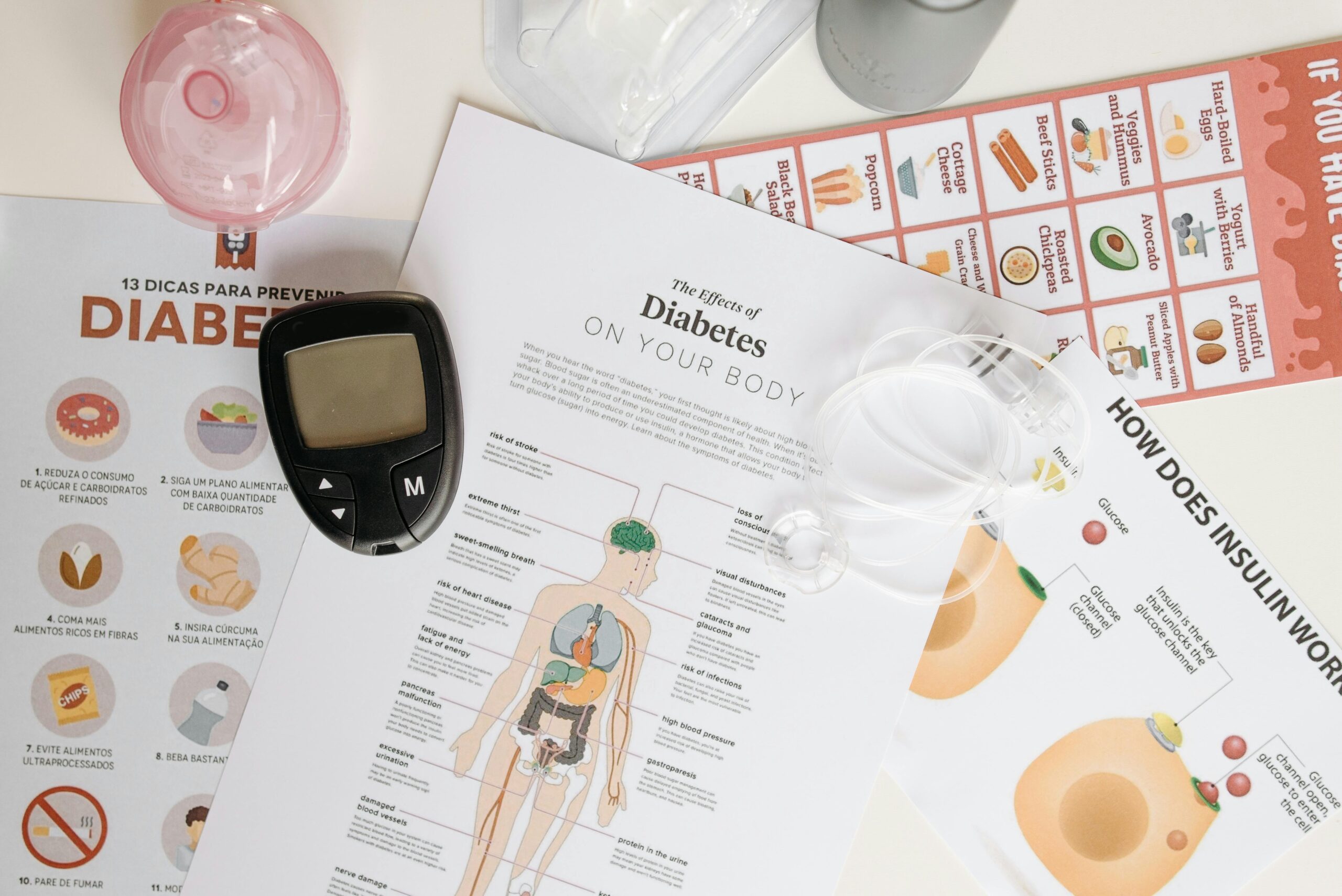
Mastering meal timing isn’t just about when you eat—it’s about building a sustainable rhythm that supports your health, energy, and fitness goals through intentional tracking.

🕐 Why Meal Timing Matters More Than You Think
The concept of meal timing has evolved significantly over recent years. Research continues to demonstrate that when you eat can be just as important as what you eat. Your body operates on a circadian rhythm—an internal clock that regulates everything from hormone production to digestive efficiency.
When you align your eating patterns with your body’s natural rhythms, you optimize nutrient absorption, stabilize blood sugar levels, and improve metabolic function. This isn’t about restrictive eating windows or complicated rules. It’s about creating awareness around your eating patterns and making intentional choices that support your wellbeing.
Studies on chrononutrition reveal that consuming calories earlier in the day when your metabolism is most active can enhance weight management efforts. Conversely, late-night eating often correlates with poorer sleep quality and reduced metabolic efficiency. Understanding these connections empowers you to make informed decisions about your meal schedule.
Understanding Your Natural Eating Patterns
Before implementing any tracking system, you need baseline information about your current habits. Most people underestimate how irregularly they eat and how this inconsistency affects their energy and mood throughout the day.
Begin by observing your natural hunger cues for at least three days without changing anything. Notice when you first feel hungry in the morning, when energy dips occur, and what times you naturally reach for snacks. This self-awareness forms the foundation for effective meal timing strategies.
Your eating patterns are influenced by numerous factors including work schedules, stress levels, sleep quality, physical activity, and social commitments. Recognizing these influences helps you design a realistic tracking approach that accommodates your lifestyle rather than fighting against it.
Identifying Your Chronotype
Your chronotype—whether you’re naturally an early bird or night owl—significantly impacts optimal meal timing. Morning types typically benefit from eating breakfast within an hour of waking, while evening types may not experience true hunger until mid-morning.
Forcing yourself into an eating schedule that conflicts with your chronotype creates unnecessary stress and makes consistency difficult. Instead, work with your natural tendencies while gradually making adjustments that support better health outcomes.
Simple Tracking Methods That Actually Work
Effective meal timing doesn’t require complex systems or expensive tools. The best tracking method is one you’ll consistently use, which means it needs to be simple, accessible, and minimally disruptive to your daily routine.
The Paper and Pen Method 📝
Never underestimate the power of analog tracking. A small notebook or even your existing planner can serve as an effective meal timing tracker. Simply jot down what time you eat each meal and any notable observations about hunger levels or energy.
This method offers several advantages. There’s no learning curve, no technology dependence, and the physical act of writing enhances mindfulness around your eating patterns. Many people find this tactile approach more satisfying than digital alternatives.
Create a simple template with time slots and checkboxes. Include space for noting hunger levels on a scale of 1-10 before eating. This additional data point helps you distinguish between true physiological hunger and eating triggered by habit, boredom, or emotions.
Smartphone Apps for Modern Tracking
Digital tracking offers convenience and powerful analytical features. Numerous applications specifically designed for meal timing provide reminders, pattern analysis, and progress visualization that paper methods cannot match.
When selecting a tracking app, prioritize simplicity over feature abundance. You want quick meal logging—ideally requiring no more than 10-15 seconds per entry. Apps that demand detailed food descriptions or calorie calculations often lead to tracking fatigue and abandonment.
Look for applications that allow customizable meal windows, send gentle reminders without being intrusive, and generate weekly summaries showing your consistency patterns. The ability to add brief notes about energy levels or food quality adds valuable context to timing data.
Calendar Integration Strategy
Your existing digital calendar can double as a meal timing tracker with minimal setup. Create recurring calendar events for your target meal times and mark them complete when you eat within those windows.
This approach integrates seamlessly into workflows you already use and provides visual feedback about consistency. Color-coding different meal types (breakfast, lunch, dinner, snacks) creates an at-a-glance overview of your eating patterns throughout the week.
The calendar method works particularly well for people who already live by their schedules. It requires no additional apps or tools, and you can easily share your meal schedule with family members or accountability partners.
Building Your Personalized Meal Schedule
Generic meal timing recommendations rarely account for individual variations in lifestyle, metabolism, and preferences. Your optimal schedule should reflect your unique circumstances while incorporating evidence-based principles.
The Three Pillars of Effective Meal Timing
Successful meal timing strategies balance three core elements: consistency, flexibility, and alignment with circadian rhythms. Consistency establishes routine and helps regulate hunger hormones. Flexibility prevents the system from becoming rigid and unsustainable. Circadian alignment optimizes metabolic efficiency.
Start by establishing target windows rather than exact times. Instead of “eat lunch at 12:00 PM,” aim for “eat lunch between 11:30 AM and 1:00 PM.” This window approach reduces stress while maintaining structure.
Consider implementing a 12-hour eating window as your baseline—for example, first meal at 7:00 AM and last meal by 7:00 PM. This schedule provides adequate overnight fasting while remaining practical for most lifestyles.
Customizing for Your Goals
Different health objectives require different timing strategies. Weight management often benefits from earlier eating windows and longer overnight fasts. Athletic performance may require strategic timing around training sessions. Blood sugar management might emphasize smaller, more frequent meals.
If improving sleep quality is your priority, establish a three-hour buffer between your last meal and bedtime. For enhanced exercise performance, experiment with pre and post-workout meal timing to identify what fuels your body most effectively.
Those managing blood sugar concerns might benefit from consistent meal spacing—eating approximately every 4-5 hours to prevent dramatic glucose fluctuations. Track your energy levels alongside meal times to identify patterns and optimization opportunities.
Overcoming Common Tracking Challenges 💪
Even the most motivated individuals encounter obstacles when implementing new habits. Anticipating these challenges and preparing strategies increases your likelihood of long-term success.
When Schedules Become Unpredictable
Irregular work schedules, travel, and social events inevitably disrupt consistent meal timing. Rather than viewing these situations as failures, treat them as opportunities to practice adaptive planning.
Establish “backup windows” for days when your ideal schedule isn’t feasible. If you typically eat dinner at 6:00 PM but have an evening commitment, prepare a substantial afternoon snack and plan for a later, lighter meal.
Track these exceptional days differently in your system. Note what made the day irregular and how you adapted. Over time, patterns emerge revealing strategies that work best for your specific disruptions.
Avoiding Tracking Fatigue
The enthusiasm that accompanies starting a new tracking system often fades after a few weeks. Prevent burnout by making tracking as effortless as possible from the beginning.
Reduce tracking to its absolute minimum viable data. You only need to record meal times—nothing more unless you find additional data genuinely valuable. Many people overcomplicate tracking with unnecessary details that create friction and eventual abandonment.
Implement periodic tracking rather than continuous monitoring. Track intensively for one week each month to check consistency, then relax tracking during the remaining weeks while maintaining your established routine.
Leveraging Data to Refine Your Approach
Collecting data serves little purpose without analysis and adjustment. Regular review sessions transform raw information into actionable insights that progressively improve your meal timing strategy.
Weekly Review Rituals
Dedicate 10-15 minutes each week to reviewing your meal timing data. Look for patterns rather than judging individual days. Which days showed the most consistency? When did you struggle? What external factors influenced your eating schedule?
Identify your consistency percentage—the proportion of meals eaten within your target windows. Aim for 80% consistency, which allows flexibility while maintaining structure. Perfectionism creates unnecessary pressure that undermines sustainability.
Notice correlations between meal timing and other variables. Do you sleep better on days when you eat earlier? Does consistent breakfast improve afternoon energy? These personal discoveries are more valuable than general recommendations.
Monthly Adjustments and Experimentation
Use monthly reviews to test small modifications. Shift one meal window by 30 minutes and observe the impact over several weeks. Add or remove a snack time based on hunger pattern observations.
Treat meal timing as an ongoing experiment rather than a fixed protocol. Your optimal schedule may change seasonally, with activity level variations, or as other life circumstances evolve. Periodic reassessment ensures your approach remains aligned with current needs.
Integrating Meal Timing with Nutrition Quality
While this article focuses on when you eat, timing works synergistically with what you eat. The most sophisticated meal schedule cannot compensate for consistently poor food choices, and excellent nutrition can be undermined by chaotic eating patterns.
Prioritize protein and fiber at each meal to enhance satiety and stabilize blood sugar between eating windows. This nutritional foundation makes consistent meal timing significantly easier by reducing mid-window hunger and cravings.
As your meal timing consistency improves, gradually shift attention toward food quality within those established windows. This sequential approach prevents overwhelm that occurs when trying to overhaul both timing and nutrition simultaneously.
Creating Supportive Environmental Cues 🏠
Your environment significantly influences eating patterns, often in ways you don’t consciously recognize. Strategic environmental design makes consistent meal timing feel natural rather than forced.
Establish meal preparation routines that align with your target eating windows. If lunch is scheduled for 12:30 PM, begin preparation at noon. These pre-meal rituals serve as behavioral anchors that reinforce timing consistency.
Use visual reminders strategically placed in locations where you typically notice them. A sticky note on your computer monitor, a phone alarm, or a specific bracelet you associate with meal awareness can prompt timely eating without requiring extensive willpower.
Communicate your meal timing goals with family members, roommates, or colleagues who share eating spaces. Social support enhances accountability and reduces situations where others inadvertently disrupt your schedule.
Measuring Success Beyond the Scale
While many people initially explore meal timing for weight management, the benefits extend far beyond body composition. Tracking these broader outcomes provides motivation that sustains the practice long-term.
Monitor energy patterns throughout your day. Consistent meal timing often eliminates the mid-afternoon crash many people consider inevitable. Notice whether you experience more stable energy as your eating schedule becomes regular.
Pay attention to hunger signal clarity. Many people discover that erratic eating patterns have dulled their ability to recognize true hunger. As consistency improves, hunger cues typically become more distinct and reliable.
Track sleep quality alongside meal timing data. Many individuals notice significant sleep improvements when they establish consistent meal schedules, particularly when they avoid eating close to bedtime.
Adapting Your System as Habits Solidify ⏰
The tracking intensity required when establishing new habits differs dramatically from maintenance mode. As meal timing becomes automatic, your tracking approach should evolve accordingly.
After consistently maintaining your meal schedule for 6-8 weeks, consider reducing tracking frequency. Spot-check one week per month or only track when you sense slipping from your routine. This lighter approach prevents tracking from becoming a permanent burden.
Some people transition to tracking only disruptions rather than successful adherence. This reverse tracking reduces daily effort while maintaining awareness of pattern breaks that might indicate emerging consistency problems.
Celebrate the transition from conscious effort to automatic habit. When you consistently eat within your target windows without deliberate thought or tracking, you’ve achieved genuine behavior change that’s likely to persist long-term.
Your Journey Toward Eating Rhythm Mastery
Mastering meal timing represents an investment in fundamental health infrastructure that supports virtually every other wellness goal. The tracking methods outlined here provide pathways to consistency regardless of your starting point or lifestyle constraints.
Remember that perfect adherence is neither necessary nor desirable. Life includes celebrations, travel, and spontaneous moments that won’t align with any schedule. The goal is establishing a reliable baseline rhythm with flexibility for exceptions.
Start with whichever tracking method feels most accessible and commit to it for at least three weeks before evaluating effectiveness. Give your chosen system a genuine trial period rather than switching approaches at the first sign of difficulty.
The relationship you build with meal timing extends beyond schedules and tracking—it’s fundamentally about listening to your body, honoring its needs, and creating structure that enhances rather than restricts your life. With consistent tracking and thoughtful adjustments, you’ll develop an intuitive eating rhythm that supports your health for years to come.