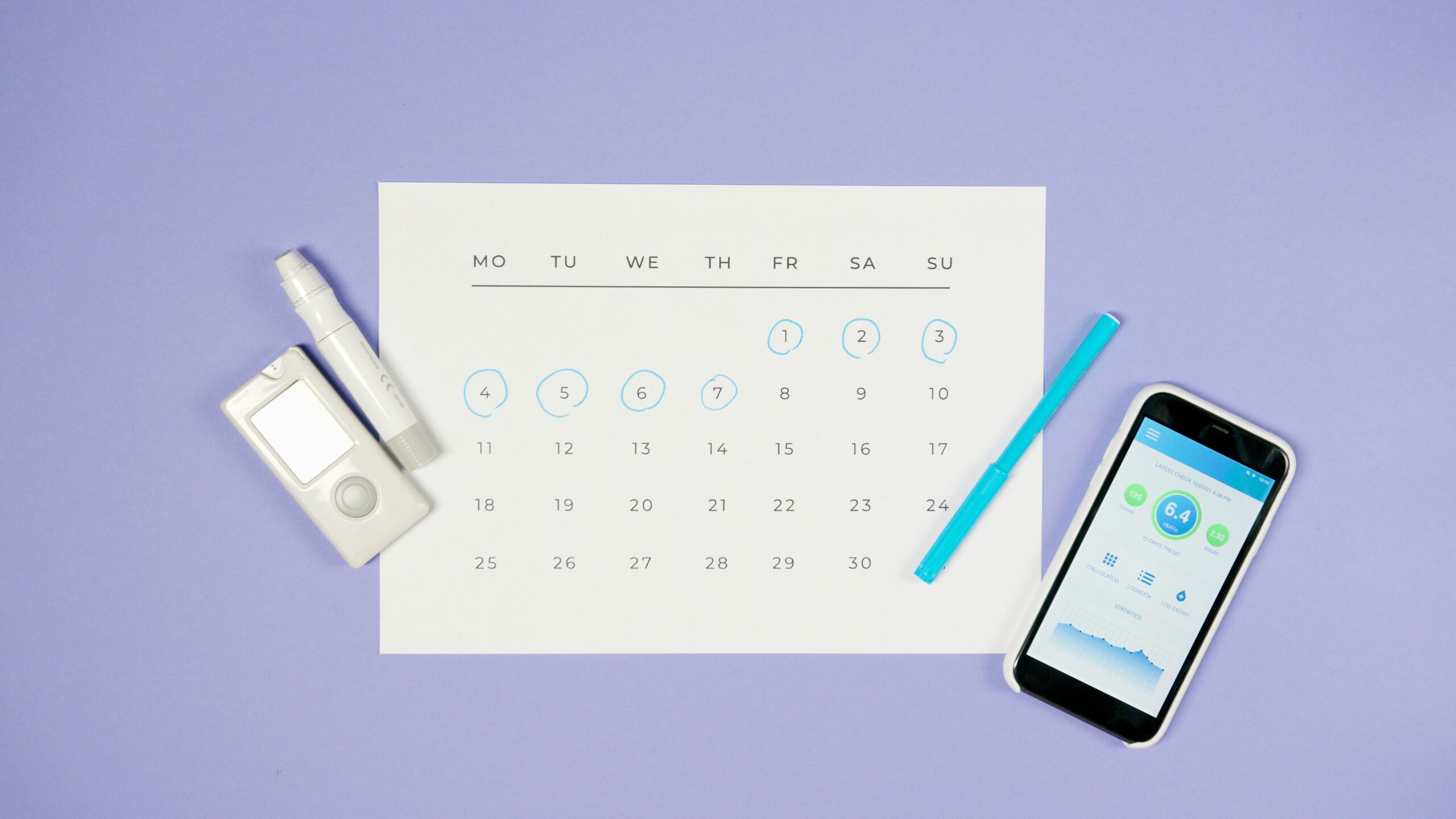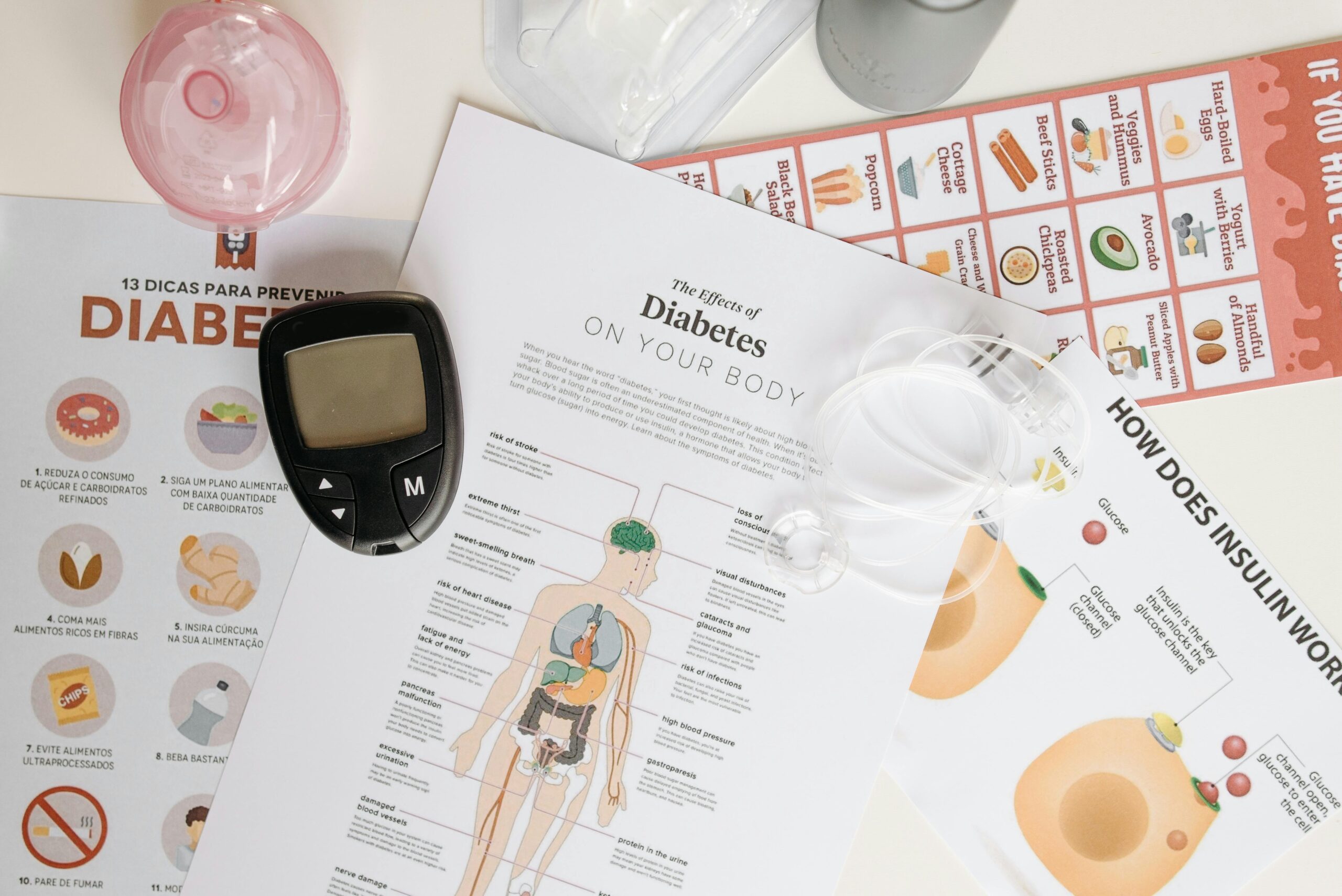
In today’s fast-paced world, finding time to prepare healthy meals can feel impossible. Clock-aligned meal planning offers a strategic approach to sync your cooking schedule with your daily rhythm, transforming mealtime chaos into organized efficiency.

🕐 Understanding Clock-Aligned Meal Planning
Clock-aligned meal planning is a revolutionary approach that synchronizes your meal preparation with your body’s natural rhythms and daily schedule patterns. Rather than following generic meal plans, this method considers your wake-up time, work hours, energy peaks, and natural hunger cues to create a personalized eating schedule that works with your life, not against it.
This strategy goes beyond traditional meal prep by incorporating chronobiology – the science of our body’s internal clock. Research shows that eating at consistent times each day can improve digestion, stabilize energy levels, and even enhance weight management. When you align your meals with your circadian rhythm, you’re not just saving time; you’re optimizing your body’s natural processes.
Why Traditional Meal Planning Falls Short for Busy Professionals
Conventional meal planning often fails because it doesn’t account for the unpredictable nature of modern schedules. You might have perfectly prepped meals in your refrigerator, but if they don’t align with your actual eating windows, they go to waste. Late meetings, early morning commitments, and varying energy levels throughout the day make rigid meal plans impractical.
The problem intensifies when you’re constantly context-switching between work tasks, family responsibilities, and personal time. Your brain is already managing multiple priorities, and deciding what to eat becomes another exhausting decision point. Clock-aligned planning eliminates this decision fatigue by creating automatic eating rhythms that become second nature.
⏰ Mapping Your Personal Eating Windows
The first step in mastering clock-aligned meal planning is identifying your natural eating windows. For the next week, track when you feel genuinely hungry – not just when the clock says it’s “lunchtime.” Notice patterns in your energy levels, productivity peaks, and when your body naturally signals for nourishment.
Most people fall into one of three chronotypes: early birds who wake energized and hungry, night owls who gain momentum as the day progresses, or hummingbirds who maintain steady energy throughout. Understanding your chronotype helps you schedule meals when your body is most receptive to food and your schedule allows for proper eating time.
Creating Your Personal Meal Time Blueprint
Once you’ve identified your eating patterns, create a visual timeline of your typical weekday and weekend. Mark fixed commitments like meetings, commute times, and family obligations. Then, identify realistic 15-30 minute windows where you can consistently eat without rushing. These become your anchor meal times.
For example, if you’re at your desk by 8 AM and have back-to-back meetings from 9-11 AM, scheduling breakfast at 7:30 AM before leaving home makes more sense than trying to eat while checking emails. Similarly, if you hit an energy slump at 3 PM, planning a substantial snack for 2:45 PM can prevent the afternoon crash.
Strategic Time Blocking for Meal Preparation 📅
Time blocking isn’t just for work tasks – it’s equally powerful for meal planning. Dedicate specific time blocks in your calendar exclusively for meal-related activities. These blocks should be non-negotiable appointments with yourself, just as important as any work meeting.
Consider implementing a three-tier time blocking system: primary prep blocks (2-3 hours on weekends), maintenance blocks (15-20 minutes daily), and assembly blocks (5-10 minutes before each meal). This structure ensures you’re never starting from scratch when hunger strikes.
The Power Hour: Weekend Batch Preparation
Designate one power hour during your weekend when you batch-prepare core ingredients that serve multiple meals. This isn’t about cooking complete dishes; it’s about creating building blocks. Cook a large batch of grains, roast several types of vegetables, prepare proteins using different seasoning profiles, and wash and chop fresh produce.
The key is versatility. Grilled chicken can become salad toppings on Monday, sandwich filling on Tuesday, and pasta protein on Wednesday. Roasted vegetables work in grain bowls, omelets, wraps, or as standalone sides. This approach provides variety without requiring different preparations for each meal.
Smart Kitchen Organization for Speed ⚡
Your kitchen setup directly impacts meal preparation efficiency. Reorganize your space based on meal assembly zones rather than traditional category storage. Create a breakfast station with coffee supplies, quick-cooking oats, and grab-and-go containers in one area. Designate a lunch assembly zone with containers, wraps, and your prepped ingredients at eye level in the refrigerator.
Invest in clear, stackable containers that allow you to see contents at a glance. Label everything with preparation dates using removable labels or dry-erase markers. This visual system eliminates the mental load of remembering what’s available and how fresh it is.
The Five-Minute Meal Formula
When time is critically short, having a five-minute meal formula saves the day. This formula consists of: one protein source + one complex carbohydrate + two vegetable portions + one healthy fat + one flavor enhancer. Keep emergency versions of each category on hand – canned fish, microwave grains, frozen vegetables, nuts, and versatile seasonings.
For example, a complete meal could be: canned salmon + microwave brown rice + steamed broccoli and cherry tomatoes + avocado slices + lemon juice and herbs. Total assembly time: under five minutes. No cooking required beyond microwaving the grain and vegetables.
Technology Tools That Actually Help 📱
The right digital tools can transform meal planning from a chore into an automated system. Look for apps that offer meal scheduling features aligned with your specific time blocks, not just generic breakfast-lunch-dinner categories.
Meal planning apps with calendar integration allow you to visualize your eating schedule alongside your work commitments. Some advanced platforms even suggest meals based on your available prep time, ingredients on hand, and dietary preferences. The best tools learn your patterns over time and make increasingly accurate suggestions.
Grocery delivery apps save precious hours that would otherwise be spent shopping. Schedule recurring orders for pantry staples and add fresh items weekly. Many services now offer saved lists and reorder options, making the process even faster. When integrated with your meal planning app, some platforms can automatically generate shopping lists from your planned meals.
🍱 Portable Meal Strategies for Maximum Flexibility
Clock-aligned planning acknowledges that you won’t always eat at home. Develop a portable meal strategy that maintains your eating schedule regardless of location. Invest in insulated containers that keep hot foods hot and cold foods cold for at least six hours.
Create “car meals” and “desk meals” that travel well and don’t require reheating. Mason jar salads with dressing on the bottom stay fresh for days. Bento-style boxes with separate compartments prevent sogginess and keep components crisp. Overnight oats, chia puddings, and cold grain bowls are equally delicious at room temperature.
The Strategic Snack System
Snacking gets a bad reputation, but strategically timed snacks prevent energy crashes and overeating at main meals. Based on your clock-aligned schedule, identify two or three ideal snack windows. Prepare snack packs in advance with balanced combinations of protein, healthy fats, and complex carbohydrates.
Keep snack packs in multiple locations: your desk drawer, car, gym bag, and refrigerator. This redundancy ensures you always have appropriate options when hunger strikes, preventing desperate vending machine raids or drive-through temptations.
Adapting Your Plan for Variable Schedules 🔄
No two weeks are identical, and your meal planning system must accommodate variability. Create template plans for different schedule types: heavy meeting days, work-from-home days, travel days, and weekend days. Each template adjusts meal complexity and timing to match the day’s demands.
On high-pressure days with back-to-back commitments, your plan might feature entirely no-cook meals assembled from prepped components. On lighter days, you might schedule a 30-minute cooking session to prepare fresh meals. This flexibility prevents the all-or-nothing thinking that causes meal planning systems to fail.
The Reset Day Concept
Implement a weekly reset day where you reassess the upcoming week’s schedule and adjust your meal plan accordingly. This doesn’t need to be time-consuming – a 10-minute review on Sunday evening is sufficient. Check your calendar for anomalies like dinner meetings, early morning commitments, or late work sessions, and adjust your meal timing and preparation accordingly.
Overcoming Common Clock-Aligned Planning Obstacles 💪
Even the best systems face challenges. The most common obstacle is unexpected schedule changes. Build buffer meals into your plan – extra prepped portions that can shift to different days when plans change. Keep a “rescue meal” kit in your freezer with complete meals that require only reheating.
Another frequent challenge is taste fatigue from eating similar meals repeatedly. Combat this by varying your flavor profiles rather than base ingredients. The same roasted chicken can taste completely different with Mediterranean seasonings one day, Asian-inspired sauce the next, and Mexican spices the third day.
Managing Social Eating Occasions
Social meals don’t have to derail your clock-aligned system. When you know a restaurant dinner is scheduled for 7 PM, adjust your earlier meals accordingly. Have a lighter lunch and include a substantial afternoon snack to prevent arriving ravenously hungry. This strategic approach lets you enjoy social occasions without compromising your overall eating rhythm.
Measuring Success and Adjusting Your System 📊
Track metrics beyond just whether you stuck to your plan. Monitor your energy levels throughout the day, noting if certain meal timings correlate with productivity peaks or slumps. Pay attention to hunger patterns – are you genuinely satisfied between meals, or constantly snacking?
After two weeks of clock-aligned meal planning, evaluate honestly. Which meal times felt natural and sustainable? Which felt forced or inconvenient? Adjust your schedule based on these observations. The goal is creating a system that feels effortless because it aligns with your natural rhythms, not fighting against them.
🌟 Building Long-Term Meal Planning Habits
Transforming clock-aligned meal planning from a conscious effort into an automatic habit takes approximately 66 days according to research. During this formation period, use visual reminders and accountability systems. Set phone alerts for meal prep blocks and eating windows until they become routine.
Pair your new meal planning habits with existing routines. If you always have coffee at 7 AM, use that time to assemble your breakfast. If you review your calendar every morning, simultaneously confirm your meal schedule for the day. These habit stacks make new behaviors more likely to stick.
The Compound Benefits of Consistency
The true power of clock-aligned meal planning reveals itself over months, not days. Consistent meal timing improves sleep quality, stabilizes blood sugar, reduces decision fatigue, and saves significant money compared to frequent takeout. You’ll notice improved focus during work hours and more energy for activities you enjoy.
Perhaps most valuable is the mental clarity gained from removing the constant “what should I eat?” question from your daily life. That mental bandwidth becomes available for creative thinking, problem-solving, and activities that truly matter to you. Your relationship with food shifts from source of stress to automatic, nourishing routine.
Creating Your Sustainable Meal Planning Future ✨
Clock-aligned meal planning isn’t a temporary diet or strict regimen – it’s a sustainable approach to nourishing yourself that respects both your body’s needs and life’s demands. Start small by implementing just one aspect: perhaps mapping your eating windows this week, or dedicating one power hour to batch prep next weekend.
As each component becomes comfortable, layer in the next element. Within a month, you’ll have a personalized system that saves hours weekly while improving your nutrition and energy levels. The initial time investment pays dividends in sustained efficiency, health benefits, and stress reduction.
Remember that perfection isn’t the goal – consistency is. Some weeks will flow smoothly while others present challenges. The difference is that you now have a flexible framework that accommodates life’s variability rather than crumbling when plans change. Your meals work with your schedule, supporting your busy life instead of adding to its complexity.
Clock-aligned meal planning transforms eating from a daily challenge into an automatic rhythm that supports your goals, health, and lifestyle. By respecting your body’s natural timing and your schedule’s realities, you create a sustainable approach to nutrition that doesn’t require superhuman willpower or hours of daily cooking. The time you save and energy you gain become resources for what matters most in your life.