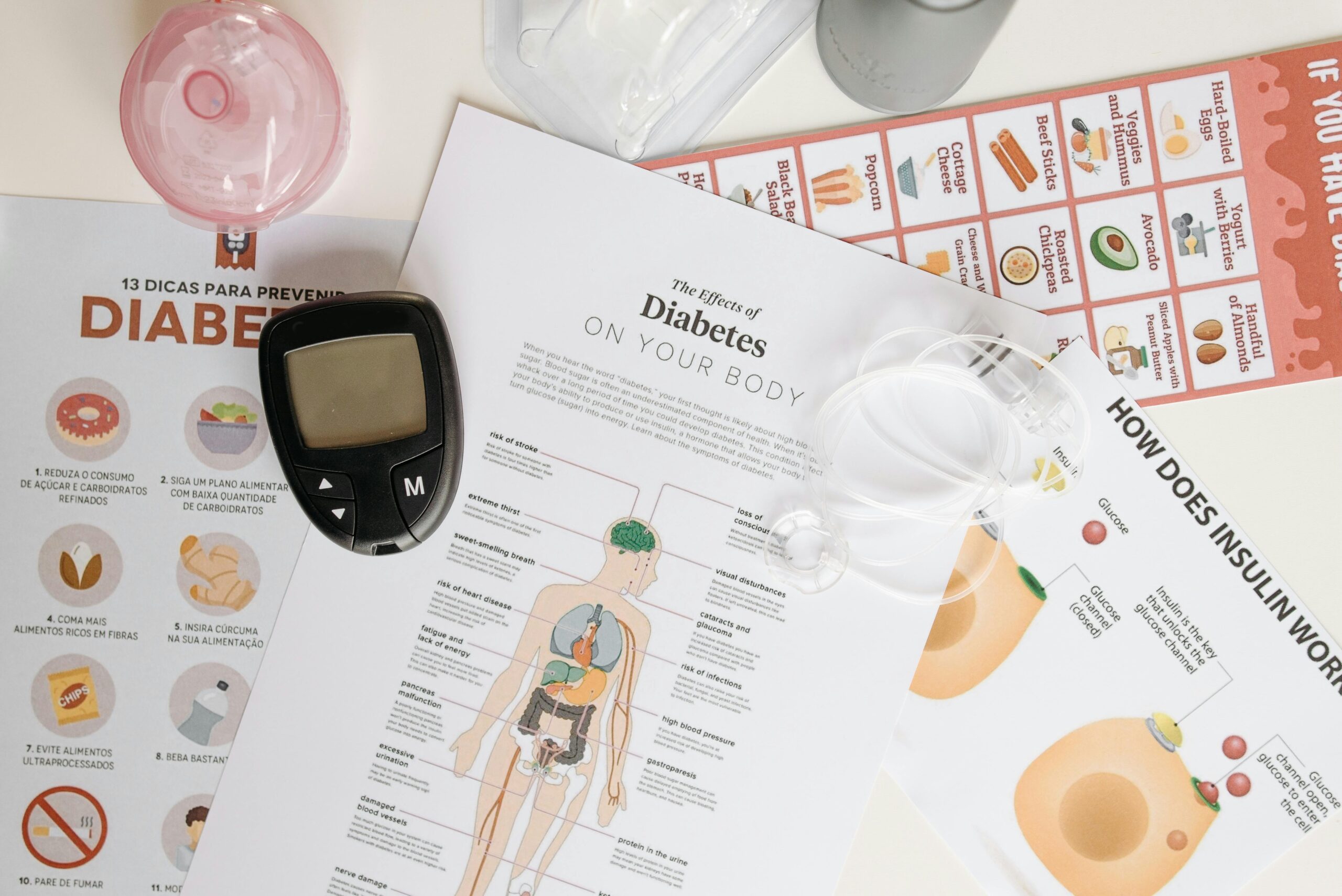
Continuous Glucose Monitoring (CGM) technology is transforming how athletes, biohackers, and health enthusiasts optimize their performance by tracking metabolic rhythms in real-time.

For decades, elite athletes have sought every possible advantage to enhance their performance. From altitude training to cryotherapy, the quest for peak human performance has driven innovation across sports science. Now, a technology originally designed for diabetes management is emerging as one of the most powerful tools for understanding and optimizing human performance: Continuous Glucose Monitoring.
CGM devices provide unprecedented insight into how our bodies respond to food, exercise, stress, and sleep. By tracking glucose levels 24/7, these small sensors reveal patterns that were previously invisible, allowing individuals to fine-tune their nutrition, training, and recovery strategies with precision previously reserved for laboratory settings.
🔬 Understanding the Science Behind CGM Technology
Continuous Glucose Monitors work by inserting a tiny sensor just beneath the skin, typically on the upper arm or abdomen. This sensor measures glucose levels in the interstitial fluid—the liquid that surrounds your cells—every few minutes throughout the day and night.
Unlike traditional finger-prick blood glucose tests that provide a single snapshot in time, CGM delivers a continuous stream of data that reveals trends, patterns, and the dynamic nature of your metabolic responses. This continuous data stream is the key to understanding your body’s unique rhythms and metabolic signature.
The technology transmits this information wirelessly to a smartphone app or receiver, where users can view their current glucose levels, historical trends, and receive alerts when levels move outside their target range. Modern CGM systems can store weeks or months of data, enabling sophisticated analysis of metabolic patterns over time.
The Glucose-Performance Connection
Glucose is the primary fuel source for your brain and muscles during intense activity. Maintaining stable glucose levels throughout the day isn’t just important for people with diabetes—it’s crucial for anyone seeking optimal cognitive function, sustained energy, and peak physical performance.
When glucose levels spike and crash, you experience energy fluctuations, brain fog, mood swings, and reduced athletic performance. These glucose variability patterns can sabotage your training, impair recovery, and prevent you from reaching your full potential.
⚡ How CGM Reveals Your Metabolic Rhythms
Your body operates on multiple interconnected rhythms—circadian rhythms that govern sleep-wake cycles, ultradian rhythms that cycle multiple times per day, and metabolic rhythms that determine how you process nutrients and generate energy. CGM technology makes these invisible rhythms visible for the first time.
By wearing a CGM for several weeks, you begin to see patterns emerge. You might discover that your glucose levels naturally rise in the early morning hours due to the dawn phenomenon, or that they dip in the mid-afternoon, explaining your daily energy crashes. You’ll see exactly how different foods affect your glucose levels, and how that response varies based on time of day, exercise timing, and sleep quality.
Identifying Your Personal Glucose Response Patterns
One of the most powerful insights from CGM is the discovery that glucose responses are highly individual. Two people can eat the same meal and have completely different glucose responses. This phenomenon, called metabolic individuality, explains why generic dietary advice often fails.
Some individuals experience dramatic spikes from white rice but handle sweet potatoes perfectly, while others show the opposite pattern. CGM allows you to identify your personal glucose response to specific foods, meal combinations, and eating schedules, enabling truly personalized nutrition strategies.
🏃 Optimizing Athletic Performance with Real-Time Data
Elite athletes and their coaches are increasingly turning to CGM to gain competitive advantages. Professional cycling teams, marathon runners, CrossFit athletes, and even professional gamers are using glucose data to optimize their training and competition strategies.
During intense training sessions, CGM reveals exactly when glucose levels begin to drop, allowing athletes to time their fueling strategies perfectly. Instead of following generic advice to consume carbohydrates every 45 minutes, athletes can fuel based on their actual metabolic needs, preventing both bonking from low glucose and sluggishness from over-fueling.
Pre-Competition Fueling Strategies
CGM data helps athletes develop precise pre-competition nutrition protocols. By testing different pre-race meals and observing glucose responses, athletes can identify which foods provide stable energy without causing disruptive spikes or crashes during critical competition windows.
Many athletes discover that their usual pre-race breakfast actually causes problematic glucose fluctuations. Armed with CGM data, they can experiment with alternatives and verify improvements in their metabolic stability before implementing changes on race day.
Training Zone Optimization
CGM can reveal how different training intensities affect glucose utilization. Low-intensity training primarily burns fat while sparing glucose, while high-intensity intervals deplete glucose rapidly. Understanding these patterns helps athletes structure training programs that develop specific metabolic adaptations.
By correlating glucose data with heart rate zones and perceived exertion, athletes can identify their optimal training intensities for different training objectives, whether building aerobic base, improving lactate threshold, or developing explosive power.
🧠 Enhancing Cognitive Performance and Mental Clarity
The brain is an extraordinarily glucose-hungry organ, consuming approximately 20% of your daily glucose despite representing only 2% of body weight. Stable glucose levels are essential for maintaining focus, decision-making ability, and cognitive performance throughout the day.
Knowledge workers, executives, students, and creative professionals are discovering that CGM can help them identify and eliminate the dietary patterns that cause afternoon brain fog, difficulty concentrating, and mental fatigue. By maintaining stable glucose levels, they report improved focus, enhanced creativity, and sustained mental energy.
Meal Timing for Optimal Productivity
CGM reveals how meal timing and composition affect cognitive performance. Large, carbohydrate-heavy lunches often cause glucose spikes followed by crashes that coincide with the dreaded afternoon slump. By adjusting meal composition and timing based on CGM data, many individuals eliminate this productivity killer entirely.
Some users discover that eating their largest meal earlier in the day, when insulin sensitivity is naturally higher, results in better glucose stability and sustained afternoon energy. Others find that smaller, more frequent meals work better for their metabolic profile.
💤 Improving Sleep Quality Through Glucose Management
The relationship between glucose regulation and sleep quality is bidirectional and powerful. Poor sleep impairs glucose metabolism, while unstable nighttime glucose can disrupt sleep quality. CGM provides insights into this connection that were previously impossible to obtain.
By monitoring overnight glucose patterns, users can identify whether nighttime hypoglycemia (low glucose) is causing them to wake up, or if late-night eating is causing disruptive glucose spikes. Armed with this information, they can adjust their evening nutrition to promote more stable overnight glucose and better sleep quality.
Evening Eating Windows and Glucose Stability
CGM data often reveals that eating too close to bedtime causes elevated glucose levels during the early sleep hours, potentially disrupting sleep architecture and reducing sleep quality. Many users find that closing their eating window 3-4 hours before bed promotes better overnight glucose stability and more restorative sleep.
This insight has profound implications for recovery, as sleep is when the body performs critical repair and adaptation processes. Optimizing overnight glucose stability through strategic meal timing can enhance recovery from training, improve immune function, and support overall health.
🍽️ Personalizing Nutrition Based on Metabolic Response
Perhaps the most transformative application of CGM is the ability to test and verify the effects of different dietary approaches on your unique metabolism. Rather than following trending diets or generic recommendations, you can use objective data to determine what actually works for your body.
CGM allows you to conduct personal experiments: comparing low-carb versus moderate-carb approaches, testing the effects of intermittent fasting, evaluating different pre-workout nutrition strategies, or determining which foods cause problematic glucose responses for you specifically.
Food Combination Effects
CGM reveals fascinating insights about how food combinations affect glucose responses. Adding protein, fat, or fiber to a carbohydrate-containing meal typically reduces the glucose spike compared to eating the carbohydrate alone. The magnitude of this effect varies by individual and can be quantified precisely with CGM data.
Some users discover that adding a tablespoon of olive oil or a handful of nuts to their breakfast dramatically smooths their glucose curve, preventing mid-morning energy crashes. Others find that eating vegetables before the carbohydrate portion of their meal reduces the glucose response.
📊 Interpreting Your CGM Data for Actionable Insights
While CGM provides enormous amounts of data, the key is transforming that information into actionable strategies. Several metrics help users interpret their glucose data effectively:
- Time in Range (TIR): The percentage of time your glucose stays within your target range (typically 70-140 mg/dL for non-diabetics). Higher TIR correlates with better metabolic health and more stable energy.
- Glucose Variability: Measures how much your glucose fluctuates throughout the day. Lower variability generally indicates better metabolic control and more stable energy levels.
- Peak Glucose Response: The maximum glucose level after meals. Consistently high peaks may indicate suboptimal food choices or meal composition.
- Post-Meal Glucose Slope: How quickly glucose returns to baseline after meals. Faster returns generally indicate better metabolic flexibility.
Setting Personalized Glucose Targets
For individuals without diabetes, optimal glucose ranges differ from clinical targets. Many performance-focused CGM users aim to keep glucose between 70-120 mg/dL most of the time, with occasional excursions up to 140 mg/dL after meals. These tighter ranges are associated with optimal energy, cognitive function, and long-term metabolic health.
However, targets should be individualized based on your goals, activity level, and metabolic health. Athletes in heavy training may accept higher glucose variability during and after intense sessions, while someone focused on weight management might prioritize minimizing glucose spikes.
🔄 Creating Feedback Loops for Continuous Improvement
The true power of CGM emerges when you use it to create rapid feedback loops, testing interventions and immediately observing results. This approach accelerates learning and optimization in ways that were previously impossible.
For example, you might test whether a morning workout on an empty stomach improves or impairs your glucose stability throughout the day. Within 24 hours, you have clear data to inform your decision. Compare this to traditional approaches that rely on subjective feelings or require weeks of consistency before outcomes become apparent.
Exercise Timing Experiments
CGM enables precise optimization of exercise timing relative to meals. Some individuals find that exercising before breakfast enhances fat oxidation and metabolic flexibility, while others perform better with some glucose on board. Rather than guessing, CGM provides objective data about what works for your metabolism.
You can also identify the optimal post-workout nutrition window by observing how different timing and composition of post-exercise meals affect glucose recovery and stability. This personalized approach is far superior to following generic recommendations.
🌟 Beyond Glucose: Secondary Insights from CGM
While CGM directly measures glucose, the technology provides insights into many other aspects of health and performance. Glucose patterns serve as a window into stress levels, recovery status, hormonal fluctuations, and overall metabolic health.
Users often notice that glucose levels are less stable during periods of high psychological stress, even when diet and exercise remain constant. This reveals the powerful connection between stress hormones and glucose regulation, providing early warning signs when stress management interventions are needed.
Tracking Recovery Status
Glucose variability and fasting glucose levels can indicate recovery status. When you’re well-recovered, glucose regulation is typically smooth and efficient. During periods of overtraining or insufficient recovery, many athletes notice increased glucose variability and elevated fasting glucose levels.
This insight allows for more intelligent training periodization. When CGM data suggests incomplete recovery, you can prioritize rest or reduce training intensity, preventing overtraining and optimizing long-term progress.
⚠️ Practical Considerations and Getting Started
While CGM technology offers tremendous benefits, there are practical considerations to understand before beginning. Most CGM sensors last 10-14 days before requiring replacement, and costs vary depending on the system and whether insurance covers the device.
For individuals without diabetes, CGM is typically not covered by insurance, making it an out-of-pocket expense. However, several companies now offer CGM access specifically for performance and wellness optimization, often at more accessible price points than medical-grade systems.
Choosing the Right CGM System
Several CGM systems are available, each with different features, accuracy profiles, and user experiences. Popular options include the Abbott FreeStyle Libre, Dexcom G6 and G7, and various wellness-focused CGM programs that combine sensors with coaching and interpretation support.
When selecting a CGM system, consider factors such as sensor lifespan, accuracy during exercise, app functionality, integration with other health tracking tools, and whether you want raw data access or prefer guided interpretation with coaching support.
🚀 The Future of Metabolic Monitoring
CGM technology continues to evolve rapidly, with next-generation sensors becoming smaller, more accurate, and longer-lasting. Future developments may include non-invasive glucose monitoring, integration with other continuous biomarkers like lactate or ketones, and artificial intelligence that provides proactive recommendations based on your patterns.
As the technology becomes more accessible and affordable, CGM is poised to become a standard tool for anyone serious about optimizing their health and performance. The ability to see inside your metabolism in real-time represents a fundamental shift from guesswork to precision in human performance optimization.
The democratization of this technology means that insights previously available only to elite athletes with teams of scientists are now accessible to anyone willing to invest in understanding their unique metabolic rhythms. This represents a genuine revolution in how we approach nutrition, training, and performance optimization.
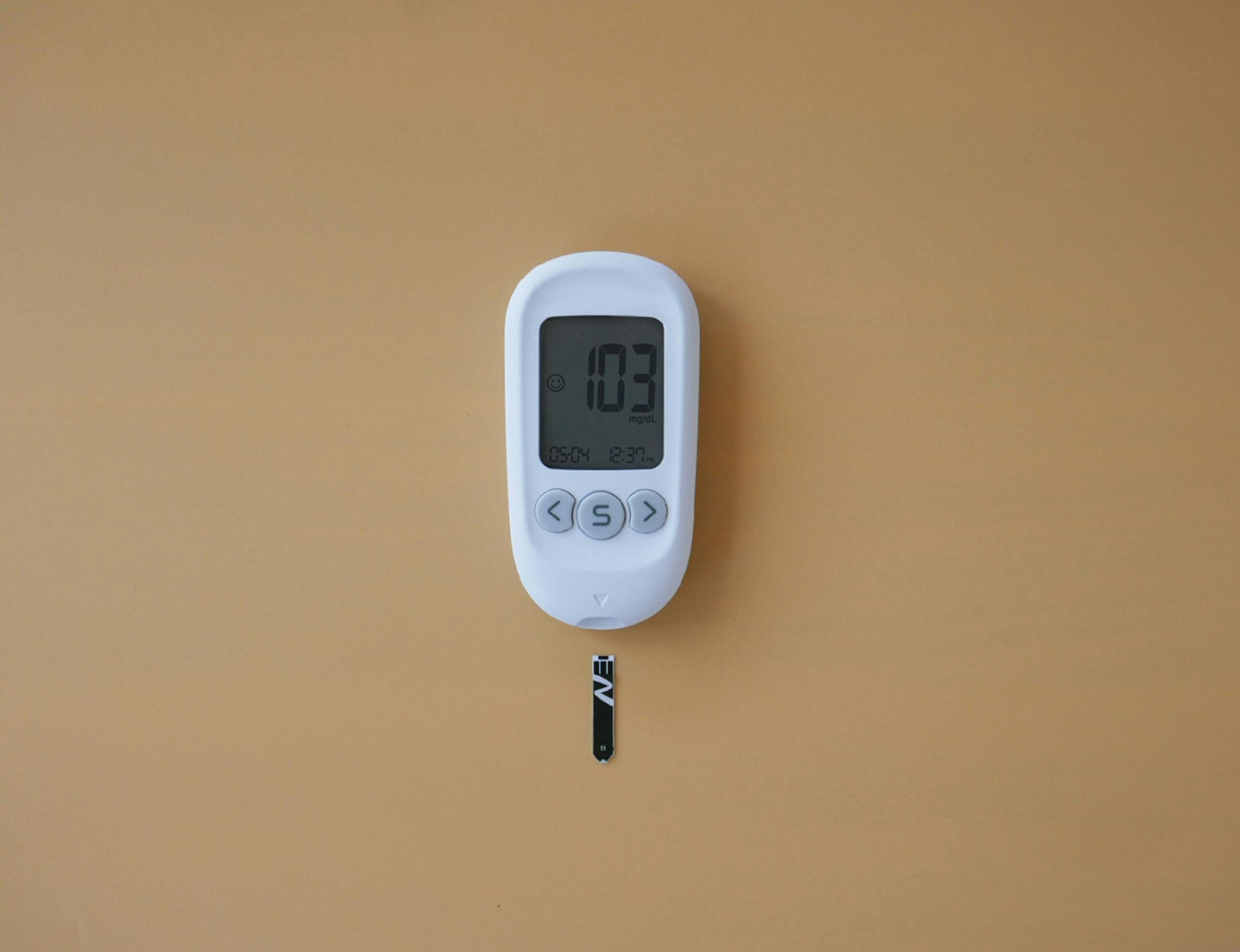
🎯 Implementing Your CGM Strategy
If you’re ready to unlock the power of CGM for performance optimization, start with clear goals. Are you primarily interested in athletic performance, cognitive function, weight management, or overall metabolic health? Your goals will guide how you interpret data and which interventions to prioritize.
Begin with a baseline period of 1-2 weeks where you maintain your normal routine while observing your glucose patterns. This establishes your metabolic baseline and helps you identify obvious patterns or problems. Then systematically test interventions one at a time, giving each change several days to evaluate its effects.
Document your findings in a journal or spreadsheet, noting which foods, meal timings, exercise protocols, and lifestyle factors produce optimal glucose stability for you. Over time, you’ll build a personalized playbook of strategies that work for your unique metabolism.
The journey of metabolic optimization through CGM is ongoing. Your metabolism changes with training adaptations, aging, stress levels, and countless other factors. Regular check-ins with CGM—whether wearing a sensor continuously or periodically throughout the year—help you stay attuned to your evolving metabolic needs and maintain peak performance over the long term.
By embracing this technology and committing to the process of metabolic self-discovery, you’re joining the forefront of the performance optimization revolution. The insights you gain will not only enhance your immediate performance but also contribute to long-term metabolic health, potentially reducing your risk of metabolic disorders and extending your healthspan.