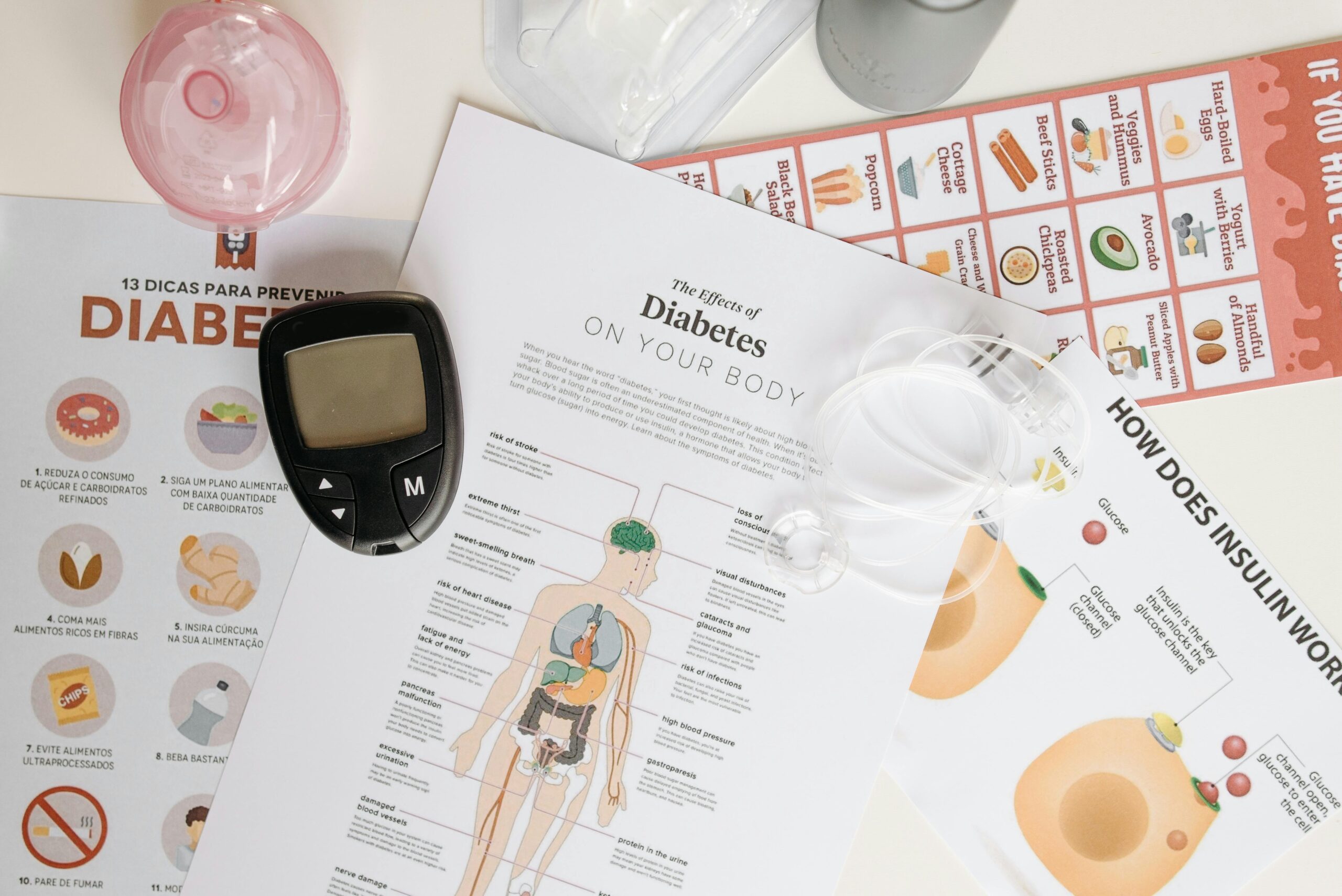
Glucose tracking technology has revolutionized diabetes management, but with digital health innovations comes the critical responsibility of protecting personal health data and ensuring ethical use.

🔒 The Digital Health Data Revolution: Why Privacy Matters Now More Than Ever
The landscape of diabetes management has transformed dramatically over the past decade. Continuous glucose monitors (CGMs), smartphone applications, and cloud-based health platforms have made tracking blood sugar levels more convenient and accurate than ever before. However, this convenience comes with significant privacy implications that every user should understand.
When you use a glucose tracking app or device, you’re not just recording numbers. You’re creating a detailed profile of your daily habits, eating patterns, exercise routines, medication adherence, and overall health status. This information is incredibly valuable—not just for your healthcare provider, but potentially for insurance companies, pharmaceutical firms, data brokers, and even malicious actors.
The question isn’t whether glucose tracking technology is beneficial—it undoubtedly is. The real question is: how can we harness these powerful tools while maintaining control over our most sensitive health information?
📊 Understanding What Data Your Glucose Tracker Actually Collects
Most users don’t realize the extensive scope of data collection happening through their glucose monitoring systems. Beyond the obvious blood sugar readings, these platforms typically gather:
- Precise timestamps and location data for each reading
- Meal composition and caloric intake information
- Physical activity levels and exercise patterns
- Medication dosages and timing
- Sleep patterns and quality metrics
- Stress levels and mood indicators
- Device usage patterns and behavioral data
- Social connections and data-sharing preferences
This comprehensive data collection creates what privacy experts call a “health data shadow”—a detailed digital representation of your life that may reveal more than you intended to share. Understanding what’s being collected is the first step toward protecting your privacy.
⚖️ The Ethical Framework: What Responsible Data Use Should Look Like
Ethical data use in glucose tracking isn’t just about legal compliance—it’s about respecting human dignity, autonomy, and the fundamental right to privacy. Companies developing and managing these platforms should adhere to key ethical principles.
Transparency and Informed Consent
Users deserve clear, accessible information about data collection practices written in plain language, not buried in lengthy legal documents. True informed consent means understanding not just what data is collected, but who can access it, how it will be used, how long it will be stored, and what happens if you want to delete it.
Data Minimization and Purpose Limitation
Ethical platforms collect only the data necessary for the stated purpose—helping you manage your glucose levels. They don’t harvest additional information for secondary commercial purposes without explicit permission. Your health data shouldn’t become a commodity without your knowledge and consent.
Security by Design
Protection shouldn’t be an afterthought. Ethical glucose tracking platforms build security into their architecture from the ground up, using encryption, secure authentication methods, regular security audits, and rapid response protocols for potential breaches.
🛡️ Practical Steps to Protect Your Glucose Tracking Privacy
While systemic change is necessary, you don’t have to wait for perfect solutions. There are concrete actions you can take today to enhance your privacy while still benefiting from glucose tracking technology.
Audit Your Current Apps and Devices
Start by reviewing every glucose-related app on your phone. Check the privacy settings, review what permissions you’ve granted, and assess whether each app still serves a purpose. Many people accumulate health apps over time without regularly evaluating their necessity or trustworthiness.
Look specifically for apps that request permissions unrelated to their core function. Does your glucose tracker really need access to your contacts, microphone, or photo library? If the connection isn’t obvious, it’s worth questioning.
Master Your Privacy Settings
Most glucose tracking platforms offer privacy controls, but they’re often hidden or set to the least restrictive options by default. Take time to explore these settings and customize them according to your comfort level.
Consider limiting data sharing with third parties, disabling location tracking when not essential, opting out of research participation if you’re uncomfortable, and restricting social features that might expose your health status.
Strengthen Your Digital Security Habits
Privacy and security are interconnected. Protecting your glucose data requires solid digital hygiene practices across all your devices and accounts.
- Use strong, unique passwords for each health-related account
- Enable two-factor authentication wherever available
- Keep all apps and devices updated with the latest security patches
- Be cautious about connecting glucose apps to social media accounts
- Regularly review connected devices and revoke access for unused ones
- Use encrypted communication channels when sharing health data with providers
🔍 Red Flags: Identifying Unethical Data Practices
Not all glucose tracking platforms prioritize user privacy equally. Learning to identify warning signs can help you avoid services that may mishandle your sensitive health information.
Be wary of apps with vague or confusing privacy policies that use excessive legal jargon without clear explanations. If you can’t understand how your data will be used after reading the policy, that’s a significant red flag.
Platforms that make it difficult to delete your account or data, require excessive permissions unrelated to core functionality, or frequently change their terms of service without clear notification deserve extra scrutiny.
Additionally, if a glucose tracking service is free but offers no clear explanation of their business model, your data may be the product. While not all free services misuse data, understanding how they sustain operations is important for informed decision-making.
💡 The Role of Regulation in Protecting Health Data Privacy
Individual action is important, but systemic privacy protection requires robust regulatory frameworks. Different regions have implemented varying approaches to health data protection, each with distinct strengths and limitations.
HIPAA and the American Approach
In the United States, the Health Insurance Portability and Accountability Act (HIPAA) provides some protection for health information, but significant gaps exist. HIPAA primarily covers healthcare providers, insurers, and their business associates—but many consumer health apps fall outside this regulatory umbrella.
This means the glucose tracking app on your phone might not be subject to HIPAA regulations, leaving your data with fewer legal protections than information shared directly with your doctor.
GDPR and the European Model
The European Union’s General Data Protection Regulation (GDPR) takes a more comprehensive approach, treating health data as a special category requiring enhanced protection regardless of who collects it. This regulation grants individuals stronger rights to access, correct, and delete their personal data.
While GDPR specifically applies to EU residents, its influence has extended globally as many international companies have adopted GDPR-compliant practices to simplify operations.
Emerging Frameworks and Future Directions
Many regions are developing new regulations specifically addressing digital health data. These emerging frameworks recognize that traditional healthcare privacy laws weren’t designed for the age of smartphones, wearable devices, and cloud computing.
Effective future regulation will likely need to balance innovation encouragement with robust privacy protection, ensuring that the tremendous benefits of glucose tracking technology don’t come at the cost of fundamental privacy rights.
🌐 Data Sharing for Research: Balancing Privacy and Progress
One of the most complex ethical questions in glucose tracking involves research data sharing. Aggregated glucose data from thousands or millions of users could accelerate diabetes research, improve treatment protocols, and ultimately save lives. But this potential benefit must be balanced against individual privacy rights.
Ethical research data sharing requires truly anonymized data, where individual users cannot be re-identified; explicit opt-in consent rather than automatic enrollment; transparency about how research data will be used and by whom; and regular communication about research outcomes enabled by user contributions.
Some platforms offer tiered consent options, allowing users to choose their comfort level—from no research sharing at all to fully anonymized aggregate data contribution to participation in specific research projects with detailed information about each study.
👨⚕️ Working With Healthcare Providers: Privacy in Clinical Settings
Glucose tracking data becomes most valuable when shared appropriately with your healthcare team. However, this sharing process introduces additional privacy considerations that deserve careful attention.
Before connecting your glucose tracking app to your healthcare provider’s electronic health record system, understand what data will be shared, how frequently it will sync, who on the healthcare team will have access, and how long the data will be retained in clinical systems.
You have the right to share glucose data selectively. Just because a platform allows comprehensive data sharing doesn’t mean you must enable all features. Work with your healthcare provider to determine what information is clinically necessary versus optional.
🚀 The Future of Privacy-Conscious Glucose Tracking
The future of glucose monitoring doesn’t require choosing between technological innovation and privacy protection. Emerging technologies and approaches demonstrate that we can have both.
Privacy-Enhancing Technologies
Innovative technical solutions are being developed to enable the benefits of glucose tracking while minimizing privacy risks. Federated learning allows algorithms to improve by learning from distributed data without collecting it centrally. Differential privacy adds mathematical noise to datasets, enabling useful analysis while protecting individual privacy.
Edge computing processes data locally on your device rather than sending it to remote servers, and homomorphic encryption enables computation on encrypted data without decryption, allowing analysis while maintaining confidentiality.
User-Controlled Health Data Ecosystems
A growing movement advocates for health data ecosystems where individuals maintain ownership and control over their information. In this model, you would store your glucose data in a personal health record system you control, granting temporary, specific access to providers, apps, or researchers as you see fit.
This approach inverts the current paradigm where companies control your data and you request access to it. Instead, you control your data and decide who can access it, for what purposes, and for how long.
💪 Empowering Yourself: Building Digital Health Literacy
Protecting your privacy in glucose tracking ultimately requires ongoing education and engagement. Digital health literacy—understanding how health technologies work, what risks they present, and how to use them safely—is becoming as important as traditional health literacy.
Stay informed about privacy issues by following trusted health privacy advocacy organizations, reading technology news from reputable sources, and participating in patient communities where experiences and insights are shared.
Don’t hesitate to ask questions. When considering a new glucose tracking platform, contact their support team with privacy questions. Their responsiveness and the quality of their answers tell you a lot about their commitment to user privacy.
Remember that you have power as a consumer. Companies respond to user demands. By prioritizing privacy in your purchasing decisions and providing feedback to developers, you contribute to a market environment where privacy-conscious platforms can thrive.
🌟 Creating Your Personal Privacy Strategy
Every person’s privacy needs and comfort levels differ. Creating a personal privacy strategy for glucose tracking means reflecting on your own values, risks, and priorities.
Consider what information you’re comfortable sharing and with whom. Think about your specific risk factors—are you in a profession where health information could affect your career? Do you live in a region with limited health privacy protections? Are you concerned about insurance discrimination?
Your strategy should be dynamic, not static. Technology evolves, regulations change, and your own circumstances shift over time. Regularly revisit your privacy choices to ensure they still align with your current situation and values.

🤝 Building a Healthier Tomorrow Through Ethical Innovation
The promise of glucose tracking technology extends far beyond individual health management. When implemented ethically, these systems can transform our understanding of diabetes, enable personalized medicine, reduce healthcare costs, and improve quality of life for millions of people worldwide.
Realizing this promise requires commitment from all stakeholders. Technology companies must prioritize privacy by design and transparent practices. Regulators need to develop adaptive frameworks that protect individuals without stifling innovation. Healthcare providers should advocate for patients’ data rights and implement secure sharing practices.
Most importantly, individuals must stay engaged and informed, demanding better privacy protections while embracing the genuine benefits these technologies offer. Privacy and innovation aren’t opposing forces—they’re complementary goals that together can create a healthier tomorrow.
The future of glucose tracking lies not in choosing between health insights and privacy protection, but in insisting on both. By understanding the risks, demanding ethical practices, and taking concrete steps to protect our information, we can participate in the digital health revolution without sacrificing our fundamental right to privacy.
Your health data is deeply personal. It reveals intimate details about your daily life, your body, and your well-being. You deserve platforms that treat this information with the respect and protection it requires. By staying informed, asking critical questions, and supporting ethical data practices, you contribute to a healthcare ecosystem where technology serves humanity without compromising our dignity or autonomy.