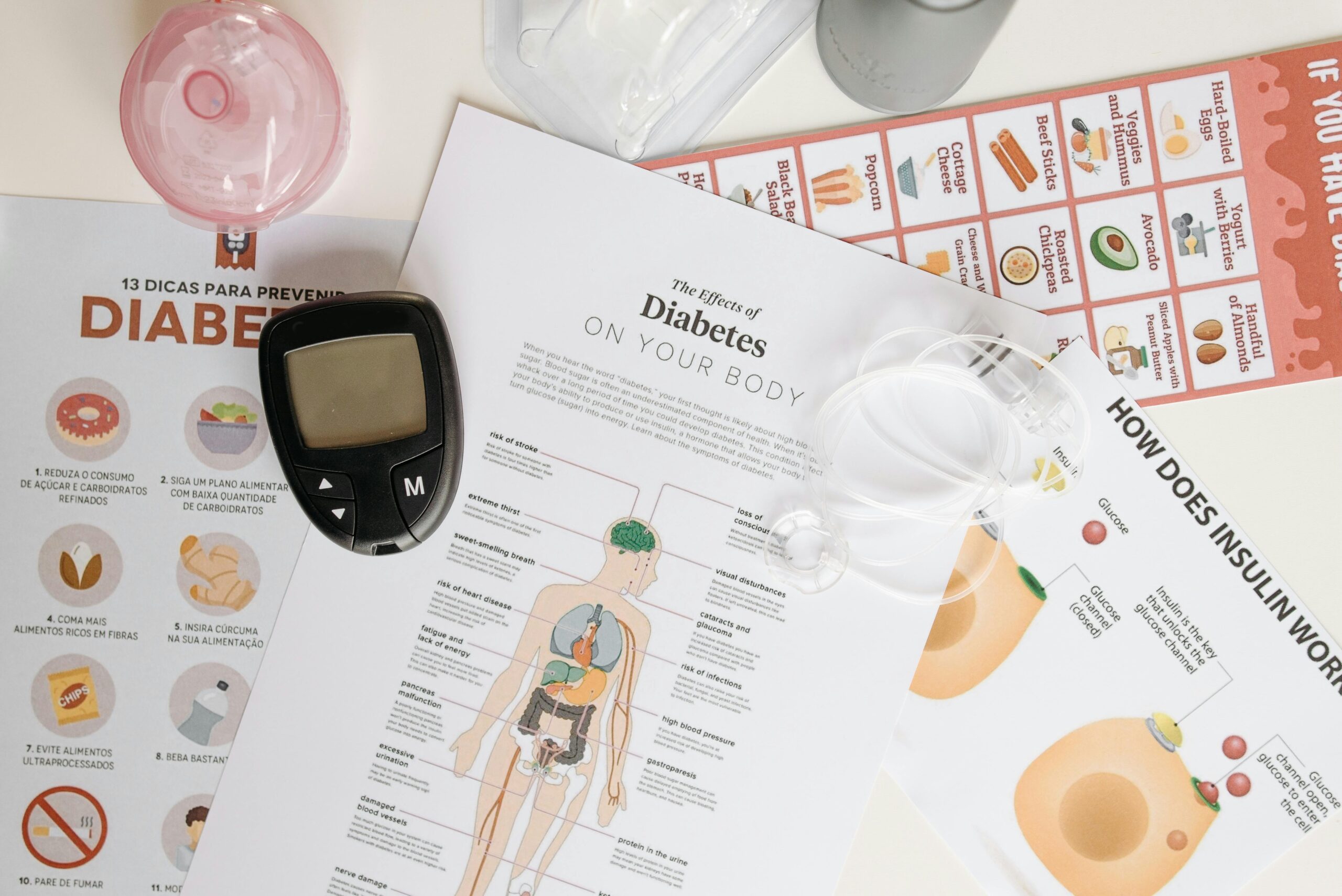
Understanding how different foods affect your blood sugar can transform your energy levels, mood, and overall health throughout the day.

Every meal you consume triggers a complex biochemical response in your body, with blood sugar levels rising and falling in patterns that directly influence how you feel and function. The composition of your meals—the balance of carbohydrates, proteins, fats, and fiber—plays a crucial role in determining whether you’ll experience sustained energy or the dreaded mid-afternoon crash.
For millions of people worldwide, managing blood sugar isn’t just about avoiding diabetes or metabolic disorders. It’s about optimizing daily performance, maintaining consistent energy, improving mental clarity, and supporting long-term health. The foods you choose and how you combine them can mean the difference between thriving through your day and merely surviving it.
🩸 The Blood Sugar Basics: What Happens After You Eat
When you consume food, your digestive system breaks down carbohydrates into glucose, which enters your bloodstream. This triggers your pancreas to release insulin, a hormone that helps cells absorb glucose for energy or storage. The speed and magnitude of this blood sugar rise depends entirely on what you’ve eaten.
Simple carbohydrates like white bread, sugary drinks, and pastries cause rapid spikes in blood glucose, followed by equally dramatic drops. This rollercoaster effect leads to energy crashes, increased hunger, mood swings, and over time, can contribute to insulin resistance and type 2 diabetes.
Complex carbohydrates, proteins, healthy fats, and fiber create a gentler, more gradual increase in blood sugar. This steady release provides sustained energy, better appetite control, and improved metabolic health. Understanding this fundamental difference is the key to fueling your day effectively.
The Macronutrient Trio: How Each Affects Your Blood Sugar
Carbohydrates: The Primary Driver 🌾
Carbohydrates have the most direct and immediate impact on blood glucose levels. However, not all carbs are created equal. The glycemic index (GI) measures how quickly a carbohydrate-containing food raises blood sugar levels.
High-GI foods include white rice, white bread, potatoes, and most processed snacks. These are digested quickly, causing rapid blood sugar spikes. Low-GI foods such as whole grains, legumes, most fruits, and non-starchy vegetables are digested more slowly, resulting in gradual, sustained increases in blood glucose.
The glycemic load (GL) provides an even more accurate picture by considering both the quality and quantity of carbohydrates in a serving. A food might have a high GI but low GL if the serving size contains relatively few carbs.
Protein: The Stabilizer 🥩
Protein has minimal direct effect on blood sugar levels, but it plays a crucial role in blood glucose management. When consumed alongside carbohydrates, protein slows down digestion and the absorption of glucose into the bloodstream.
Protein also promotes satiety, helping you feel fuller for longer and reducing the likelihood of overeating or reaching for sugary snacks. Additionally, protein stimulates the release of hormones that support insulin function and can improve your body’s ability to manage blood sugar effectively.
Quality protein sources include lean meats, fish, eggs, dairy products, legumes, nuts, and seeds. Incorporating protein into every meal is one of the most effective strategies for maintaining stable blood sugar throughout the day.
Fats: The Moderator 🥑
Like protein, dietary fats have little direct impact on blood glucose but significantly influence how your body responds to carbohydrates. Fats slow gastric emptying—the rate at which food leaves your stomach—which delays glucose absorption and creates a more gradual blood sugar response.
Healthy fats from sources like avocados, nuts, seeds, olive oil, and fatty fish provide sustained energy without spiking blood sugar. They also help with the absorption of fat-soluble vitamins and support hormone production, both essential for metabolic health.
However, not all fats are beneficial. Trans fats and excessive saturated fats can contribute to insulin resistance over time. Focus on unsaturated fats, particularly omega-3 fatty acids, for optimal blood sugar management and overall health.
Fiber: The Unsung Hero of Blood Sugar Control 🌱
Dietary fiber deserves special attention for its remarkable impact on blood glucose regulation. This indigestible component of plant foods slows carbohydrate absorption, reduces post-meal blood sugar spikes, and improves insulin sensitivity.
Soluble fiber, found in oats, beans, apples, and citrus fruits, forms a gel-like substance in your digestive tract that slows glucose absorption. Insoluble fiber, present in whole grains, vegetables, and wheat bran, adds bulk to your diet and supports digestive health.
Studies consistently show that high-fiber diets are associated with better blood sugar control, reduced diabetes risk, and improved cardiovascular health. Adults should aim for at least 25-30 grams of fiber daily, yet most people consume far less.
Meal Timing and Frequency: When You Eat Matters ⏰
The timing and distribution of your meals throughout the day significantly influence blood sugar patterns and metabolic health. Eating at consistent times helps regulate your body’s circadian rhythms and improves insulin sensitivity.
Breakfast plays a particularly important role. Starting your day with a balanced meal that includes protein, healthy fats, and complex carbohydrates sets the foundation for stable blood sugar throughout the day. Skipping breakfast often leads to overeating later and more dramatic blood sugar fluctuations.
The debate between eating frequent small meals versus fewer larger meals continues, but research suggests that meal consistency matters more than frequency. What’s most important is avoiding long periods without food followed by large meals, which can overwhelm your body’s glucose management systems.
Building the Perfect Blood Sugar-Friendly Plate 🍽️
Creating meals that support stable blood sugar doesn’t require complicated calculations or restrictive diets. A simple framework can guide your food choices and portions effectively.
The balanced plate method offers an easy visual guide:
- Half your plate: Non-starchy vegetables like leafy greens, broccoli, peppers, tomatoes, and cauliflower
- One quarter: Lean protein such as chicken, fish, tofu, eggs, or legumes
- One quarter: Complex carbohydrates including whole grains, sweet potatoes, or beans
- A serving of healthy fat: Avocado, nuts, seeds, or olive oil
This composition naturally creates a meal with a balanced macronutrient profile that supports gradual glucose release, sustained energy, and optimal satiety. It’s flexible enough to accommodate various dietary preferences and cultural cuisines.
Strategic Food Combinations for Optimal Energy 💪
The way you combine foods can be just as important as the individual foods themselves. Certain combinations enhance blood sugar stability while others can exacerbate fluctuations.
Pairing carbohydrates with protein and fat transforms their glycemic impact. For example, eating an apple with almond butter creates a much more balanced blood sugar response than eating the apple alone. The protein and fat in the almond butter slow the absorption of the fruit’s natural sugars.
Adding vinegar to meals has been shown to improve post-meal blood sugar responses. A simple salad with vinaigrette before or alongside your main course can moderate glucose spikes. Similarly, starting meals with vegetables or protein rather than carbohydrates can reduce overall glycemic impact.
Meal sequencing—the order in which you eat different food components—is an emerging area of research showing promising results for blood sugar management. Eating vegetables and protein before carbohydrates may result in lower post-meal glucose levels compared to eating the same foods in a different order.
Common Breakfast Mistakes That Sabotage Your Day 🌅
Breakfast choices set the metabolic tone for your entire day, yet many popular breakfast foods create immediate blood sugar problems. Sweetened cereals, pastries, fruit juices, and white toast with jam all cause rapid glucose spikes followed by crashes that leave you hungry and fatigued by mid-morning.
Even seemingly healthy options can be problematic. Smoothies loaded with fruit and no protein or fat, instant oatmeal with added sugars, or low-fat yogurt with granola often contain excessive sugar and insufficient protein to provide stable energy.
Better breakfast choices include eggs with vegetables and whole grain toast, Greek yogurt with nuts and berries, oatmeal with protein powder and nut butter, or a vegetable-packed omelet. These combinations provide sustained energy that carries you through your morning without cravings or energy dips.
The Hidden Impact of Stress and Sleep on Blood Sugar 😴
Your meal composition isn’t the only factor affecting blood glucose levels. Stress and sleep quality have profound impacts on blood sugar regulation that often go overlooked.
When you’re stressed, your body releases cortisol and other hormones that raise blood sugar levels to provide quick energy for perceived threats. Chronic stress can lead to persistently elevated blood glucose and insulin resistance, regardless of your diet.
Sleep deprivation disrupts the hormones that regulate appetite and blood sugar, including insulin, leptin, and ghrelin. Even a single night of poor sleep can reduce insulin sensitivity and increase cravings for high-sugar, high-carb foods. Consistently getting 7-9 hours of quality sleep supports better blood sugar control and reduces diabetes risk.
Tracking Your Personal Response: The Power of Monitoring 📊
Everyone’s blood sugar response to food is somewhat unique, influenced by genetics, gut microbiome composition, activity level, stress, and other factors. What causes a significant spike in one person might produce a modest response in another.
Continuous glucose monitors (CGMs), once reserved for people with diabetes, are increasingly available to anyone interested in optimizing their metabolic health. These devices provide real-time feedback on how your blood sugar responds to specific foods, meals, exercise, and lifestyle factors.
Even without a CGM, you can track how you feel after different meals—your energy levels, mental clarity, hunger patterns, and mood. This subjective feedback provides valuable insights into which meal compositions work best for your body.
Practical Strategies for Sustainable Blood Sugar Management 🎯
Knowledge means little without practical application. Here are actionable strategies to implement blood sugar-friendly eating in your daily life:
- Never eat carbs alone: Always pair them with protein, fat, or both
- Start with vegetables: Begin meals with a salad or vegetable-based appetizer
- Choose whole over processed: Select whole grains over refined grains whenever possible
- Include protein at every meal: Even breakfast should have 20-30 grams of protein
- Prepare backup snacks: Keep nuts, seeds, or protein bars handy to avoid desperate food choices
- Stay hydrated: Proper hydration supports healthy blood sugar levels
- Move after eating: A brief 10-15 minute walk after meals helps lower post-meal glucose spikes
These strategies become habits with practice, eventually requiring no conscious effort while delivering significant benefits to your energy, health, and wellbeing.

Your Path to Consistent, Sustained Energy ⚡
The way you fuel your body profoundly impacts how you experience each day. Blood sugar fluctuations affect not just your physical energy but also your mental clarity, emotional stability, and long-term health outcomes.
By understanding the impact of meal composition on blood glucose levels and implementing the strategies outlined here, you gain control over your energy, appetite, and metabolic health. The balanced plate approach—emphasizing vegetables, quality proteins, healthy fats, and complex carbohydrates—provides a simple yet powerful framework for every meal.
Remember that sustainable change happens gradually. Start with one or two modifications—perhaps adding protein to your breakfast or pairing carbs with fat—and build from there. Pay attention to how different meal compositions affect your energy and wellbeing. Your body provides constant feedback; learning to listen and respond appropriately is the ultimate skill in nutritional self-care.
The investment you make in understanding and applying these principles pays dividends in how you feel today, tomorrow, and for years to come. Stable blood sugar means stable energy, better focus, improved mood, and a significantly reduced risk of metabolic diseases. That’s a return worth pursuing with every meal you eat.