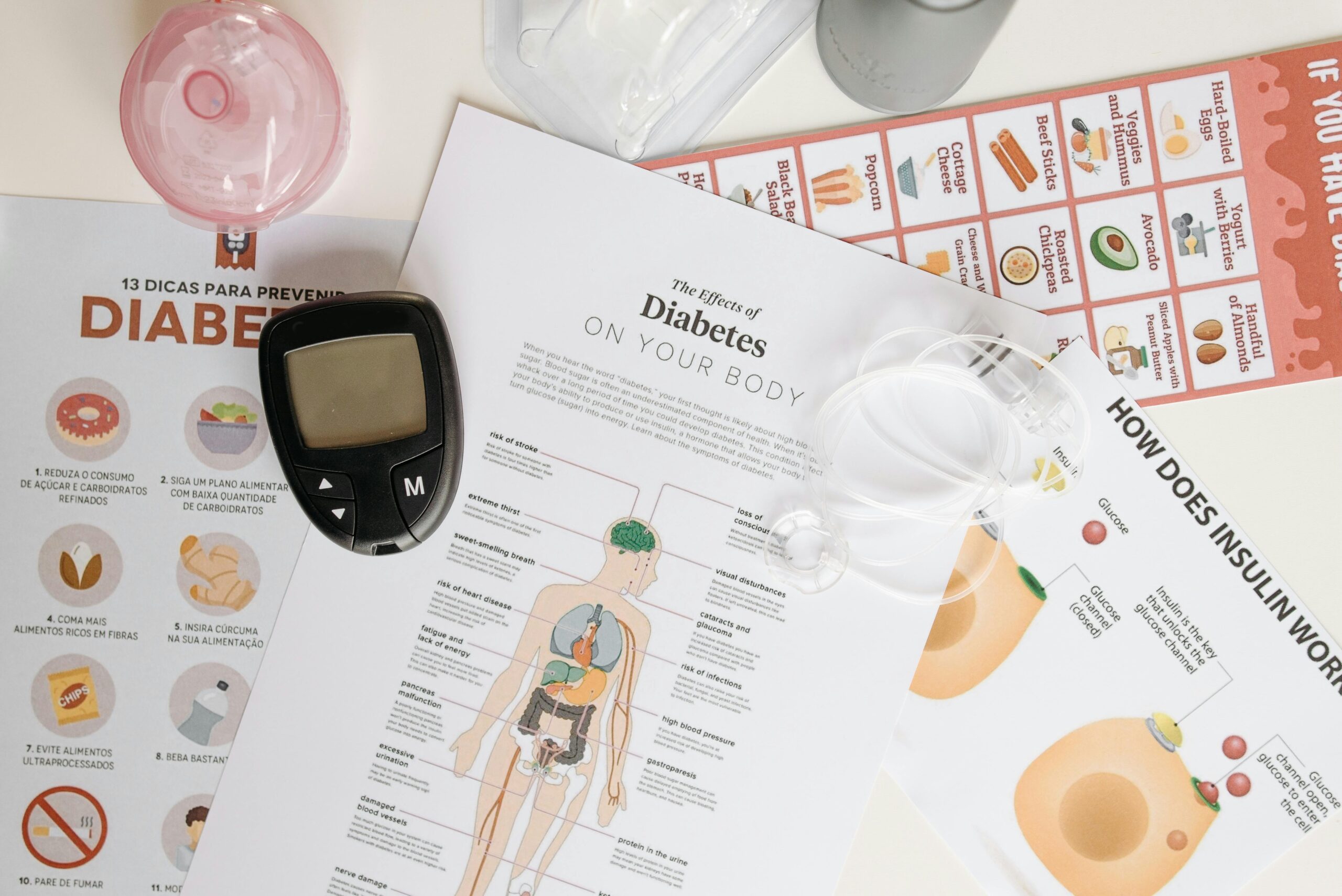
Understanding your blood sugar patterns is more than tracking single readings—it’s about recognizing the full picture of how glucose moves throughout your day.

🔍 What Makes Glucose Variability So Important?
Glucose variability refers to the fluctuations in blood sugar levels over time, rather than just looking at average values or single point measurements. While traditional diabetes management has focused primarily on hemoglobin A1C and fasting glucose levels, researchers now recognize that the swings and patterns in glucose throughout the day may be just as important—if not more so—for long-term health outcomes.
Think of it this way: two people could have the same average glucose reading, but one experiences wild swings from very low to very high, while the other maintains steady levels. The person with stable glucose is likely experiencing better metabolic health, reduced inflammation, and lower risk of complications, even though their “average” looks identical on paper.
Recent studies have connected high glucose variability to increased cardiovascular risk, cognitive decline, and accelerated aging processes. The constant roller coaster of blood sugar spikes and crashes places oxidative stress on cells, damages blood vessels, and can lead to energy crashes, mood swings, and increased hunger throughout the day.
📊 Essential Metrics That Reveal Your Glucose Story
To truly understand glucose variability, you need to become familiar with several key metrics that continuous glucose monitors (CGMs) and modern diabetes management tools provide. Each metric tells a different part of your metabolic story.
Time in Range: Your Most Actionable Metric
Time in Range (TIR) represents the percentage of time your glucose levels stay within a target range, typically 70-180 mg/dL for most adults. This metric has become the gold standard for assessing glucose control because it captures both highs and lows in a single, easy-to-understand number.
Research suggests that achieving a TIR of 70% or higher correlates with significantly reduced risk of diabetes complications. Every 5% increase in time in range can translate to meaningful improvements in long-term health outcomes. Rather than obsessing over individual spikes, focusing on gradually improving your time in range provides a sustainable approach to glucose management.
Coefficient of Variation: Measuring Glucose Stability
The coefficient of variation (CV) expresses glucose variability as a percentage, calculated by dividing the standard deviation of glucose readings by the mean glucose level. A CV of 36% or lower indicates stable glucose control, while higher percentages suggest more variability that may need attention.
This metric is particularly valuable because it accounts for the relationship between average glucose levels and fluctuations. Someone with higher average glucose naturally experiences larger absolute swings, so the CV provides context that raw standard deviation cannot.
Standard Deviation: Understanding Your Glucose Range
Standard deviation measures how spread out your glucose readings are from your average. Lower standard deviation indicates more consistent glucose levels, while higher values reveal greater fluctuations. Most experts recommend aiming for a standard deviation below 50 mg/dL for optimal stability.
When you review your glucose data, look at standard deviation alongside your average glucose. This combination reveals whether you’re maintaining steady levels or experiencing significant swings that might not be apparent from average values alone.
🎯 Interpreting Your Glucose Patterns for Better Health
Raw metrics mean little without understanding how to interpret them in the context of your daily life. Your glucose patterns tell stories about your diet, sleep, stress, exercise, and overall metabolic health.
Morning Patterns and the Dawn Phenomenon
Many people notice their glucose rises in the early morning hours, even before eating. This “dawn phenomenon” results from hormonal changes that prepare your body to wake up, including cortisol and growth hormone release. While some morning elevation is normal, excessive spikes may indicate insulin resistance or inadequate overnight glucose control.
Pay attention to your glucose levels between 3 AM and 8 AM. If you consistently see rises of more than 20-30 mg/dL during this window, consider discussing timing of medications, evening meal composition, or stress management strategies with your healthcare provider.
Post-Meal Glucose Responses
Understanding how different foods affect your glucose helps you make informed dietary choices. Rather than following generic advice, continuous glucose monitoring reveals your personal responses to specific meals, portion sizes, and food combinations.
Generally, glucose should peak within 1-2 hours after eating and return close to baseline within 3-4 hours. Peaks above 180 mg/dL or glucose that remains elevated for extended periods suggest that meal composition, timing, or portion size may need adjustment. However, individual responses vary significantly—some people handle rice better than bread, while others show the opposite pattern.
Exercise Effects on Glucose Stability
Physical activity profoundly impacts glucose variability, but the effects differ based on exercise type, intensity, and timing. Aerobic exercise typically lowers glucose during and for hours afterward, while high-intensity or resistance training may cause temporary glucose elevation due to stress hormone release.
Track how different workouts affect your glucose patterns. Morning walks might stabilize your entire day, while evening exercise could improve overnight glucose control. Some people benefit from light activity after meals to blunt glucose spikes, while others find pre-meal exercise more effective.
🍽️ Practical Strategies to Reduce Glucose Variability
Understanding metrics is only valuable when paired with actionable strategies to improve them. These evidence-based approaches can help smooth out glucose swings and enhance metabolic health.
Meal Composition and Sequencing
The order in which you eat food components significantly impacts glucose response. Studies show that consuming vegetables and protein before carbohydrates in the same meal can reduce post-meal glucose spikes by 30-40% compared to eating carbohydrates first.
Start meals with non-starchy vegetables, then protein and healthy fats, and finish with any starches or sweets. This simple sequencing strategy works by slowing gastric emptying and carbohydrate absorption. The fiber and nutrients consumed first create a protective barrier in your digestive tract that moderates glucose entry into your bloodstream.
Strategic Movement and Activity Timing
Even brief movement can dramatically affect glucose responses. A 10-15 minute walk after meals can reduce post-meal glucose spikes by 20-30%. The muscle contractions during activity pull glucose from your bloodstream independent of insulin, providing an immediate blood sugar-lowering effect.
You don’t need intense exercise—light activities like washing dishes, gardening, or casual walking provide benefits. The key is timing: moving within 30 minutes after eating yields the most significant glucose improvements. Make post-meal movement a non-negotiable habit, just like brushing your teeth.
Sleep Quality and Glucose Control
Poor sleep directly increases glucose variability and insulin resistance. Even a single night of inadequate sleep can impair glucose metabolism the following day, while chronic sleep deprivation significantly elevates diabetes risk and worsens glucose control in those already diagnosed.
Prioritize consistent sleep schedules, aiming for 7-9 hours of quality sleep nightly. Create a dark, cool sleeping environment, limit blue light exposure in the evening, and consider tracking how sleep quality affects your next-day glucose patterns. Many people notice that poor sleep leads to increased cravings, higher fasting glucose, and more pronounced post-meal spikes.
📱 Technology Tools for Tracking Glucose Metrics
Modern technology has democratized access to detailed glucose data that was once available only in research settings. Continuous glucose monitors paired with smartphone apps provide unprecedented insights into your metabolic health.
Several apps help interpret CGM data, calculate variability metrics, and identify patterns in your glucose responses. These tools transform raw data streams into actionable insights, highlighting which meals, activities, or habits most impact your glucose stability. Look for apps that calculate time in range, coefficient of variation, and provide clear visualizations of daily patterns.
For those using traditional blood glucose meters, apps that log readings alongside food, activity, and other factors can still reveal valuable patterns. While not as detailed as CGM data, consistent finger-stick monitoring at strategic times—fasting, pre-meal, and 2 hours post-meal—provides enough information to guide meaningful improvements.
🧬 Individual Variability: Why Your Glucose Response is Unique
One of the most important discoveries in glucose research is the extent of individual variability. Studies have shown that people can have dramatically different glucose responses to identical foods, sometimes varying by a factor of five or more.
Your unique glucose responses result from genetics, gut microbiome composition, insulin sensitivity, circadian rhythms, stress levels, sleep quality, and numerous other factors. This explains why generic dietary advice often fails—what works brilliantly for one person may be ineffective or counterproductive for another.
Embrace personalized experimentation rather than rigid rules. Test how specific foods affect your glucose, try different meal timings, experiment with food sequencing, and adjust based on your data. The goal isn’t perfection but gradual improvement and discovery of what works for your unique physiology.
⚠️ When Glucose Variability Signals Concern
While some glucose fluctuation is normal and healthy, certain patterns warrant professional evaluation. Recognize when variability crosses from normal into potentially problematic territory.
Frequent hypoglycemia (glucose below 70 mg/dL), especially if you’re not taking diabetes medications, requires immediate medical attention. Unexplained lows can indicate hormonal imbalances, adrenal issues, or other medical conditions needing diagnosis and treatment.
Consistently high glucose variability despite lifestyle modifications may indicate insulin resistance, prediabetes, or diabetes requiring medical management. If your coefficient of variation remains above 36% or your time in range stays below 70% despite dietary changes, exercise, and sleep improvements, consult with a healthcare provider about additional interventions.
Sudden changes in glucose patterns—new morning spikes, different food responses, or increased variability without lifestyle changes—can signal medication needs adjustment, illness, or hormonal shifts. Don’t ignore significant pattern changes; they provide valuable diagnostic information.
🌟 Building Your Personalized Glucose Optimization Plan
Armed with understanding of glucose metrics and how various factors influence them, you can create a sustainable approach to optimizing your metabolic health. Success comes from consistent small improvements rather than dramatic overhauls.
Start by establishing your baseline. Track glucose patterns for 1-2 weeks without making changes, simply observing how your current lifestyle affects your metrics. Calculate or note your time in range, average glucose, standard deviation, and coefficient of variation. Identify your biggest challenges—morning spikes, post-meal peaks, overnight variability, or overall instability.
Implement one change at a time, allowing 1-2 weeks to assess its impact before adding another modification. This systematic approach reveals what actually moves your metrics versus what makes no difference for your unique physiology. Common starting points include food sequencing at meals, post-dinner walks, earlier dinner timing, or improved sleep habits.
Track both quantitative metrics and qualitative experiences. Note energy levels, mood, hunger, cravings, sleep quality, and mental clarity alongside glucose data. Optimal glucose control should correlate with feeling better, not just better numbers. If aggressive glucose management leaves you feeling restricted, anxious, or deprived, adjust your approach toward sustainability.
💡 The Bigger Picture: Glucose Stability and Longevity
Optimizing glucose variability extends beyond diabetes prevention or management—it’s a fundamental aspect of healthy aging and disease prevention. Stable glucose supports cognitive function, cardiovascular health, healthy weight maintenance, sustained energy, and reduced inflammation.
Research increasingly links glucose variability to conditions seemingly unrelated to diabetes, including Alzheimer’s disease, certain cancers, mood disorders, and accelerated aging. By managing glucose swings now, you’re investing in long-term health across multiple organ systems.
View glucose optimization as a tool for enhancing your healthspan—the years you live in good health—not just lifespan. The strategies that improve glucose variability—nutritious whole foods, regular movement, quality sleep, stress management—simultaneously benefit nearly every aspect of health. Your glucose metrics provide objective feedback on how well you’re supporting your body’s fundamental needs.
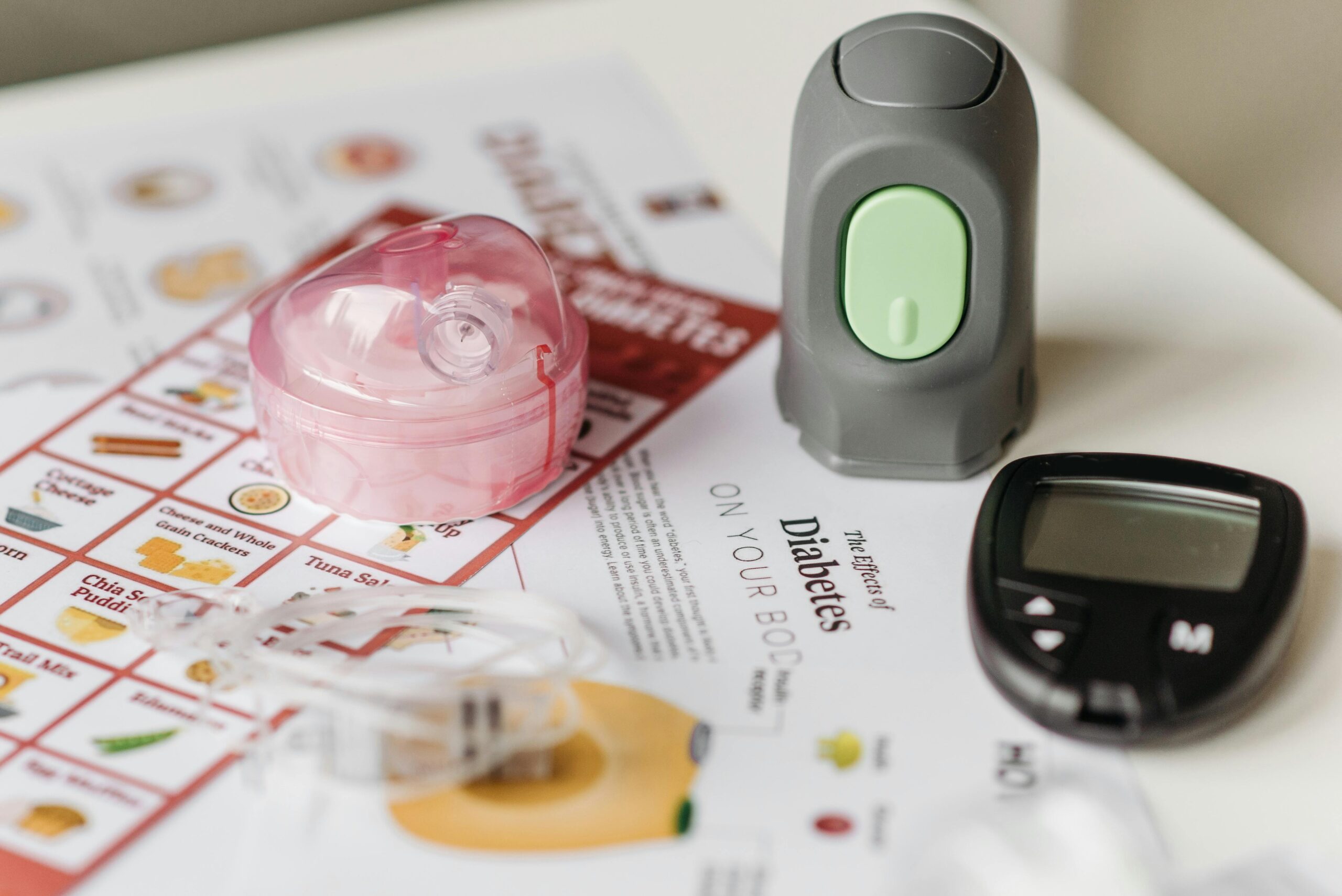
🚀 Moving Forward with Glucose Awareness
Understanding glucose variability metrics empowers you to make informed decisions about diet, lifestyle, and health management. Rather than feeling overwhelmed by numbers, view them as a personalized feedback system revealing how your daily choices impact your metabolic health.
Start where you are, with whatever monitoring tools you have access to. Even basic tracking provides valuable insights. Celebrate improvements in your metrics as evidence of positive changes, and view setbacks as learning opportunities rather than failures. Glucose optimization is a journey of discovery, not a destination of perfection.
Share your glucose insights with healthcare providers to enable more nuanced, personalized care. The detailed patterns you observe provide diagnostic value far beyond what quarterly lab tests can reveal. You become an active partner in your health management rather than a passive recipient of generic advice.
As glucose monitoring technology continues advancing and becoming more accessible, we’re entering an era of truly personalized nutrition and health optimization. By understanding the metrics that matter and how to interpret them, you’re positioned to take full advantage of these tools for optimal metabolic health, sustained energy, and long-term wellbeing.