
Managing blood sugar isn’t just about cutting carbs—it’s about understanding how fiber, protein, and fat work together to create stable glucose levels throughout your day.

🔬 The Glucose Response: More Than Just Sugar
When we think about blood sugar management, our minds typically jump straight to carbohydrates. While carbs do play the starring role in glucose elevation, the supporting cast of fiber, protein, and fat significantly influences how that glucose story unfolds in your bloodstream.
Every time you eat, your body initiates a complex metabolic dance. Carbohydrates break down into glucose, entering your bloodstream and triggering insulin release. However, the speed and intensity of this response depends heavily on what else is on your plate. This is where the balancing act becomes crucial for anyone concerned about metabolic health, diabetes management, or simply maintaining steady energy levels.
The modern understanding of glycemic control has evolved far beyond simple carbohydrate counting. Research now demonstrates that the macronutrient composition of your entire meal—not just the carb content—determines your postprandial glucose curve. This knowledge empowers us to make smarter food combinations rather than restrictive dietary choices.
Fiber: The Unsung Hero of Blood Sugar Stability 🌾
Dietary fiber deserves recognition as one of the most powerful tools for glucose management, yet it remains underconsumed in most Western diets. The average American consumes only 15 grams of fiber daily, falling short of the recommended 25-35 grams.
Soluble vs. Insoluble Fiber: Different Jobs, Same Goal
Fiber comes in two primary forms, each contributing uniquely to glucose control. Soluble fiber dissolves in water, forming a gel-like substance in your digestive tract. This viscous material slows gastric emptying and creates a physical barrier that delays glucose absorption. Foods rich in soluble fiber include oats, beans, apples, and psyllium husk.
Insoluble fiber doesn’t dissolve in water but adds bulk to your digestive system, promoting healthy transit time and supporting gut microbiome diversity. While its glucose-lowering effects are less direct than soluble fiber, the metabolic benefits from improved gut health contribute significantly to overall glycemic control.
The Glycemic Buffer Effect
When you consume fiber alongside carbohydrates, several beneficial mechanisms activate simultaneously. The physical barrier slows carbohydrate digestion, leading to a gradual glucose release rather than a sharp spike. This moderated response reduces the insulin demand on your pancreas, potentially lowering your risk of insulin resistance over time.
Studies have shown that adding just 10 grams of fiber to a high-carbohydrate meal can reduce the postprandial glucose peak by 15-20%. For someone with prediabetes or type 2 diabetes, this difference can mean staying within target ranges versus experiencing problematic hyperglycemia.
Protein: The Metabolic Multitasker 💪
Protein’s relationship with glucose is fascinatingly complex. Unlike carbohydrates, protein doesn’t directly convert to glucose in significant amounts during digestion. However, it profoundly influences your glucose response through multiple pathways.
Slowing Digestion and Enhancing Satiety
Protein takes longer to digest than carbohydrates, naturally slowing the overall digestive process. When you include adequate protein in a meal containing carbs, you effectively extend the time it takes for those carbs to break down and enter your bloodstream. This extended timeline translates to a lower, more sustained glucose curve.
Additionally, protein stimulates the release of incretin hormones like GLP-1, which enhance insulin secretion in a glucose-dependent manner. This means your body becomes more efficient at clearing glucose from your blood when it’s actually elevated, without risking dangerous low blood sugar episodes.
The Protein Paradox: Quality and Quantity Matter
While protein generally stabilizes blood sugar, extremely high protein intake can trigger gluconeogenesis—the process where your liver converts amino acids into glucose. For most people eating moderate amounts (20-30 grams per meal), this isn’t a concern. However, those following very high-protein diets should monitor their glucose response individually.
The source of protein also matters. Lean proteins like chicken, fish, and plant-based options come without the saturated fat load that might impair insulin sensitivity over time. Greek yogurt, cottage cheese, legumes, and tofu offer excellent protein with additional metabolic benefits from probiotics or fiber.
Fat: The Delayed Impact on Glucose Control 🥑
Fat’s influence on blood sugar is perhaps the most misunderstood aspect of the glucose balancing act. Unlike fiber and protein, dietary fat doesn’t directly lower glucose spikes in the immediate postprandial period. In fact, it might have the opposite short-term effect.
Understanding Fat’s Timeline
When you consume fat with carbohydrates, gastric emptying slows dramatically. This delayed emptying can reduce the initial glucose spike, which sounds beneficial. However, fat also promotes insulin resistance at the cellular level for several hours after consumption. This temporary insulin resistance means glucose might remain elevated longer, even if the initial peak is lower.
This phenomenon is particularly important for people with diabetes who use insulin. A high-fat meal might require a different insulin dosing strategy, with more insulin needed over an extended period rather than all upfront.
The Type of Fat Makes the Difference
Not all fats affect glucose metabolism equally. Monounsaturated fats from sources like olive oil, avocados, and nuts appear to support insulin sensitivity when consumed regularly as part of a balanced diet. These fats contribute to improved cellular membrane function, potentially enhancing insulin receptor activity.
Conversely, diets high in saturated fats have been associated with increased insulin resistance and impaired glucose tolerance. Trans fats, now largely removed from the food supply, were particularly problematic for metabolic health. Omega-3 fatty acids from fatty fish offer anti-inflammatory benefits that may indirectly support better glucose control.
Creating the Perfect Plate: Practical Applications 🍽️
Understanding the individual roles of fiber, protein, and fat is valuable, but the real magic happens when you combine them strategically. The ideal glucose-friendly meal includes balanced proportions of all three macronutrients alongside quality carbohydrates.
The Plate Method for Glucose Balance
A simple visual approach helps ensure proper macronutrient balance. Fill half your plate with non-starchy vegetables (providing fiber and nutrients), one quarter with lean protein, and one quarter with complex carbohydrates. Add a small serving of healthy fat, such as a drizzle of olive oil or a few avocado slices.
This distribution naturally creates the macronutrient synergy that moderates glucose response. The fiber from vegetables, protein from your main dish, and fat from your cooking oil or nuts work together to slow digestion and promote steady glucose levels.
Strategic Meal Sequencing
Recent research suggests that the order in which you eat your food components may influence glucose response. Starting your meal with vegetables and protein, then ending with carbohydrates, has been shown to reduce postprandial glucose spikes by up to 30% compared to eating the same foods in reverse order.
This “food sequencing” strategy works because the fiber and protein create a foundation in your stomach that slows the subsequent carbohydrate absorption. While more research is needed, this simple adjustment requires no special foods or supplements—just a different eating pattern.
Real-World Examples: Building Better Meals 🌟
Theory becomes powerful when applied practically. Let’s examine how to transform common meals into glucose-friendly options through better macronutrient balance.
Breakfast Transformations
A typical breakfast of toast with jam creates a rapid glucose spike due to refined carbs and sugar with minimal fiber, protein, or fat. Transform this by switching to whole grain toast (more fiber) topped with almond butter (protein and healthy fat) and berries (fiber and antioxidants). This combination dramatically flattens your glucose curve while providing sustained energy.
Similarly, a bowl of sweetened cereal with low-fat milk spikes blood sugar quickly. Replace it with steel-cut oats (soluble fiber) cooked with cinnamon, topped with Greek yogurt (protein), nuts (fat and protein), and chia seeds (fiber and omega-3s). This breakfast delivers balanced macronutrients that support steady glucose levels for hours.
Lunch and Dinner Strategies
A pasta-heavy meal becomes more glucose-friendly when you reduce the pasta portion by half, add plenty of non-starchy vegetables, include grilled chicken or legumes, and finish with olive oil and parmesan. The same applies to rice-based dishes—balance the rice with vegetables, protein, and healthy fats.
Even pizza can be optimized by choosing thin crust (less refined carbs), loading up on vegetable toppings (fiber), adding a protein source like grilled chicken, and pairing it with a large side salad dressed with olive oil (fiber and fat). These modifications maintain enjoyment while supporting metabolic health.
Monitoring Your Personal Response 📊
Individual glucose responses vary significantly based on genetics, gut microbiome composition, physical activity levels, stress, and sleep quality. What works perfectly for one person might produce different results for another.
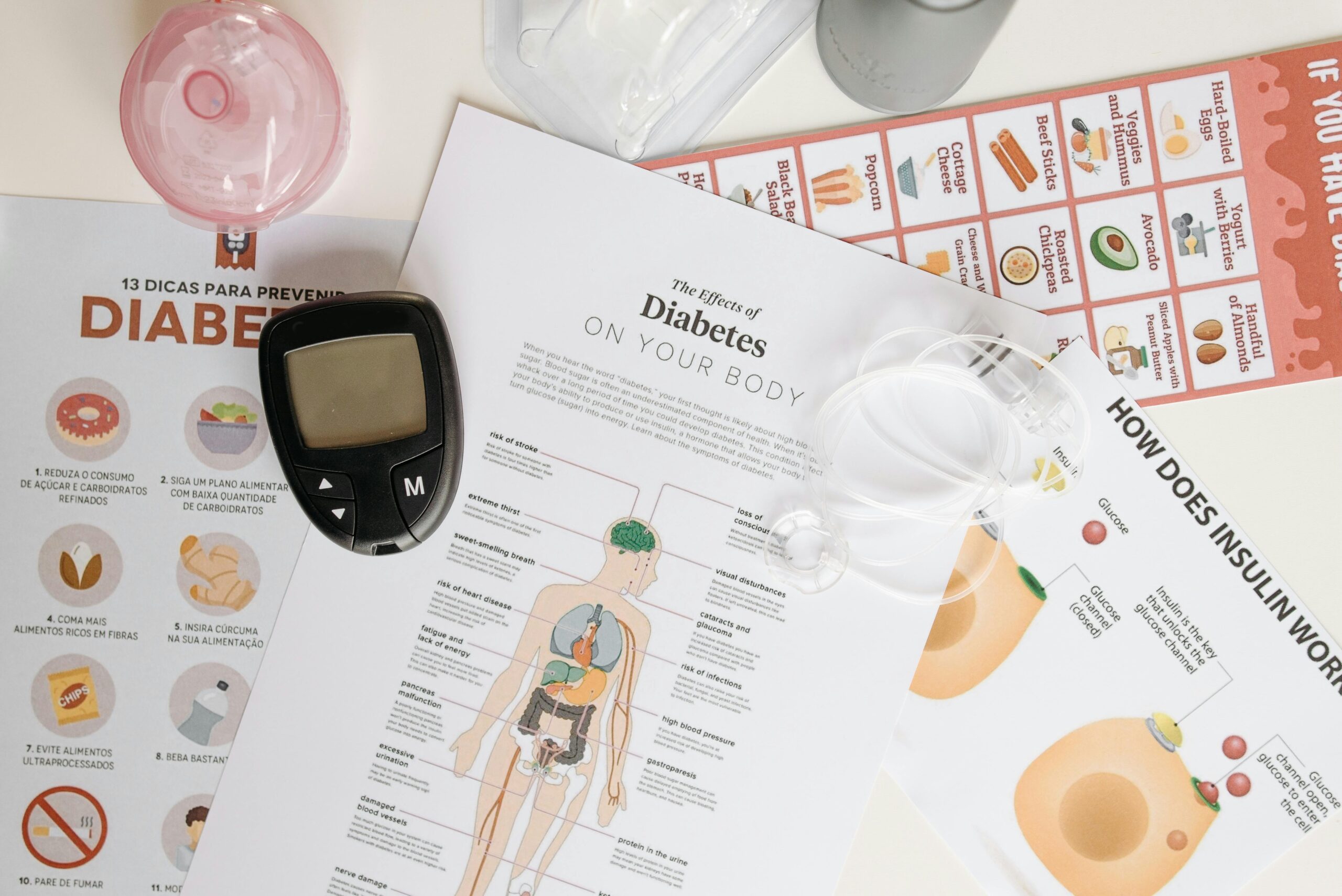
Continuous glucose monitors (CGMs) have revolutionized personal glucose tracking, making it possible to see real-time responses to different foods and meal combinations. While traditionally reserved for people with diabetes, CGMs are increasingly accessible to anyone interested in optimizing their metabolic health.
Several apps now integrate with CGMs or allow manual glucose logging, helping you identify patterns and make data-driven dietary decisions. By tracking your glucose response to various fiber, protein, and fat combinations, you can personalize your approach for optimal results.
Common Mistakes to Avoid ⚠️
Even with good intentions, certain approaches can undermine your glucose management efforts. Being aware of these pitfalls helps you navigate your nutritional journey more effectively.
Over-Restricting Carbohydrates
While reducing refined carbs benefits most people, excessively restrictive low-carb diets may not be necessary or sustainable for everyone. Quality carbohydrates from whole grains, legumes, and fruits provide essential nutrients and fiber that support overall health. The goal is balance, not elimination.
Ignoring Portion Sizes
Even glucose-friendly foods consumed in excessive quantities can cause problems. A massive serving of nuts provides healthy fats and protein, but the calorie density might contribute to weight gain, which negatively impacts insulin sensitivity. Similarly, too much protein at once might trigger unwanted gluconeogenesis in susceptible individuals.
Neglecting Meal Timing
The spacing between meals affects glucose control. Constant snacking keeps insulin levels perpetually elevated, potentially promoting insulin resistance. Most people benefit from defined meals with 4-5 hour gaps, allowing insulin levels to decrease between eating occasions.
Beyond the Plate: Supporting Factors 🏃♀️
While this article focuses on macronutrients, glucose control extends beyond food choices. Physical activity, particularly after meals, dramatically improves glucose uptake by muscles. Even a 10-minute walk after eating can reduce postprandial glucose spikes significantly.
Sleep quality profoundly impacts insulin sensitivity. Poor sleep or insufficient sleep duration (less than 7 hours) impairs glucose metabolism and increases cravings for refined carbohydrates. Stress management is equally important, as chronic stress elevates cortisol, which raises blood sugar and promotes abdominal fat storage.
Hydration also plays a role. Adequate water intake helps kidneys flush excess glucose and supports optimal metabolic function. Some people find that drinking water before meals slightly reduces food intake and moderates glucose response.
Your Personal Balancing Act: Finding What Works 🎯
The interplay between fiber, protein, and fat creates a powerful framework for glucose management, but the specifics must be tailored to your individual needs, preferences, and health status. Start by making small, sustainable changes rather than overhauling your entire diet overnight.
Begin with one meal per day, focusing on adding fiber through vegetables, including adequate protein, and choosing quality fats. Observe how you feel—energy levels, hunger patterns, and overall well-being often improve before glucose numbers change measurably.
If you have diabetes or prediabetes, work with your healthcare provider to monitor your progress and adjust medications as needed. The goal is supporting your health through informed food choices, not replacing medical treatment.
Remember that perfection isn’t the goal. Consistency in making generally good choices, combined with flexibility for life’s special occasions, creates a sustainable approach that supports both metabolic health and quality of life. Your balancing act is uniquely yours—understanding the principles of fiber, protein, and fat gives you the tools to perform it successfully.